Space stocks are a graveyard of hype. Virgin Galactic went from $55 to zero. Astra imploded. SPAC after SPAC promised the moon and delivered a crater.
So when I say Rocket Lab (RKLB) is different, I get the skepticism. But here's the thing — Rocket Lab actually has a real business. A profitable, growing, multi-revenue-stream business that's quietly become the second most frequently launched US rocket. And the market is still pricing it like a lottery ticket.
87 Launches. Zero Failures. Real Revenue.
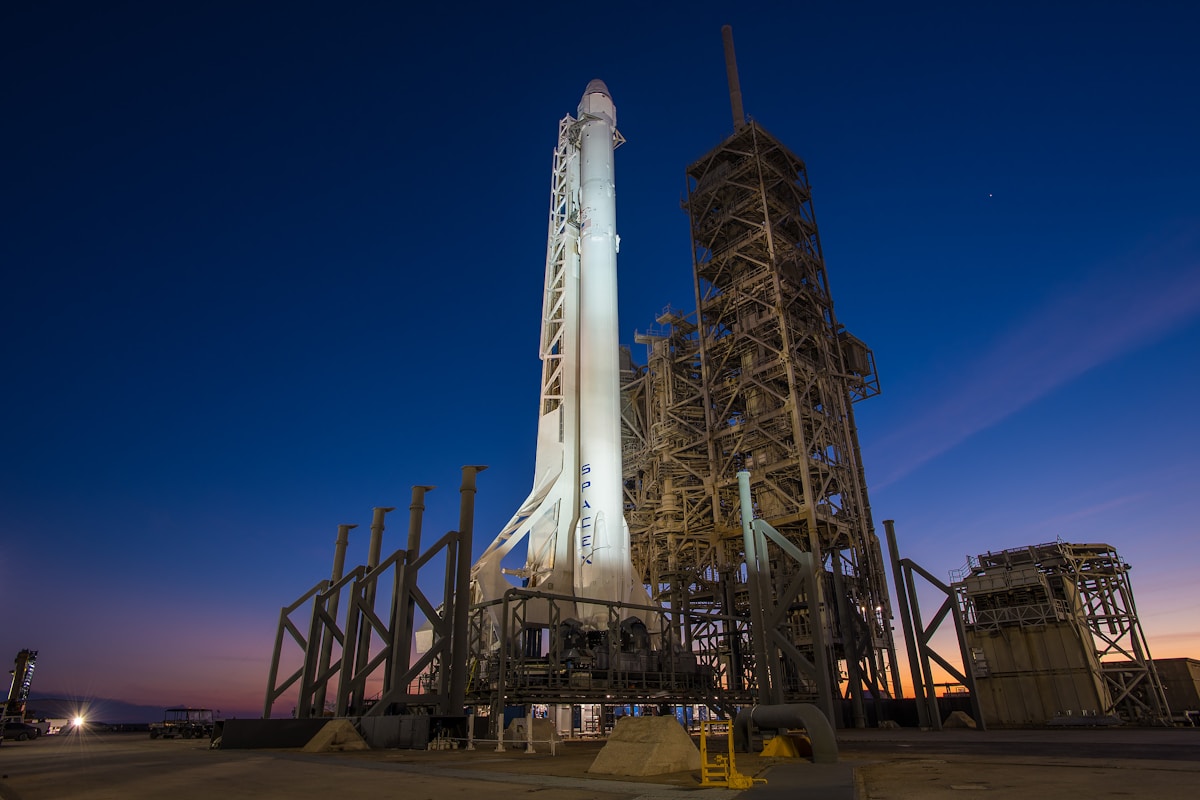
Rocket Lab's Electron rocket has flown 87 times and deployed 250+ satellites. That's not a startup experimenting — that's a launch company with a proven track record that rivals everyone except SpaceX.
But here's what most investors miss: Rocket Lab isn't just a launch company anymore. They've transformed into an end-to-end space systems company. They build satellites. They make solar panels. They manufacture spacecraft components. They even build the radio systems that keep satellites talking to Earth.
This diversification matters because launch revenue is lumpy. Space systems revenue is sticky. A government contract to build a satellite bus is worth millions and takes years to fulfill — exactly the kind of backlog that makes investors sleep well at night.
The Numbers That Matter
At roughly $20 billion market cap, Rocket Lab trades at a fraction of what SpaceX will command at IPO. But the addressable market for small launch + satellite manufacturing is growing 15-20% annually, and Rocket Lab has captured a leadership position that competitors won't easily replicate.
Neutron: The Game Changer
The real catalyst that the market isn't fully pricing in is Neutron — Rocket Lab's medium-lift reusable rocket. Targeting 13 tonnes to LEO with a reusable first stage, Neutron directly competes with Falcon 9 for the constellation deployment and government launch market.
With NASA and the DoD actively seeking a second reliable launch provider (SpaceX is great, but single-supplier risk is real), Neutron is perfectly positioned to capture a wave of government contracts. The Space Force's National Security Space Launch (NSSL) program alone is worth billions.
The Portfolio Takeaway: Real Space, Real Asymmetry
Most space companies are stories. Rocket Lab is a business. They have a proven rocket, a growing space systems division, a massive backlog, and a next-generation vehicle that could 2-3x their addressable market.
Yes, it's volatile. Yes, space is hard. But Rocket Lab has done something that only one other company in history has done — become a reliable, recurring launch provider with a diversified revenue stream and a clear path to capturing the next wave of space infrastructure spending.
Rocket Lab at $20B is the kind of asymmetrical bet that the best portfolios are built on. If Neutron succeeds, this is a $60-80B company. If it merely executes, it's a $30-40B company. The downside is priced in. The upside is enormous.
Disclosure: The Signal's parent company does not hold a position in RKLB. This is not investment advice.