SpaceX is preparing what could be the largest IPO in U.S. history — a $250B to $400B valuation debut in the second half of 2026. For investors who've watched Elon Musk's company dominate launches, build a million-subscriber satellite network, and operationalize Starship, the question isn't whether to buy — it's how and when.
>Starlink: The Cash Engine
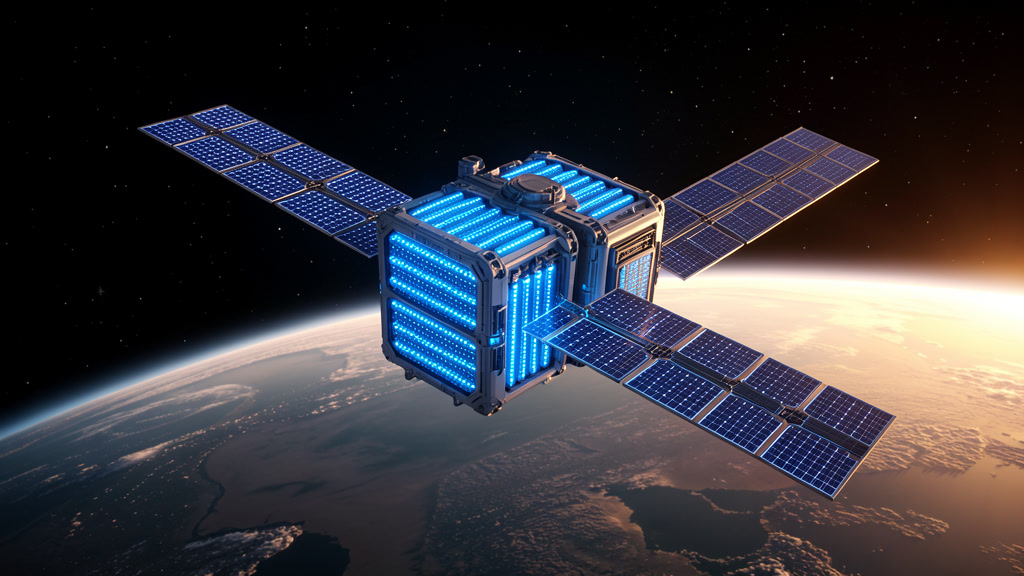
The single most important factor in the SpaceX IPO is Starlink. With over 5 million subscribers and projected $10B+ in 2026 revenue, Starlink transforms SpaceX from a capital-intensive rocket company into a telecom infrastructure giant with recurring revenue and 60-80% gross margins.
"Starlink is the reason SpaceX can go public at a $300B+ valuation," says Morgan Stanley analyst Kristine Liwag. "Without it, SpaceX is a high-risk launch company. With it, they're a telecom monopoly on next-generation connectivity."
Revenue breakdown: ~$6B from residential subscribers (4.2M at $120/mo), ~$3B+ from business and maritime, and growing government contracts with the DoD and NATO worth $500M+ annually. The Starlink direct-to-cell service with T-Mobile adds another billion-dollar TAM in 2026.
- Residential: ~4.2M subs, ~$6B annualized
- Enterprise/Maritime: ~800K subs, ~$3B+ annualized
- Government: DoD + NATO contracts worth $500M+/year
Starship: Finally Operational
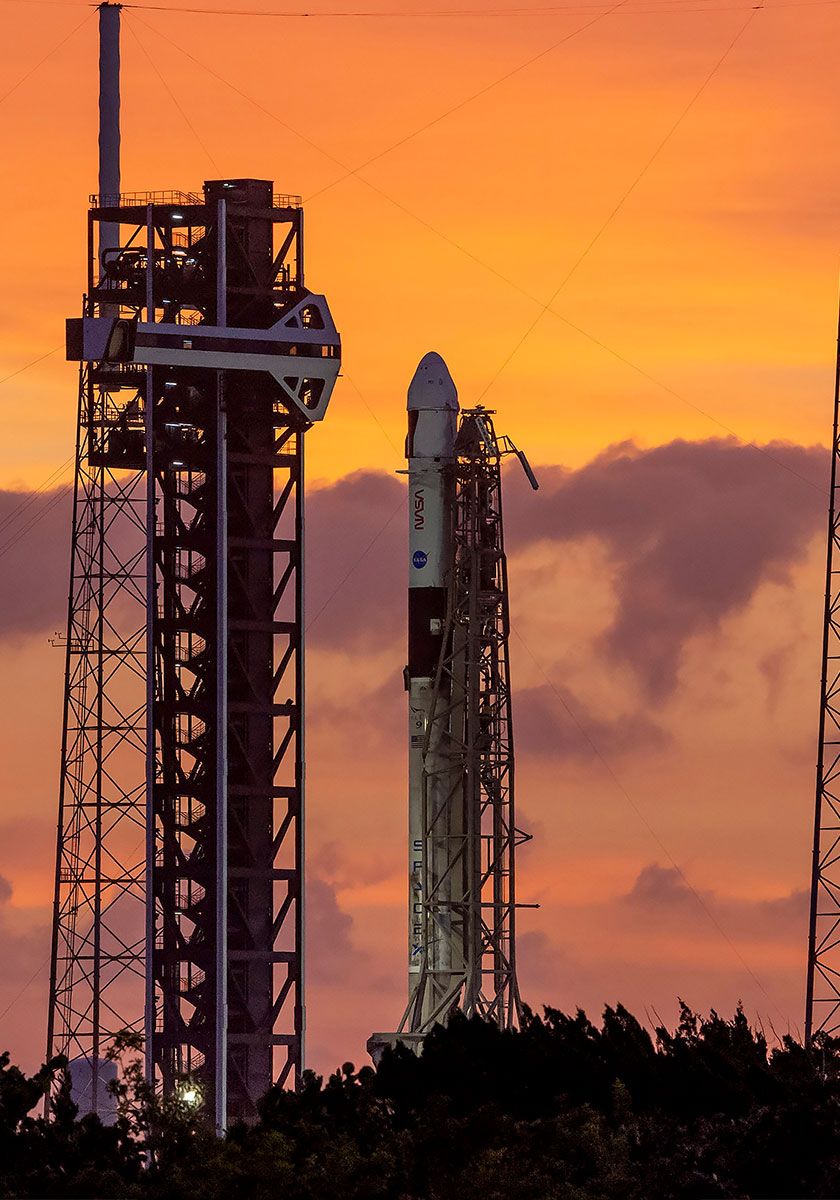
Starship achieved its first fully successful orbital mission in early 2026 and is now in commercial service at two flights per month, targeting weekly launches by year-end. Its fully reusable design targets $100/kg to LEO — compared to $1,500/kg for Falcon 9 and $10,000+/kg for competitors.
Starship's commercial backlog exceeds $5 billion, including NASA's Artemis III lunar mission, private space station modules from Axiom and Vast, and the first crewed orbital tourism flights at $50M-$200M per mission.
Valuation & Comparables
At $300B, SpaceX would be larger than Lockheed Martin ($130B) and Boeing ($110B) combined — roughly the size of Netflix ($285B). The bull case: value Starlink as a telecom infrastructure play (7-8x EBITDA = $200B+) plus the launch business ($80B-$100B) plus a Mars/speculative premium, and $400B is achievable.
Key public comparables: Rocket Lab (RKLB) at $18.5B market cap (~35x revenue), Redwire (RDW) at $4.2B (~11x), and Intuitive Machines (LUNR) at $7.8B (~35x). SpaceX at ~20x projected 2027 revenue of $15B+ sits in the middle — a premium for scale, a discount for maturity.
"The biggest mistake is treating SpaceX as a moonshot instead of what it is: the most important infrastructure company of the 21st century coming to market," says a portfolio manager at a top-10 asset manager. "This is buying a monopoly at a fair price."
Risks to Watch
Elon concentration risk: Musk is CEO, Chief Engineer, and majority owner. There is no succession plan the market trusts. Any personal or legal distraction impacts SpaceX disproportionately.
Starship delays: Operational today, but a major failure — especially on a crewed NASA mission — could ground the vehicle for months.
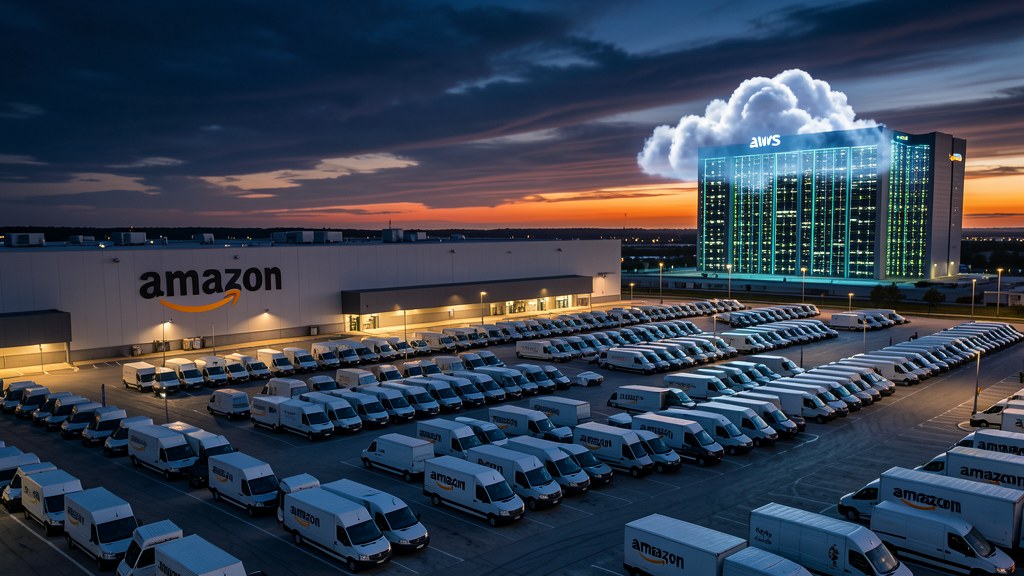
Starlink competition: Amazon's Project Kuiper and Chinese constellations like Qianfan will compress margins over time, though Starlink holds a 5-7 year technology lead.
IPO timing: A $300B+ listing requires enormous demand absorption. Market conditions could push pricing to the low end or delay the offering.
Entry Strategy: Buy or Wait?
The data is clear: most high-profile tech IPOs experience a post-IPO drawdown within 6 months. Lock-up expiration (day 180) floods the market with insider shares. RKLB dropped 85% from its SPAC peak. Even Nvidia fell 50% in its first year public.
Our view: Buy a small position at IPO to establish exposure, but keep the bulk of your allocation ready for the 3-6 month mark. The post-lockup volatility window offers the best risk/reward for building a full position.
Our Take
SpaceX combines a proven cash-generating business (Starlink) with a transformative platform (Starship) and a founder who has repeatedly defied skeptics. We rate the offering Bullish for long-term holders with a 5+ year horizon. SpaceX is not a company you trade — it's a company you own.
Disclosure: The Signal's parent company holds a pre-IPO position in SpaceX. This is not investment advice.