If you spent the past year listening to tech venture capitalists, you might think the artificial intelligence buildout was about to plug directly into a fleet of backyard nuclear reactors. Instead, the speculative end of the nuclear trade has been chopped in half or worse since spring. Yet while pre-revenue reactor startups cratered by roughly seventy percent, the one company that actually manufactures working nuclear hardware in volume dropped right along with them. That company is BWX Technologies, and the market is finally wrestling with an uncomfortable realization: it is not an AI power company at all.
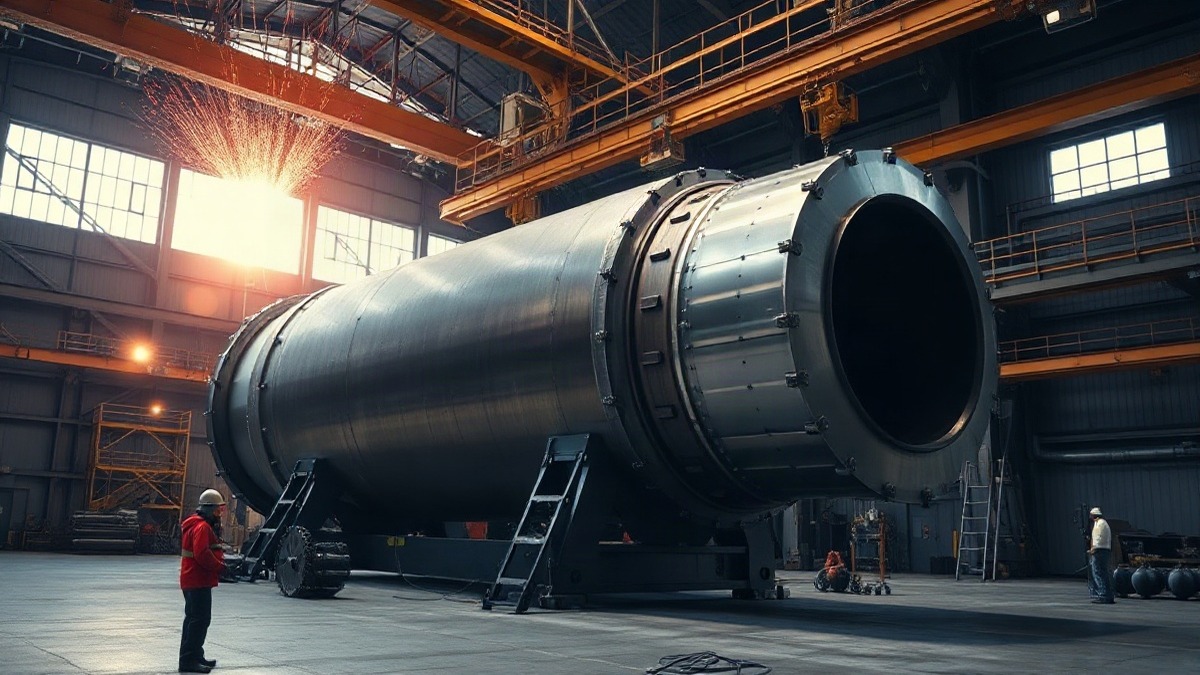
BWXT is a Lynchburg, Virginia industrial titan that designs, fuels, and manufactures the nuclear reactors powering every single submarine and aircraft carrier in the United States Navy. If General Dynamics and Huntington Ingalls build the naval hulls, BWXT is the bespoke engine builder that hands the Pentagon its classified propulsion. The company operates as a legal, sole-source monopoly for American naval reactors, having delivered more than 420 reactor cores to the Naval Nuclear Propulsion Program across six decades of incumbency. Alongside that defense franchise, it operates the only commercial heavy nuclear manufacturing facility in North America, pounding out steam generators and heat exchangers for commercial utilities.
| Price LIVE | $117.93 |
| Market Cap | ~$10.8B |
| Forward P/E | 22.6 |
| Total Revenue (TTM) | $3.60B |
| 52-Week Low | $112.55 |
| 52-Week High | $241.82 |
| Analyst Consensus | Buy (16 analysts) |
| Analyst Target Mean | $199.19 |
When Silicon Valley realized its data centers needed round-the-clock baseload electricity that solar farms and batteries could not deliver, momentum traders went hunting for nuclear ticker symbols. BWXT possessed the facilities, the regulatory licenses, and the industrial floor space that nobody else could clone, making it the default blue-chip pick for the AI energy trade. But selling reactors to the government is fundamentally different from selling electrons to Microsoft. The commercial tech world wants power purchase agreements to keep their server racks glowing tonight. BWXT does not sell electricity, does not operate commercial power plants, and holds zero contracts with any hyperscaler.
Look past the thematic hype and the paper trail tells a sobering story. Across BWXT’s entire regulatory filing history, there is not a single data-center agreement, utility offtake deal, or hyperscaler partnership. The company simply sells heavy components and fuel into other people’s speculative engineering projects. When chief executive Rex Geveden addressed investors recently, he acknowledged that commercial nuclear deals are stuck in gridlock over risk allocation—nobody wants to guarantee who eats cost overruns between tech giants, utilities, and taxpayers. In the meantime, BWXT’s much-heralded commercial fuel breakthrough amounted to an agreement with startup Antares for an initial allocation of exactly one metric ton of uranium.
That reality sets up a devastating bear case. The naval monopoly’s flagship propulsion revenue actually contracted modestly last quarter as material procurement slowed, with government segment growth carried entirely by special-materials and advanced nuclear work. An investor today is paying roughly twenty-five times full-year earnings for guided high-single-digit top-line growth, even as commercial operations decelerate to low-single-digit gains next year following the divestment of its medical isotopes arm. Furthermore, the outside reference builds that BWXT hopes to supply are already slipping into the calendar. Ontario Power Generation just acknowledged its flagship commercial small modular reactor will miss both its 2030 target and budget, which means the downstream component orders slide with it.
If fourth-quarter revenue misses roughly $1.05 billion, or if the upcoming naval contract renewals reset government-segment margins below twenty percent, BWXT loses its growth premium entirely. Revalued at eighteen times earnings—a normal defense-industrial multiple—the stock drops another twenty-eight percent without operational numbers deteriorating at all.
Yet that valuation haircut is precisely why the stock matters here. Wall Street has effectively stripped the speculative AI call option down to zero, leaving behind an entrenched defense contractor carrying a backlog of over $8.5 billion, or roughly nine quarters of guided revenue. The equity will not re-rate on Silicon Valley enthusiasm or breathless panels about modular reactors. It will re-rate on two mundane, mechanical catalysts. First, the fee structure hammered out in its next classified multiyear naval pricing agreement. Second, the ink drying on a single commercial new-build equipment order that management signaled could arrive before year-end.
What we are watching over the next two quarters is whether management can convert those commercial equipment discussions into binding purchase orders before naval budgets tighten. The AI energy boom may still need nuclear power eventually, but BWXT remains a shipyard supplier waiting on an industry that has not yet learned how to pay its own bills.
Disclosure: The Signal holds no position in BWXT. Positions may change. This is not financial advice.