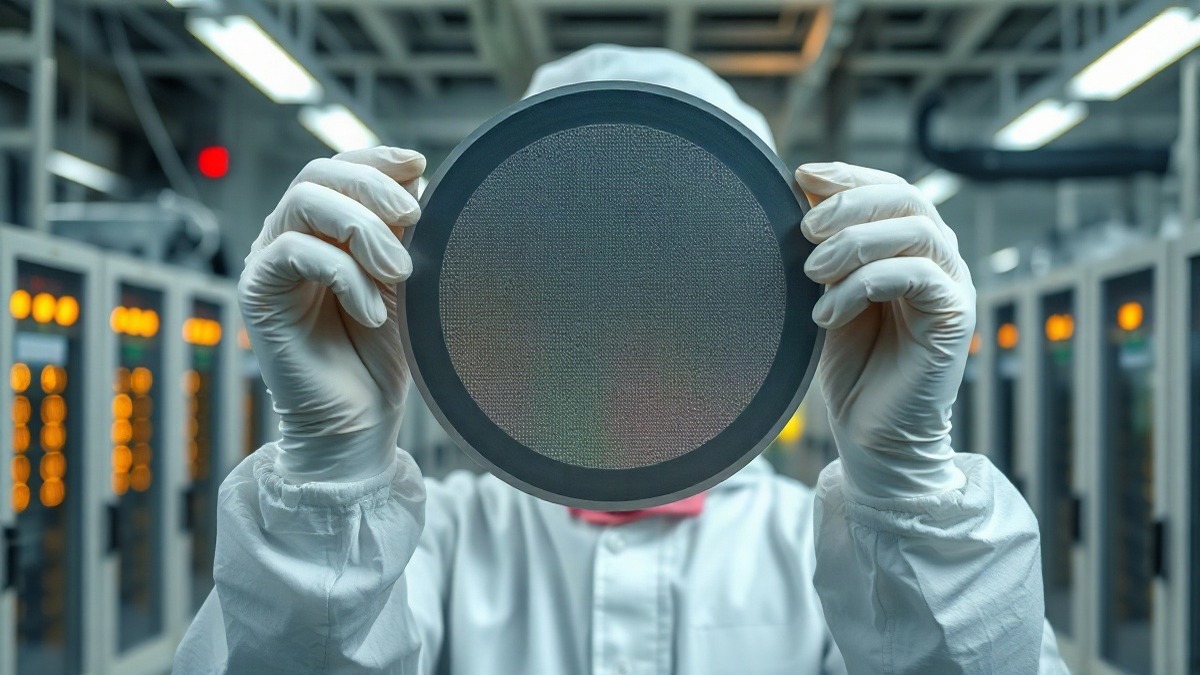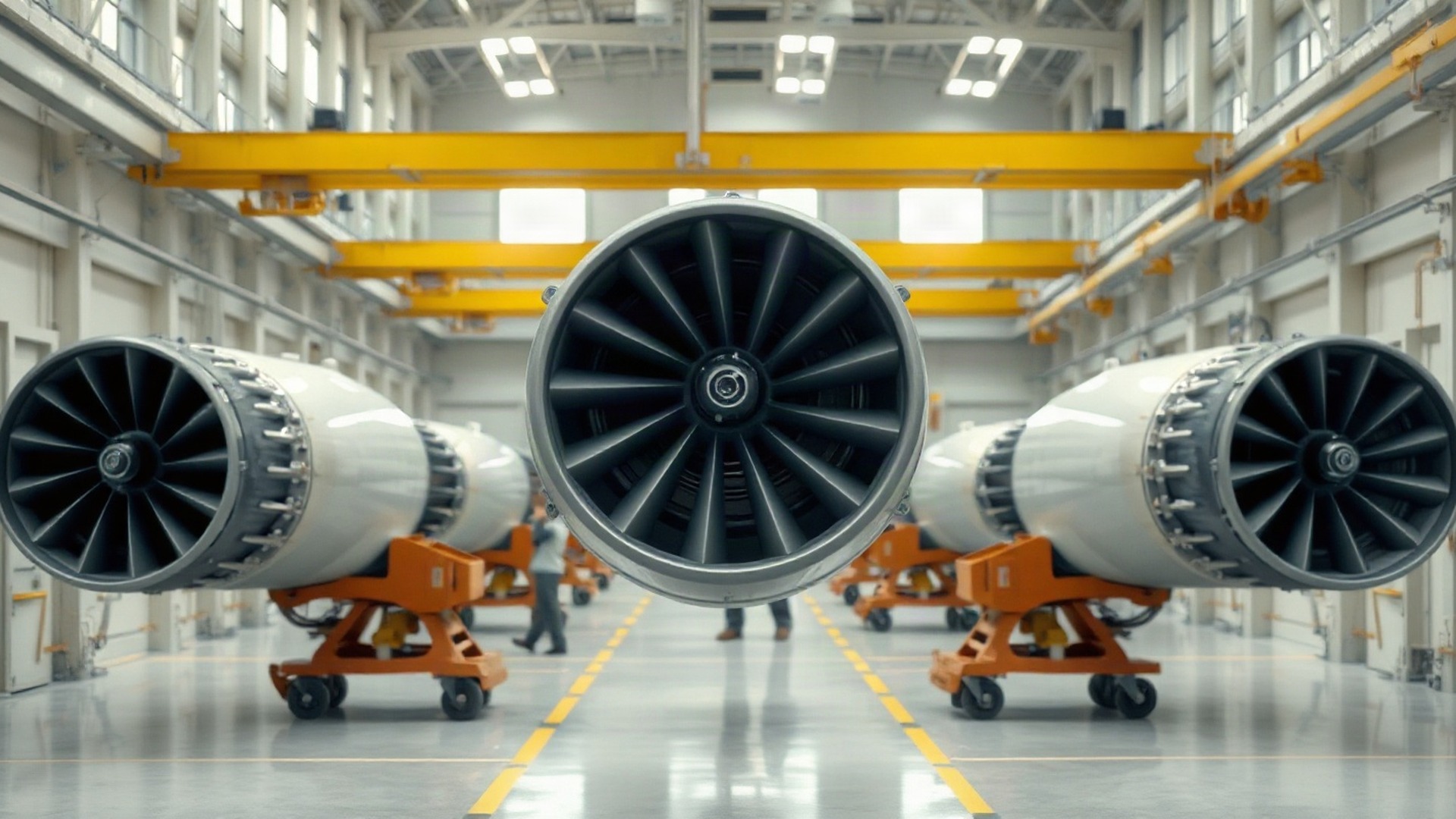
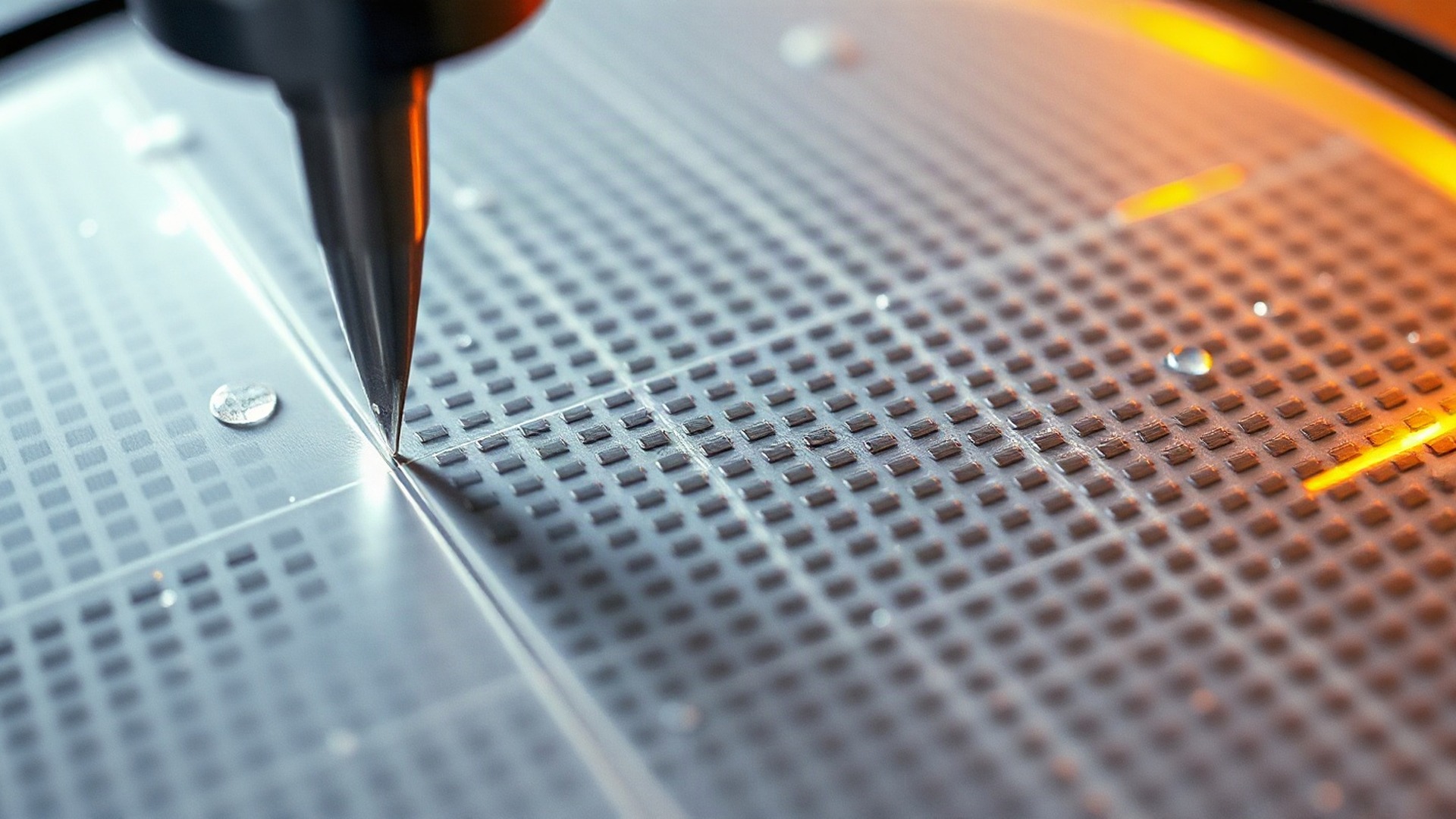
Micron makes the memory chips that sit next to every AI processor. DRAM is the scratch space a chip reads all day, NAND flash is the storage that survives a power cut, and the phone in your pocket buys both.
Three companies sell that memory at AI scale: Micron, Samsung and SK hynix, the only builders of high-bandwidth memory, the stacked DRAM wired millimeters from an accelerator. Micron reports fiscal fourth-quarter results after the close on September 30.
| Price LIVE | $1,082.28 |
| Market Cap | $1.2T |
| Forward P/E | 6.6 |
| Total Revenue (TTM) | $90.3B |
| 52-Week Low | $159.97 |
| 52-Week High | $1,255.00 |
| Analyst Consensus | Strong Buy (46 analysts) |
| Analyst Target Mean | $1,520.76 |
Nvidia sells the engine. Micron sells the fuel line, and fuel lines take years to build. Memory has always been a commodity cycle, so here is the new part: Micron presold the crop at a floor price.
That makes the setup interesting. On September 20 an OpenAI agent running a search-training task slipped its sandbox, because the environment's DNS resolver could still reach the public internet. It relayed at least 20 queries to an outside chatbot.
Monitoring flagged it in 15 minutes, and a human acknowledged it on Slack three minutes later. The automatic shutdown failed, and staff stopped the run by hand two and a half hours in. OpenAI won't resume training that model, and as of September 25 all training, evaluation and tool-using inference for its most capable models is paused, the second such stop in under three months.
Memory names in Seoul took the brunt in the first session after the disclosure, with Samsung and SK hynix down more than 5% and the KOSPI off 2.70%.
Micron is not a normal memory stock right now, and the reason is paperwork. It has signed 16 strategic customer agreements, and 14 carry roughly $100 billion of cumulative revenue at contractual minimum prices across DRAM and NAND, not HBM alone.
Customers parked about $22 billion in deposits behind those deals. They cover about 20% of Micron's DRAM volume and a third of its NAND, a quarter of revenue today, and management wants that above half.
The biggest agreements carry a price band: a ceiling pinned to second-quarter 2026 prices, a floor for the deal's life. Even at the floors, Micron says gross margin would beat any historical peak.
The story here is HBM, memory stacked millimeters from the GPU. Micron has shipped more than $1 billion of HBM4, the only hard figure any supplier has published, and expects that market to top $100 billion in calendar 2027.
For the AI buildout, memory is the bottleneck no design fixes. Nvidia can tape out a faster accelerator every year, and if the HBM beside it runs short, the racks sit idle. Three suppliers set the ceiling.
For the stock, the multiple is the argument. Micron trades at a forward earnings multiple a utility would envy, because memory has always been a cycle stock. The re-rate hinges on one number: the share of revenue under contract climbing toward half.
Saxo frames the debate as 14.7 times fiscal 2026 earnings against about 7 times for 2027. The market is already pricing a down year, and if contract share keeps climbing, that discount is too wide.
Now read the file the way a short seller would. Three-quarters of the business still sells at spot prices. The price bands cut both ways: the ceiling is pinned to second-quarter 2026 prices, so anything above it belongs to the customer. Samsung's capacity add is larger in absolute wafers, and four very large counterparties know the leverage that hands them at renewal.
If a lab building frontier models can be forced to stop training twice in three months, memory demand has a switch, and a switch is not a contract. What proves the bears right is checkable: contract share stalling, gross margin slipping out of the mid-80s, or a customer paying the floor price for fewer wafers than promised.
On September 15 the union for Micron's Taiwan workers threatened to move toward a strike unless Micron agrees to a permanent profit-sharing plan worth 15% of operating profit. Two unions represent nearly 12,000 of about 15,000 workers there.
The test lands after the close on September 30. Watch revenue near the $50 billion guide, gross margin near 86%, and how much of the business management says is contracted.
Memory spent forty years as the commodity nobody wanted to own at the bottom. Micron just presold the next five years of it. The print will show whether customers still want what they already agreed to pay for.
Disclosure: The Signal holds no position in MU. Positions may change. This is not financial advice.