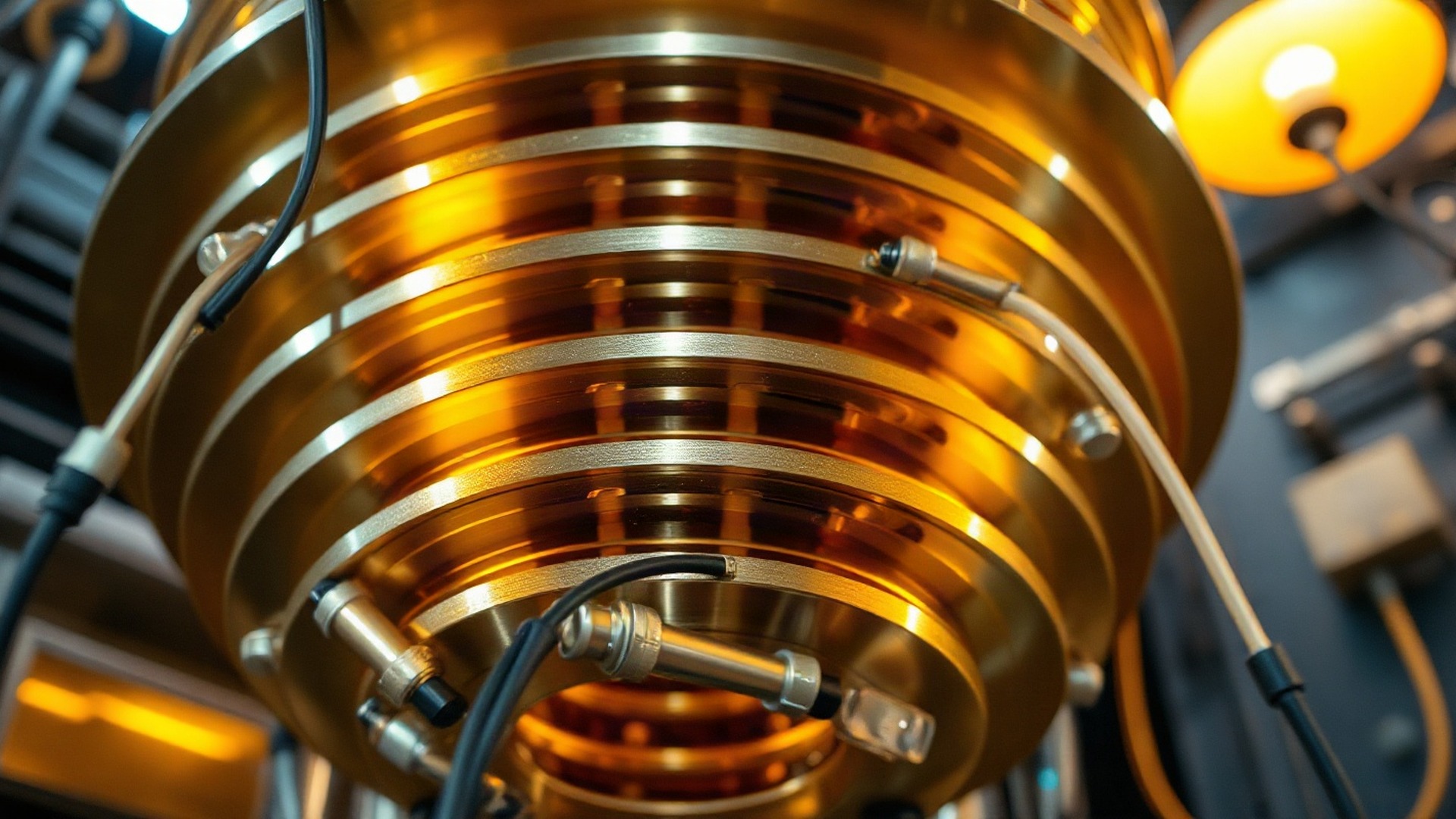
Every cruise missile needs an engine. Every jet-powered drone needs one too. The Pentagon is buying both by the thousands — and the hidden bottleneck is the small jet engine, which very few companies build cheap at scale.
| q2Revenue | $458.8M (+30.5% YoY, +19.1% organic) |
| fy26RevenueGuide | $1.75-1.81B (raised Aug 4) |
| adjEbitdaGuide | $173-176M |
| backlog | $2.084B record (funded $1.57B) |
| pipeline | $15.0B |
| ttmRevenue | $1.52B |
| engineTarget2027 | 3,000 small jet engines/yr |
| valkyrieTarget2028 | ~40 aircraft/yr from early 2028 |
| jassmEngineAward | F143-ZZ-100 second-source EMD (Aug 2026) |
| jdamLrEngine | J85 engines for Boeing JDAM LR |
Kratos Defense & Security Solutions (KTOS) is the company attacking that bottleneck. It builds jet-powered drones like the XQ-58 Valkyrie, small jet engines, rocket motors, and missile components for the US military and allies. This is the affordable-mass hardware the Pentagon buys by the thousands — not the $150 million fighter jets the primes sell by the dozen.
Here's why the engine matters. The next war is being built around cheap autonomous swarms and long-range missiles, and every one of them needs propulsion. Kratos is one of the few shops making small jet engines in real volume. It's also vertically integrated: its own engines, its own drones, its own factory capacity.
Here's the industrial math. A cruise missile is mostly engine, airframe, and guidance — and the engine is the piece with the longest lead times and the fewest suppliers. Propulsion has throttled missile programs before. That's why the Pentagon now wants a second engine source on its premier cruise missile.
In August, it got one. Kratos and GE Aerospace won the engineering-and-manufacturing-development award for the F143-ZZ-100, the roughly 800-pound-thrust turbofan the pair built as second-source propulsion for the JASSM cruise missile. But the win matters precisely because it's early: second-source engines get designed in before production ramps, not after.
Mind the contract type, though: EMD is development, not production. No near-term JASSM engine revenue shows up in the numbers, and the incumbent isn't going anywhere. The hardware is past paper, with a 2023 AFRL partnership, altitude tests at Purdue's Zucrow labs in 2025, and 50-plus ground-test starts behind it. America's premier cruise missile now has a second engine path, and Kratos is on it.
A week later came production-side proof. Kratos began allocating J85 engines from its 22,500-square-foot Auburn Hills, Michigan plant to Boeing's JDAM LR program — the Air Force's 300-plus-mile, 500-pound-class glide bomb. The USAF gave Boeing a $75 million undefinitized contract action, and Kratos is the engine source inside that award. Kratos didn't win $75 million — Boeing did, with a Kratos engine underneath.
Both awards landed on top of a strong August 4 print. Q2 revenue rose 30.5% to $458.8 million — 19.1% organic — against a record $2.084 billion backlog. Management raised full-year guidance to $1.75-1.81 billion in revenue and $173-176 million in adjusted EBITDA. GAAP net income landed at $4.4 million for the quarter.
Then the targets that matter. Kratos plans 3,000 small jet engines a year by 2027, and roughly 40 Valkyries a year from early 2028. Those are production commitments, not PowerPoint goals — the kind of numbers this industrial base is being rebuilt around.
The market hasn't caught up. Shares popped after the Q2 print — up more than 20 percent within two weeks — then gave the gains back as defense and drone names sold off through early September. The awards didn't stop the slide: shares closed lower on both August announcement days, falling about 7 percent the day the JDAM LR news landed, when the drone complex sold off hard. Wall Street still treats Kratos like a parts supplier while the Pentagon reorders its industrial base around engines. Next checkpoint: the Q3 print, expected around November 3.
None of this is free. Kratos is spending ahead of demand: capex of $125-135 million this year and deliberately negative free cash flow. It raised about $1.2 billion in a February equity offering — roughly 10 percent dilution — to fund the Nomad and Orbit acquisitions and bankroll the factory buildout. That's the honest trade: shareholders paid for the factory before the orders peaked.
GE Aerospace is the right partner, and the reason is strategic. The Pentagon wants second sources for the engines its weapons depend on, because single points of failure stall programs. Kratos brings a culture GE's commercial side understands: build it simple, build it cheap, build it in volume. That is the industrial logic of the F143 program, and Kratos is half of it.
So watch the engines, not the airframes. The JASSM award and the JDAM LR allocation are early proof the engine bet is real, and management's Q2 targets show the orders are expected to follow. If the Pentagon keeps buying affordable mass — and every signal says it will — the small jet engine is the chokepoint that has to scale.
Kratos is building the factory for it. The market will catch up when it starts counting engines instead of airframes.
Disclosure: The Signal holds no position in KTOS. Positions may change. This is not financial advice.