Wall Street spent the week dumping power stocks on fears that data-center permitting was hitting a political wall. Then Vistra reported earnings, and the panic evaporated. While the market was busy fretting over future power lines, Vistra reminded investors that its power plants are already built, switched on, and feeding the grid.
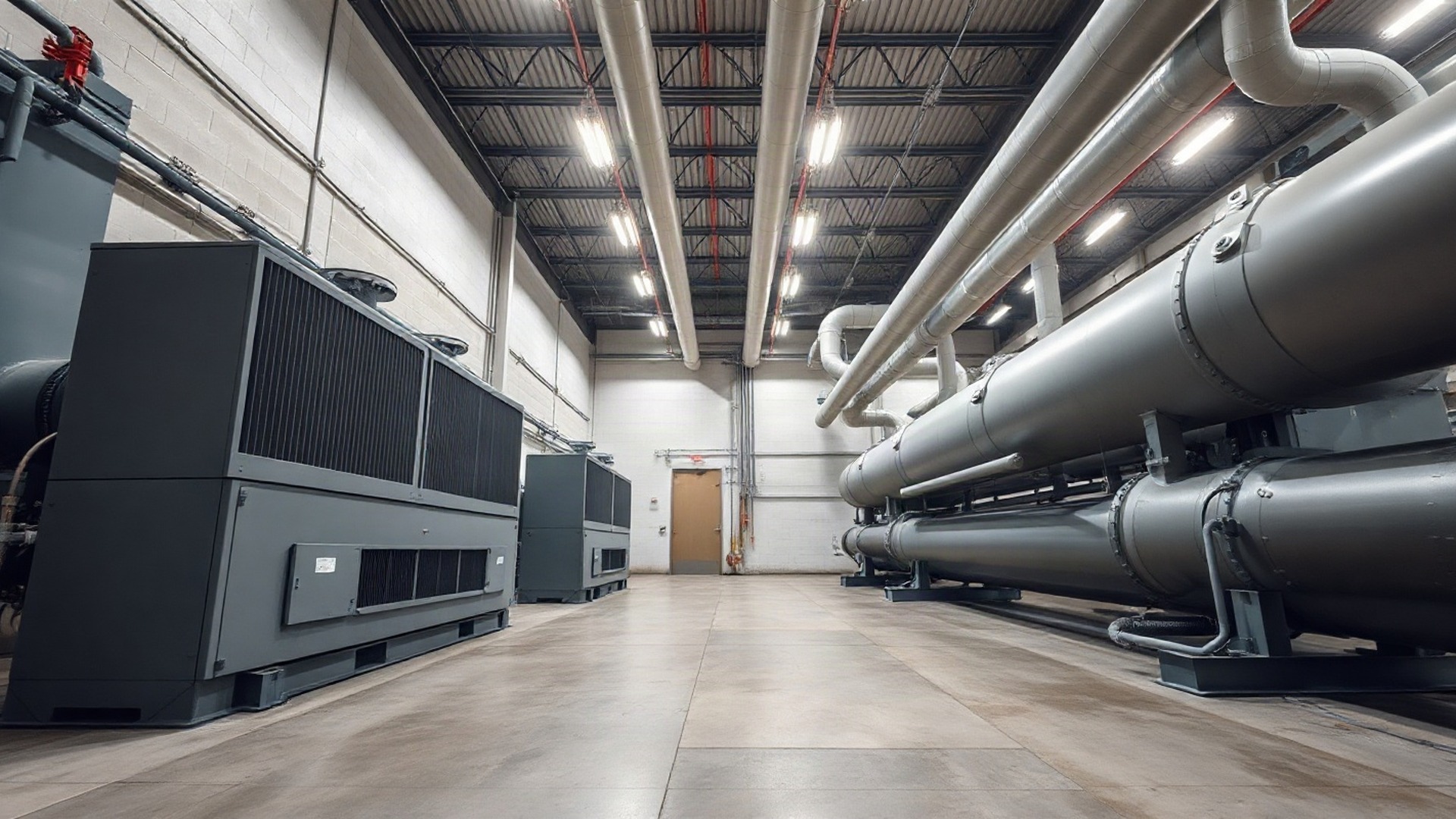
The business itself is straightforward. Vistra does not design processors, train neural networks, or assemble server racks. It generates electricity. With roughly 44,000 megawatts of capacity across natural gas, nuclear, solar, and battery storage, plus its retail brand TXU Energy, Vistra sells power to millions of customers across 16 states and Washington, D.C.
| Price LIVE | $124.80 |
| Market Cap | ~$42.3B |
| Forward P/E | 13.2 |
| Total Revenue (TTM) | $20.6B |
| 52-Week Low | $110.89 |
| 52-Week High | $196.80 |
| Analyst Consensus | Strong Buy (21 analysts) |
| Analyst Target Mean | $202.67 |
To understand its role in artificial intelligence, consider how a data center gets built. A hyperscaler can finance server racks in months, but hooking a gigawatt of demand into an overloaded regional grid takes years. That makes existing power plants with active grid interconnections the rarest real estate in tech. Vistra is the landlord who already owns the building with the heavy-duty wiring installed.
Tech giants are paying up to skip the line through long-term power purchase agreements, or PPAs. These contracts function like commercial real estate leases, locking in guaranteed electricity pricing for decades. Vistra has already signed more than four gigawatts of long-term contracts across its nuclear and gas sites. Counterparties include Microsoft, Meta and Amazon, with deals tied to existing plants like Comanche Peak in Texas.
The third-quarter numbers showed the cash generated by that scarcity. Operating revenue climbed 27.7% to $6.35 billion, while ongoing operations adjusted EBITDA jumped more than 50% to a record $2.38 billion. Net income hit $1.14 billion, though investors should note that $559 million of that came from unrealized paper gains on hedges that will settle in future years, rather than immediate operating cash.
Management also tightened its grip on forward expectations. The company narrowed and raised the midpoint of its 2026 adjusted EBITDA outlook to between $7.1 billion and $7.5 billion. It also initiated 2027 adjusted EBITDA guidance of $7.7 billion to $8.5 billion, stepping above the preliminary targets it floated late last summer.
That performance triggered an aggressive snapback. After sliding nearly 20% in two sessions into a 52-week low, Vistra surged over 10% on earnings day. The stock led a broad relief rally across power producers and semiconductor names alike, outperforming peers like NRG Energy and Constellation Energy.
The core question for the equity is whether the market will finally re-rate its multiple. Trading around 13 times forward earnings, Vistra is still priced like a commodity merchant whose fate depends on whether a heatwave spikes retail air-conditioning bills. To trade like high-margin digital infrastructure, Vistra must convert its remaining uncontracted nuclear capacity at Beaver Valley and Comanche Peak into fixed corporate contracts. If those gigawatts sign at high returns, predictable cash replaces volatile wholesale spot prices, and the multiple expands. If negotiations stall, a heavy share buyback program that has already retired nearly 30% of outstanding shares since 2021 will have to carry earnings per share on its own.
The bear case argues that investors are underestimating regional downside while waiting on those contracts. Vistra is 78% hedged for 2028, but management explicitly noted it is far less protected in its home market of Texas. In ERCOT, benchmark 2027 power price outlooks have dropped from roughly $44.70 per megawatt-hour in January down near $34.30. Meanwhile, Texas's incoming political leadership has pushed to slow data-center hookups until state lawmakers convene, and analysts at UBS estimate roughly 30% of planned 2028 data-center additions could face delays. A $269 million asset impairment this quarter was an unvarnished reminder that power assets carry real operational risk. If the local buildout slows and wholesale power prices stay depressed, Vistra's uncontracted capacity will price into a glut.
We are watching the Texas legislative session in January for rules on grid interconnections, alongside ERCOT power futures and contract announcements at Beaver Valley.
The company already holds the grid connections, but it still has to prove the tech sector will sign the leases before merchant power prices slide.
Disclosure: The Signal holds no position in VST. Positions may change. This is not financial advice.