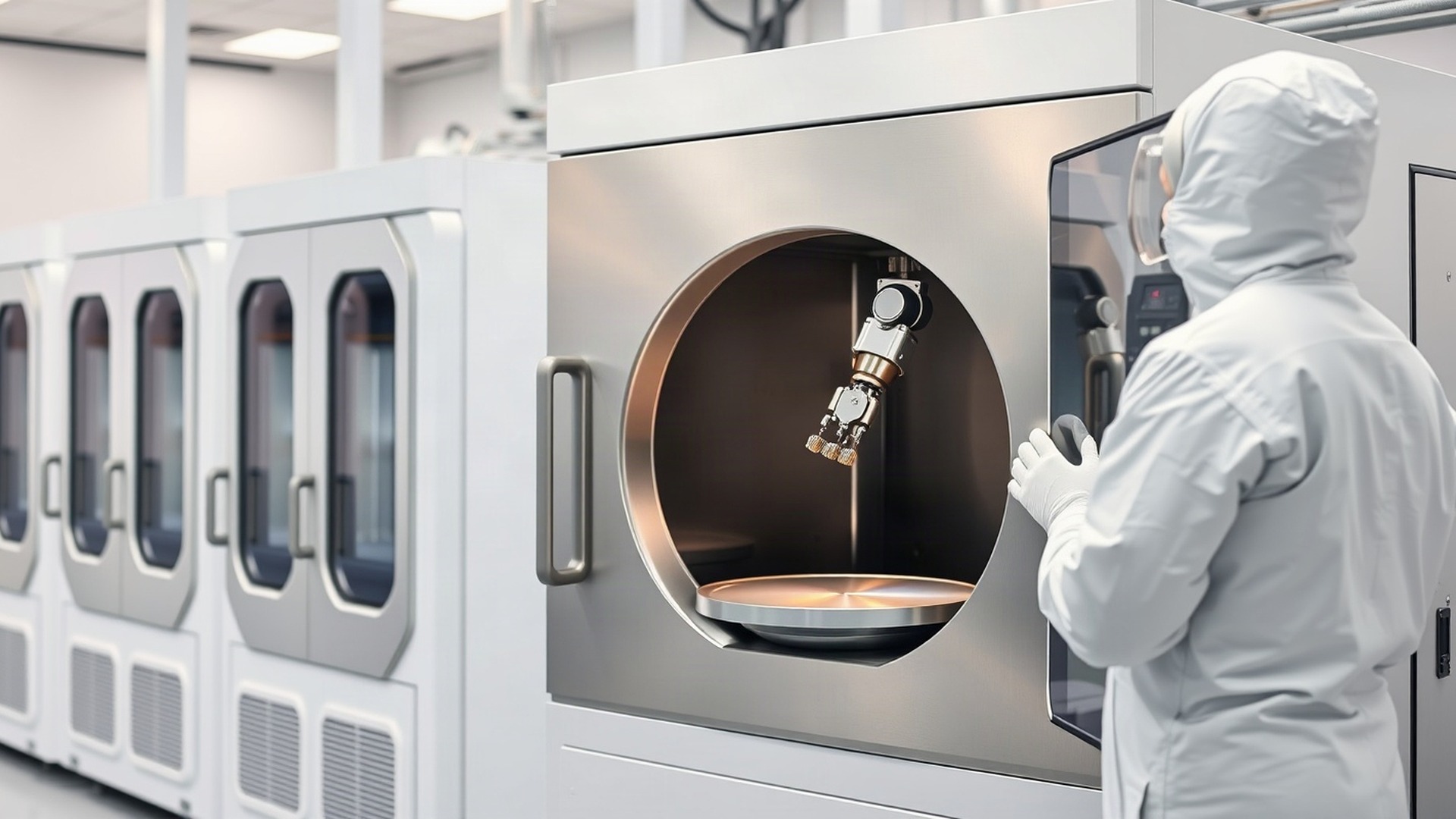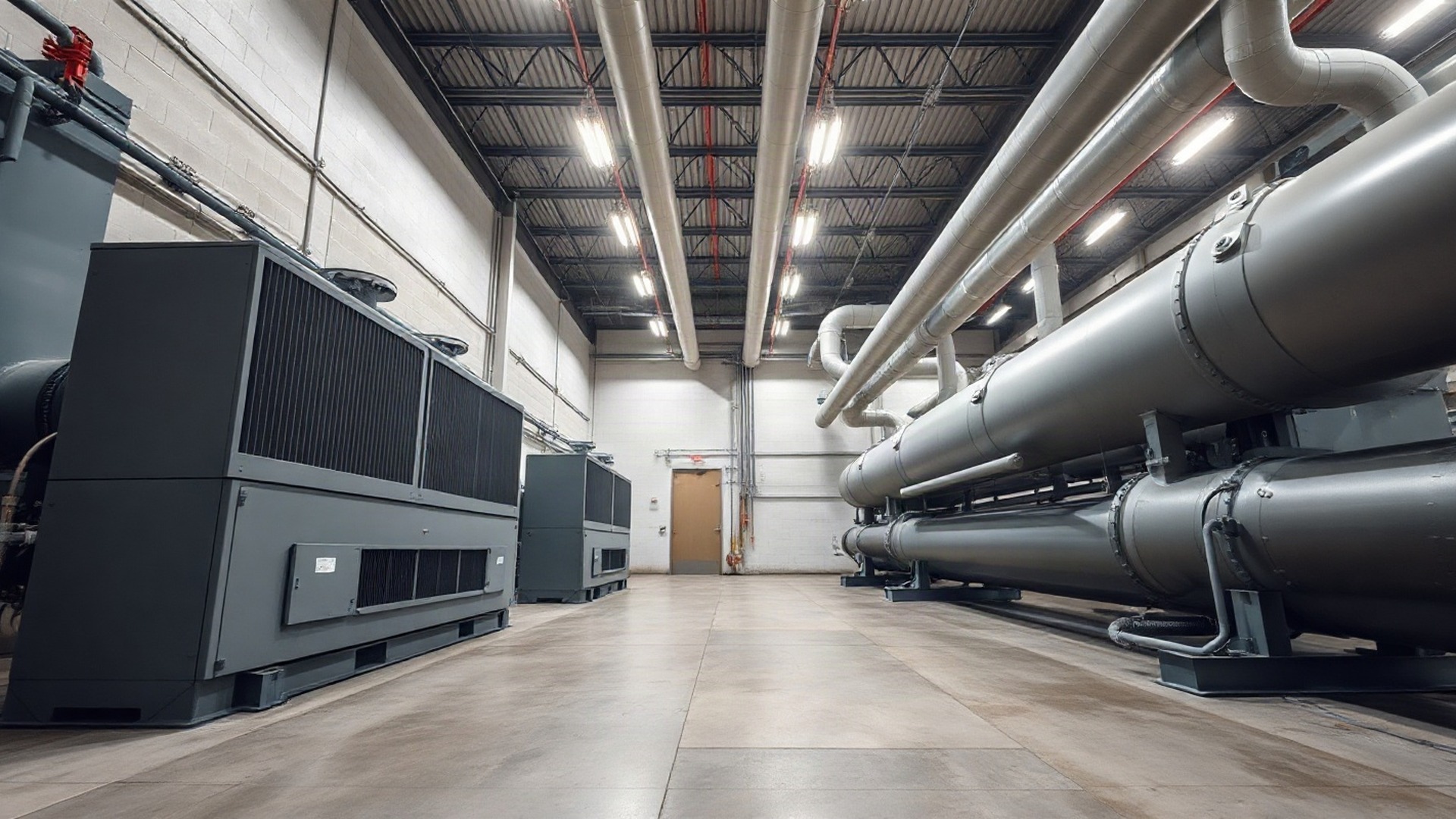
You know the lag when your phone gets scorching hot in the sun and dims its screen? That is thermal throttling. Now imagine thousands of power-hungry GPUs clustered in a warehouse, drawing megawatts of electricity. Nvidia sells the engine; Vertiv builds the cooling system, the fuel lines, and the radiator. You can have the fastest compute engine on earth, but without the plumbing, it seizes on the stand.
| Price LIVE | $212.15 |
| Market Cap | $81.7B |
| Forward P/E | 23.1x |
| Total Revenue (TTM) | $11.48B |
| 52-Week Low | $147.82 |
| 52-Week High | $379.93 |
| Analyst Consensus | Strong Buy (28 analysts) |
| Analyst Target Mean | $333.00 |
Vertiv sells the unglamorous guts of modern computing: the switchgear, busway, backup power units, and liquid cooling systems that keep data centers running. Its customers are hyperscalers, colocation operators, and neoclouds racing to construct gigawatt-scale sites. Every single watt of AI compute enters the rack as electricity and exits as heat. As server racks transition to direct-to-chip liquid cooling, this power-and-thermal envelope becomes the defining bottleneck of the AI expansion.
On Oct. 21, Vertiv pitched a way to break that bottleneck. Partnering with Nvidia at GTC Berlin, the company introduced an "AI factory" blueprint designed around pre-engineered reference architecture and factory-prefabricated modules. The goal is simple: replace bespoke on-site plumbing with standardized plug-and-play hardware. Vertiv claims the approach cuts on-site infrastructure deployment from 90 days to 45, trimming total configuration and validation time from 120 days down to 48.
The net pitch is about ten weeks saved. "An AI factory earns its return in tokens, and every day spent configuring infrastructure or integrating it on site is output that never comes back," Vertiv CEO Giordano Albertazzi noted. Vertiv claims this setup can yield up to 30% more cumulative token output over the first year. Note the asterisk: that figure is modeled, assuming 317 productive days against a conventional 245. Polar Data Centers is deploying the hardware at a 41-megawatt site in Norway, but the announcement included zero contract figures, no order tallies, and no guidance changes.
The market answered with a yawn, then a selloff. Vertiv shares rose roughly 4% on the announcement, only to shed about 5% the following morning. That left the equity down more than 40% from its May peak, capping an earlier eleven-day losing streak that wiped out roughly 20% of its value. Vertiv wants credit for accelerating customer revenue, but investors are treating it like a standard hardware vendor caught in a rate-driven storm.
The disconnect centers on expectations. Vertiv trades around 46 times trailing earnings and 22 times forward estimates, while the Street's average price target sits far above current levels. Trailing twelve-month revenue reached $11.48 billion, up 24%, and free cash flow came to roughly $2.9 billion over the same stretch. But after a 3% revenue miss in the second quarter triggered a single-day 17% plunge, investors want clean delivery rather than architectural promises.
The bear case writes itself: Vertiv is selling speed because it cannot guarantee delivery schedules. When mega-projects slip, modular promises do not prevent revenue from shifting into future quarters. Worse, management took away the scoreboard this year by halting quarterly backlog disclosures, leaving investors blind between earnings prints. Prefabrication also threatens profitability: shifting revenue toward factory-built hardware and away from high-margin on-site services can dilute gross margins.
At 46 times trailing earnings, a hardware vendor cannot afford margin dilution while interest rates remain volatile. What proves the bears right is simple: third-quarter adjusted operating margins landing at or below the 24.0% floor of management's guidance. If growth accelerates without widening the margin, the market will re-price Vertiv as an ordinary cyclical supplier.
For the equity to re-rate, speed must show up as pricing power. Prefabrication ought to create operating leverage: assembling cooling kits in a factory is cheaper and faster than custom pipefitting in the field. If Vertiv captures that efficiency, its adjusted operating margin expands toward its 27% long-term target. If it gives that value away to hyperscalers, it merely shoulders manufacturing risk for thin margins.
We are watching the third-quarter print on October 28, before the opening bell. Management guided for organic growth of 34% to 36% and adjusted operating margins between 24.0% and 25.0%. If margins print at the high end, prefabricated speed is working. If margins stay flat, the October drawdown is not a discount.
Disclosure: The Signal holds no position in VRT. Positions may change. This is not financial advice.