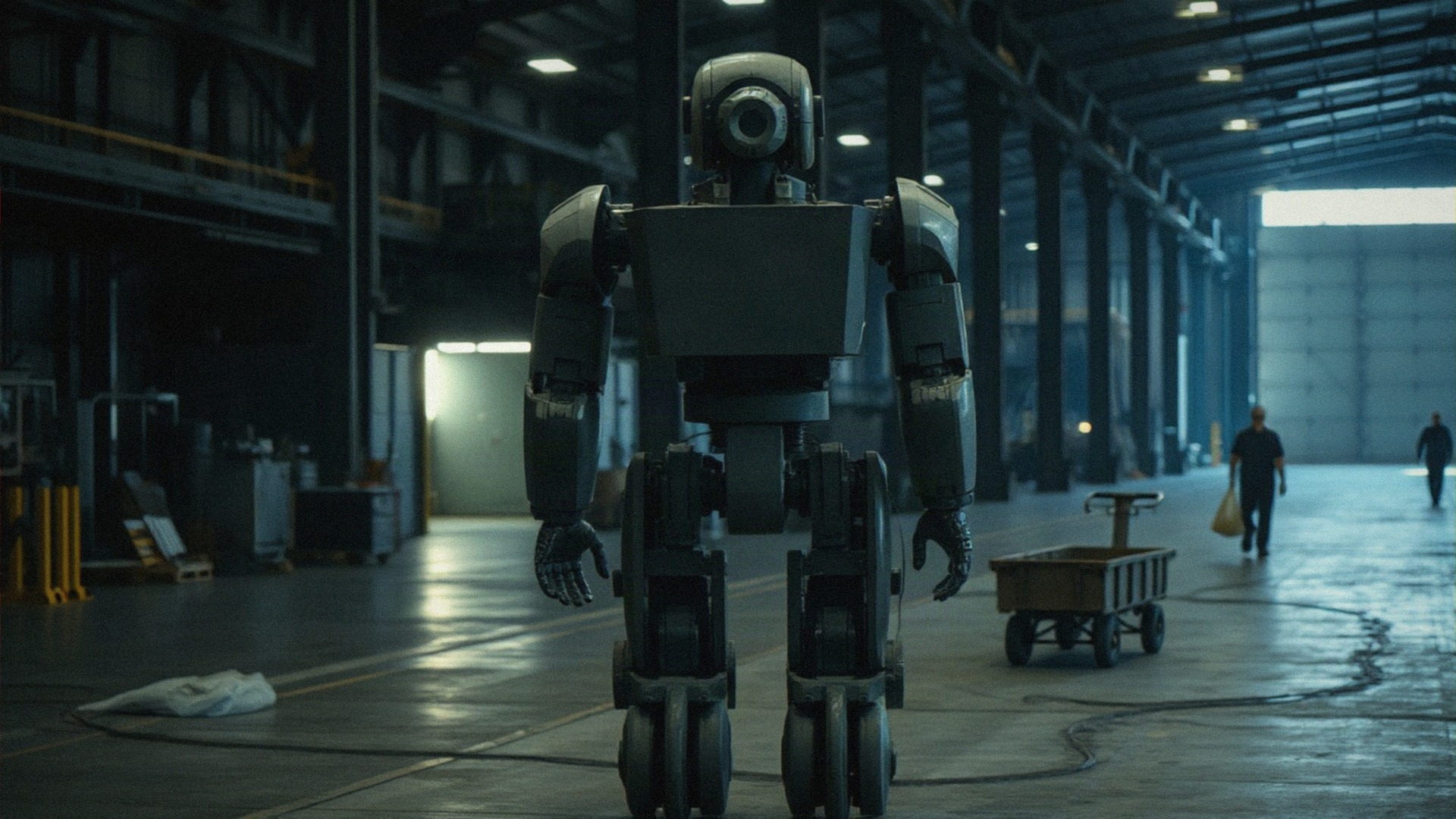
Optimus is Tesla's humanoid robot: a camera-eyed, two-handed machine built to do the lifting, sorting and fetching that factory floors still hand to people. It has no retail price, no store listing and one customer, which is Tesla itself. Early units go to an internal Optimus Academy for training data, which Tesla's filing classes as research and development, not product.
| Price | $380.12 |
| Market Cap | ~$1,501.3B |
| Forward P/E | 173.0 |
| Total Revenue (TTM) | $103.6B |
| 52-Week Low | $297.38 |
| 52-Week High | $498.83 |
| Analyst Consensus | Buy |
| Analyst Target Mean | $396.94 |
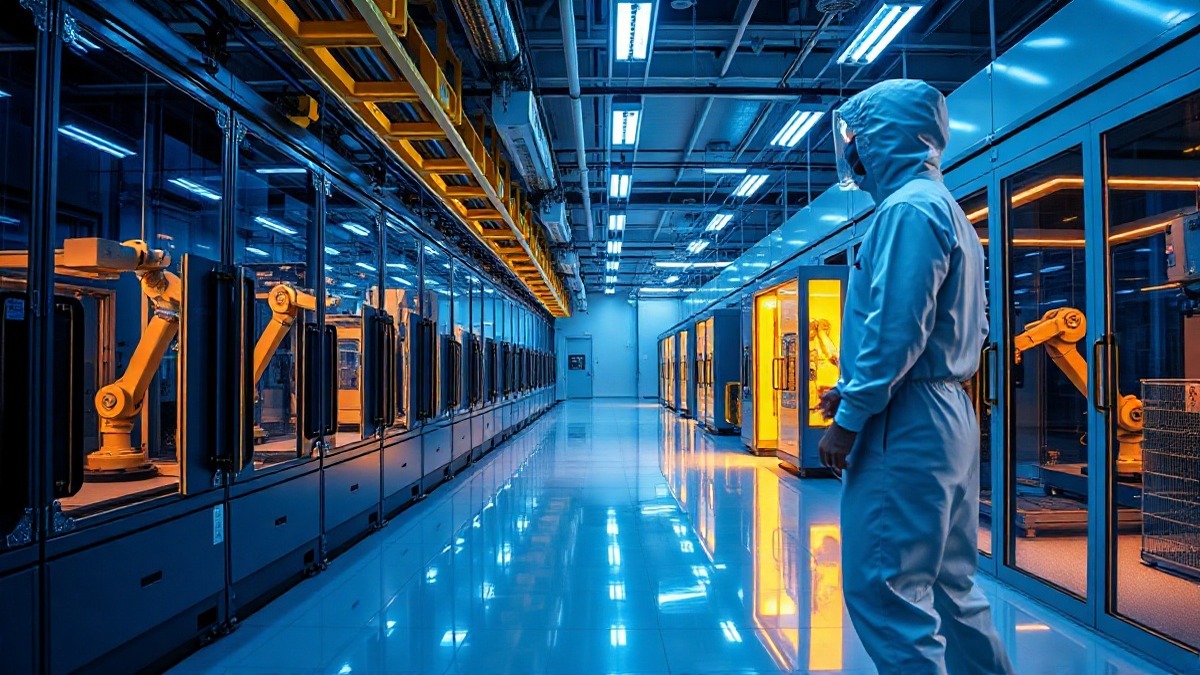
The manufacturing paperwork is moving faster than the sales. Tesla has removed the Model S and Model X lines at Fremont to install the first Optimus lines, and says production starts later this year. A supplier team began mass-production audits in Ningbo, Hangzhou and Shanghai around Sept. 17.
Several of those firms had already received Optimus orders, and they ship once they pass the audit. A production-intent Gen 3 design turned up inside Tesla's own Android app.
Why does an AI investor care? Optimus runs on the same bet as Full Self-Driving: one end-to-end neural network that reads camera and sensor input and outputs action. FSD's control loop runs at 36 times a second, a pace a robot working beside people needs.
Tesla's AI5 chip is reportedly designed to process vision and force-torque data inside the machine rather than streaming it to a data center. Cortex 2, the Texas training cluster, supports both vehicle and humanoid autonomy software, so every car mile and every fumbled grasp feeds one data flywheel.
The ambition mirrors what Tesla did to the electric car: build the hard thing in-house, at its own cost, at a scale nobody else will attempt. Fremont's dedicated line is designed for a million robots a year. The second line in Texas is drawn for ten million, with production around summer 2027.
For the equity, the question is narrower and less forgiving. Tesla trades at a forward multiple in the 170s on a 1.4% operating margin and negative free cash flow. That price already assumes the robot, the robotaxi and the energy business all work.
What would actually re-rate the stock is a disclosed cost per unit set against a disclosed build volume. A first paying customer outside Tesla would do it, or a margin stream on the hardware. None of those exists yet, so the market pays for the option rather than a cash flow. The average analyst target sits only a few percent above the current price.
The unit economics are the whole argument. Musk has targeted $20,000 to $30,000 at scale, contingent on millions of robots a year. Counterpoint Research estimates the Gen 3 build cost above $60,000 in this half. The new 22-degree-of-freedom hands alone approach 20% of the bill of materials.
Every early robot therefore ships below cost, and closing that gap means halving the hardware somewhere. Musk calls it “the hardest product to scale manufacturing that we've ever made at Tesla,” and no such cost curve has appeared yet.
A short seller reads the filings and sees a demo business with a press release attached. Musk admitted in January that no Optimus was doing “useful work” in Tesla's factories, after two years of claiming otherwise. Eight months later, AI chief Ashok Elluswamy said the demo movements are essentially remote controlled. The teleoperator steers; the machine mostly keeps itself upright.
Tesla publishes a million-robot capacity plan while its own disclosure table prints Construction and leaves the capacity column blank. The tripwire is clean: no named outside customer and no published cost per unit by summer 2027 proves the bears right.
Competitors are already selling. Unitree's G1 lists near $13,500, below Tesla's target, and Unitree is the only humanoid maker with real shipments at scale. It still shed about $30 billion in eleven days after its Shanghai listing.
Agility Robotics holds more than $300 million in multi-year orders across nine customer sites. Hyundai plans about 25,000 Boston Dynamics Atlas units and a US factory built for 30,000 robots a year.
Optimus is not free to the car business either. Second-quarter capital spending rose 142% to $5.8 billion, free cash flow turned negative at $1.09 billion, and operating expenses climbed 47% on AI and robot spending. Operating margin fell to 1.4% while regulatory credits dropped 67%.
Here is the number to watch. Supply-chain reporting puts Tesla's 2026 component orders at roughly 15,000 robots' worth. Weekly output climbs from about 1,000 in late September toward 2,500 by year end. Summer 2027 is the window Tesla named for selling a robot to somebody who is not Tesla.
Every robot clip on your phone is real inside the frame, and silent about everything outside it. Until an outsider pays for one, Optimus is an option contract rather than a product line. Options expire.
Disclosure: The Signal holds no position in TSLA. Positions may change. This is not financial advice.