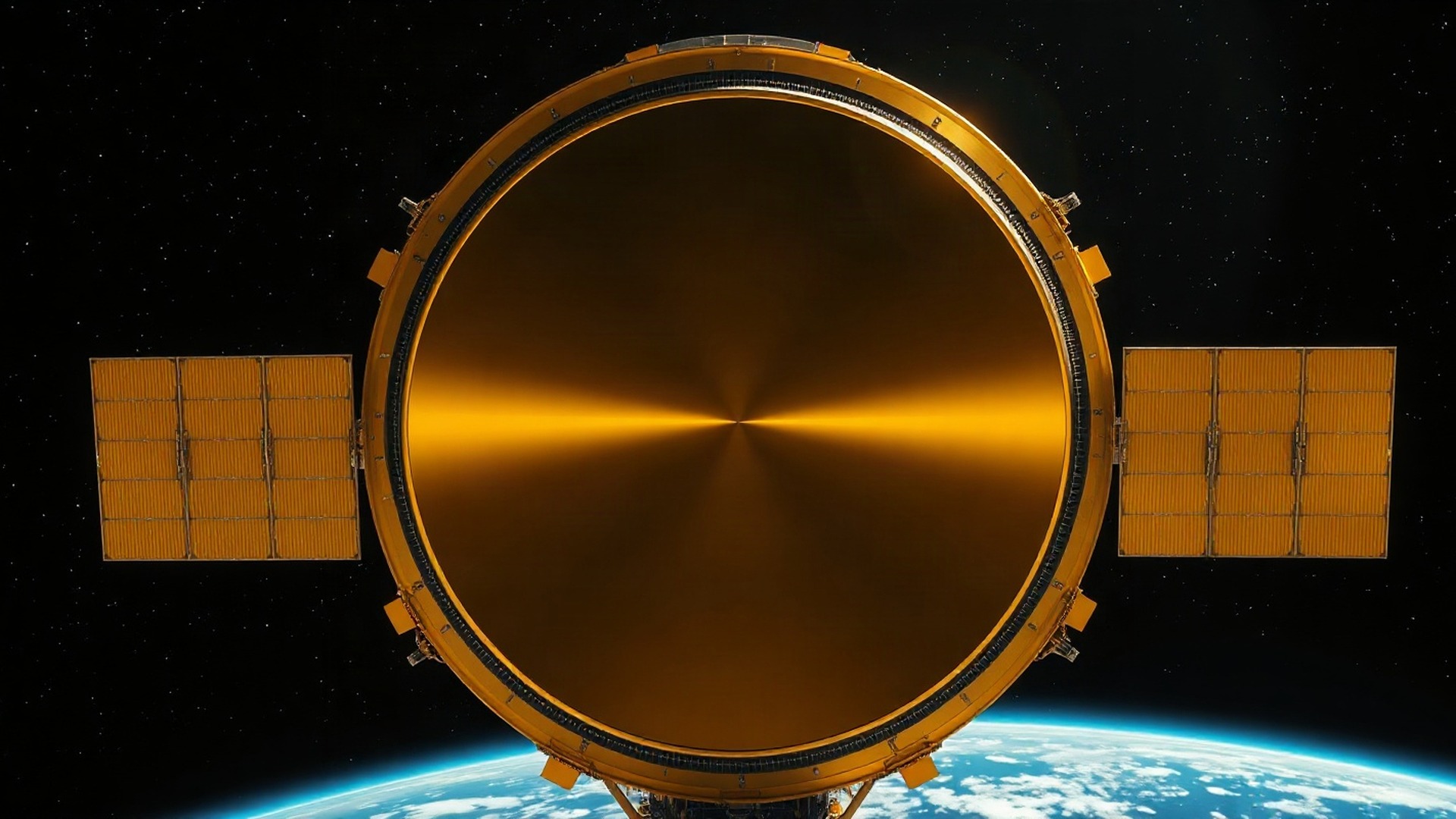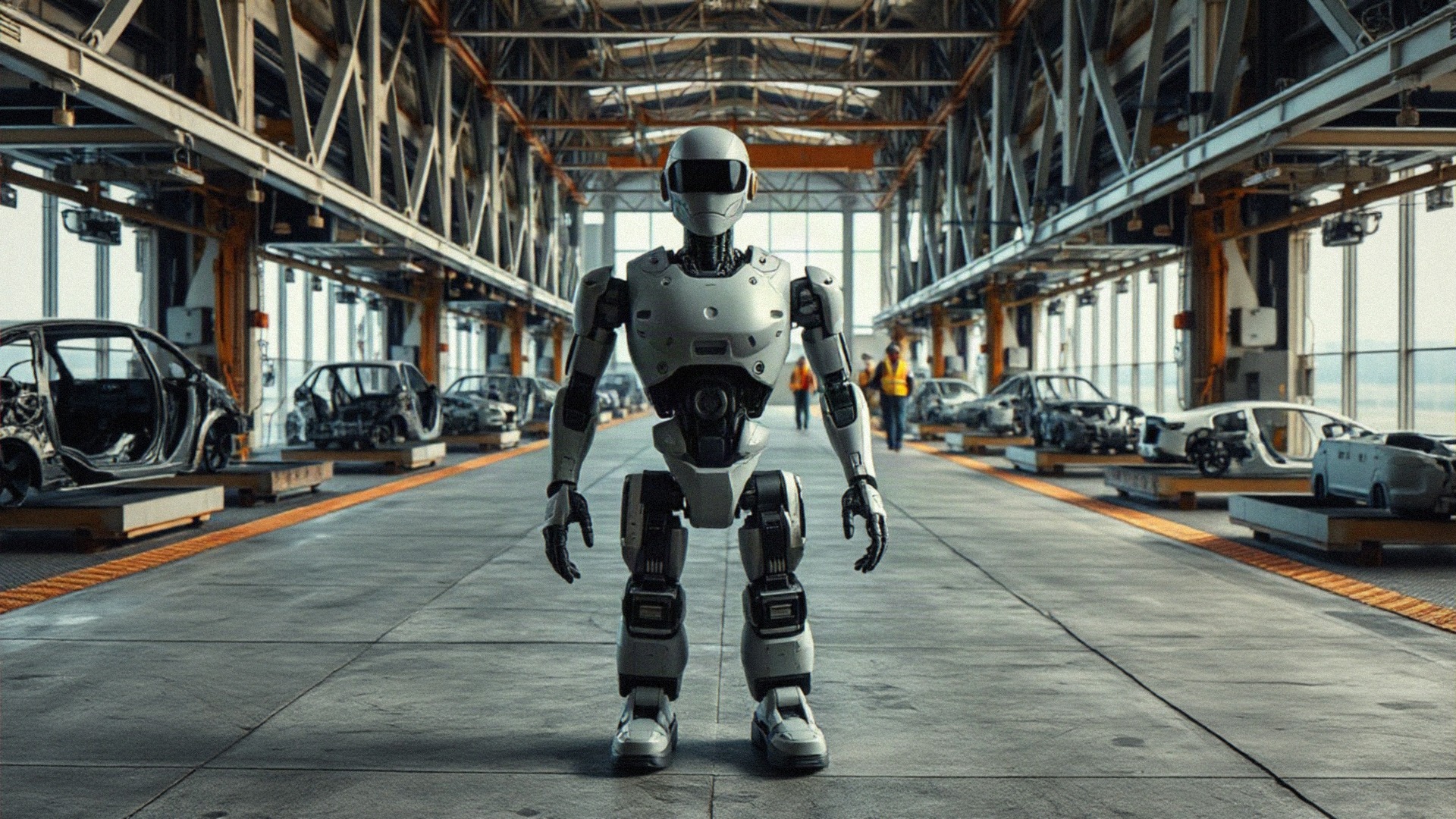
Tesla sells electric cars to consumers, builds grid-scale battery storage for power utilities, and runs a proprietary vehicle charging network. Yet the market values the enterprise at roughly $1.5 trillion for reasons that have little to do with the sedans on your street. It is paying for three technologies that produce almost no revenue today: autonomous Cybercab robotaxis, humanoid Optimus factory robots, and custom artificial intelligence silicon.
Free cash flow is the cash a company generates from its everyday operations minus what it spends on physical assets like machinery and factories. It is the money left over to reinvest or shore up defenses. Heading into the quarterly report, Wall Street braced for Tesla to burn nearly $5 billion. Instead, the company minted more than $1.5 billion.
| Price LIVE | $386.47 |
| Market Cap | $1.53T |
| Forward P/E | 181.6x |
| Total Revenue (TTM) | $103.57B |
| 52-Week Low | $297.38 |
| 52-Week High | $498.83 |
| Analyst Consensus | Buy (37 analysts) |
| Analyst Target Mean | $401.40 |
It looked like an abrupt masterclass in corporate belt-tightening. Look beneath the hood and it is a different trade altogether. Tesla did not produce an operational miracle. It moved the due date.
Chief Financial Officer Vaibhav Taneja trimmed 2026 capital spending plans to approximately $20 billion, down from previous projections exceeding $25 billion. Yet the largest manufacturing commitment in company history has barely started billing. Musk told investors that the "Terafab", a joint Austin chip plant built with SpaceX, will demand "not less than tens of billions" in capital equipment through early 2028. Over the long term he put the bill at "probably north of $100 billion."
Tesla and SpaceX have not split the cost. First useful chips at volume are not targeted until the third quarter of 2028. The spending was not cut. It was rescheduled.
For the broader AI sector, that delay carries real operational consequences. Tech giants are spending historic sums buying merchant processors from third-party designers. Tesla wants complete silicon independence. Between its Cortex supercomputing clusters and the AI5 chips destined for Optimus robots, the company is attempting to forge its own computing foundation from the wafer up.
Owning the foundry eliminates packaging bottlenecks and outside markups. But running a chip fab is the most capital-punishing business in the world. Staging that machinery installation buys cash flow breathing room now, but it leaves Tesla reliant on outside chip supplies while construction grinds toward 2027.
Meanwhile, the underlying automotive engine showed surprising resilience. Automotive gross margin excluding regulatory credits climbed to 18.1%, up from 15.4% a year earlier, and cash reserves reached $45.4 billion. Deliveries slipped 2% while production rose 4%, and battery storage deployments hit 13.7 gigawatt-hours, the second-best quarter on record.
Tesla has also secured capacity to borrow up to $30 billion, and says it will not draw on any of it this year. That is a company pre-funding a bill it has not yet agreed to pay.
Corporate governance questions also loomed over the quarter. Musk floated a potential merger between Tesla and SpaceX, noting that both boards had formed special committees of independent directors to evaluate a combination. On the call he described himself as "tap-dancing through a minefield" on the topic, while Reuters reported that his public endorsement could invite shareholder scrutiny and complicate negotiations.
The bear case argues this entire financial performance was built on clever timing. Top-line revenue was essentially flat, while operating income plummeted 56% to $718 million and GAAP net income dropped by nearly 43%. The adjusted earnings beat existed entirely because Tesla added back $0.28 per share in stock-based compensation.
More damning, the celebrated cash surplus leaned on working capital: unpaid bills and accrued liabilities supplied nearly $4 billion of operating cash flow. Strip out those deferred supplier obligations and free cash flow was negative by roughly $1 billion. Pushing capex down the road does not solve the equation when Tesla still faces a heavy $7 billion fourth-quarter sprint and an open-ended hundred-billion-dollar foundry tab.
With the stock priced at roughly 180 times forward earnings, the market is pricing in a flawless leap from automaker to autonomous platform. For the equity to re-rate higher from here, Tesla must prove its autonomous fleets can generate high-margin software revenue long before foundry bills come due. That requires turning Dallas and Austin Cybercab fleets into paying services rather than supervised pilots.
What we are watching is the fourth-quarter capex figure, to see whether Tesla actually absorbs its remaining $7 billion allocation before equipment installation begins in Austin next year.
Disclosure: The Signal holds no position in TSLA. Positions may change. This is not financial advice.