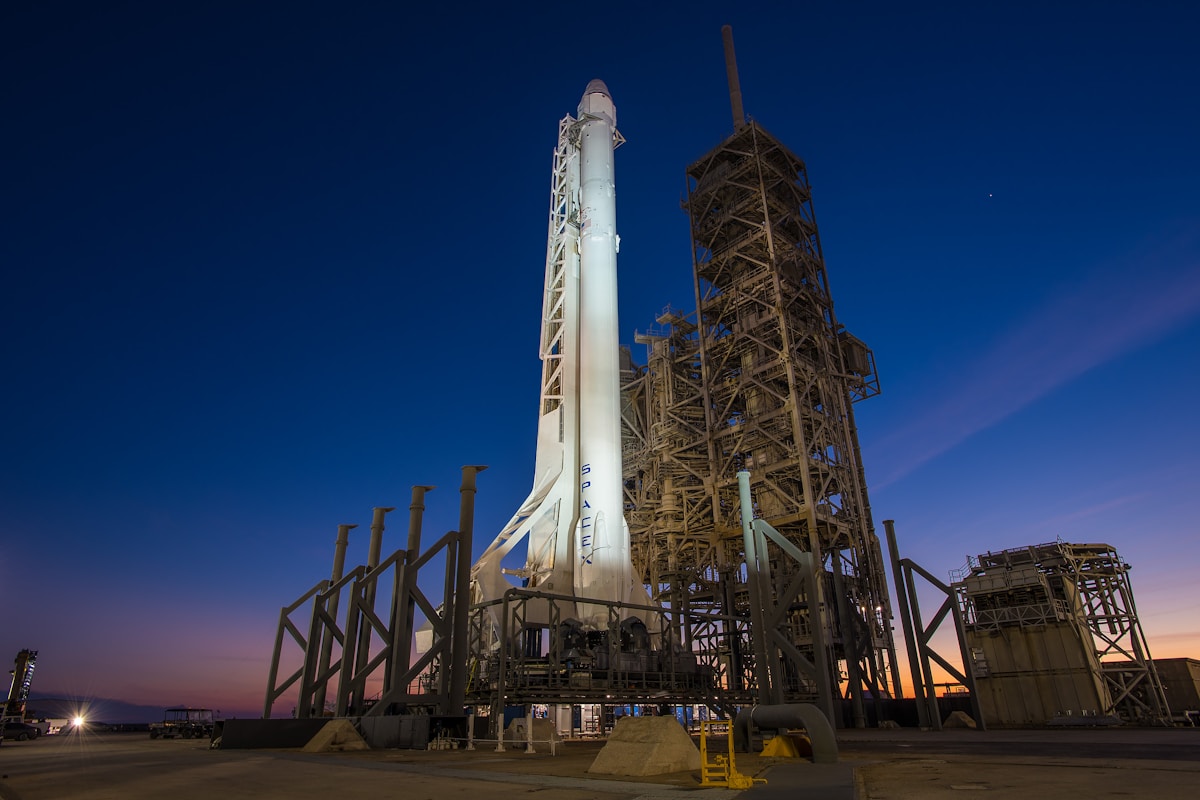
The internet is going crazy right now because the Form S-1 just officially dropped. Elon Musk pulled back the curtain, filing the paperwork to take SpaceX public under the ticker SPCX as early as June 12.
Every talking head on TV is hyping this up as the dawn of the space age, screaming about a record-shattering $1.75 Trillion to $2 Trillion valuation. They want you to think it's all about Mars, rockets, and looking at the stars.
But if you look at the raw numbers, the reality is a lot messier. This isn't just a rocket company listing on the Nasdaq; it's one of the most aggressive financial shell games ever played on Wall Street. Let's cut through the noise and look at what's actually on the books.
The Bloody Truth Under the Hood
The mainstream media loves to talk about revenue growth, and yeah, SpaceX pulled in $18.7 Billion last year — a 33% jump. But nobody is talking about how much cash is leaking out of the building.
SpaceX didn't make a profit last year; they posted a massive net loss of $4.9 Billion. And if you think they are turning it around this year, the first quarter of 2026 just closed with a net loss of $4.3 Billion on $4.7 Billion in revenue. They practically lost a dollar for every dollar they brought in.
To keep this massive machine moving, they've been stacking up leverage. The filing shows a crushing $29.1 Debt Load through Q1. They are bleeding cash fast — their reserves plummeted from $24.7 Billion down to $15.8 Billion in just three months.
The Starlink Cash Cow vs. The AI Money Pit
So where is all that money going? It's not actually the rockets that are burning through the cash. It's the Silicon Valley AI arms race.
SpaceX has two completely different businesses living under one roof:
The Cash Cow (Starlink): Starlink is an absolute money-printer. In Q1 alone, it brought in $3.25 Billion of the company's $4.7 Billion total revenue, posting an adjusted EBITDA of over $2 Billion. It completely dominates global satellite broadband.
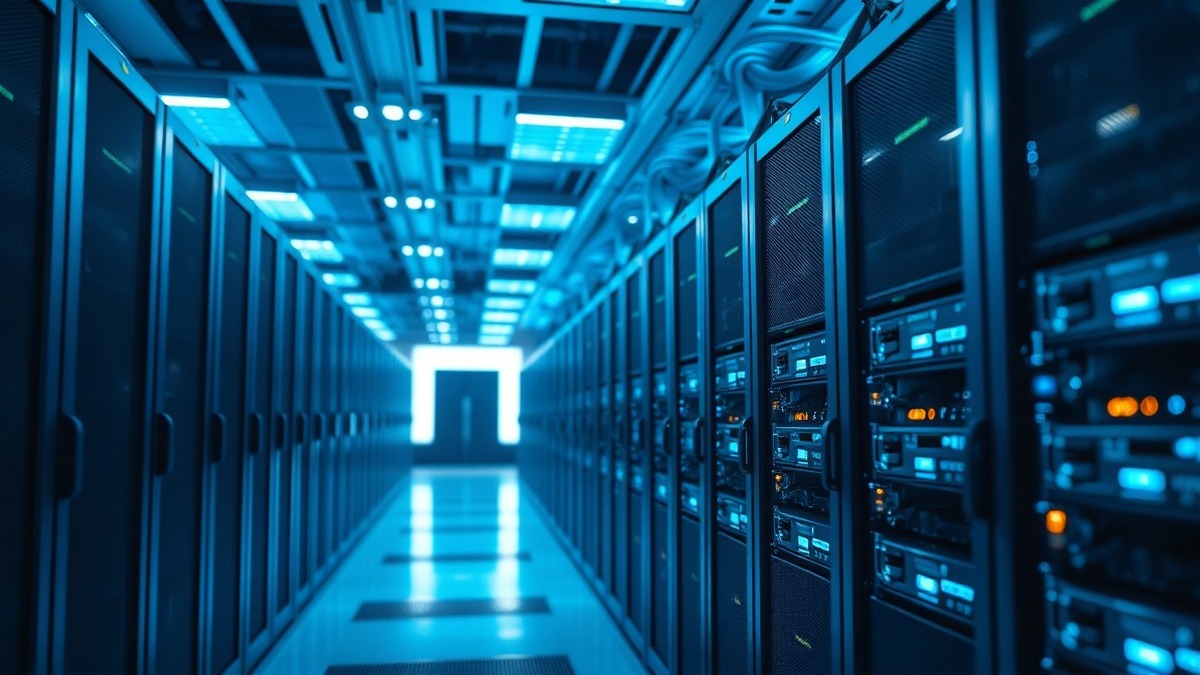
The Money Pit (xAI/Grok): Here is the twist. Because Musk merged his xAI startup into SpaceX under an all-stock deal, rocket investors are now funding an AI war. Out of $10.1 Billion in capital expenditures last quarter, a staggering $7.72 Billion went straight to AI infrastructure. The AI segment lost $2.5 Billion in Q1 alone.
Musk is essentially using the highly profitable Starlink network to fund an endless supply of high-end Nvidia chips and massive data center clusters to fight OpenAI.
The $2 Trillion Hype Factor
How do you justify asking public investors for a $1.75 Trillion valuation when you are carrying $29 Billion in debt and losing billions a year? You sell them a massive story.
In the S-1 filing, SpaceX claims they are chasing the "largest actionable total addressable market in human history" — a wild $28.5 Trillion future economy. But look closer at their own pitch: they see $1.6 Trillion of that coming from satellite space connectivity, while a massive $26.5 Trillion is tied to artificial intelligence and "orbital compute."
They aren't selling Wall Street a rocket company; they are selling a massive AI infrastructure play that happens to have its own launch pads.
The Portfolio Bottom Line
When SPCX hits the market next month looking to raise up to $80 Billion, it will immediately pass Saudi Aramco's record to become the biggest IPO ever. Because of Fast-Entry rules, index funds and ETFs will be forced to buy it up within 15 days of trading, which is going to push the price into outer space regardless of the fundamentals.
But don't get blinded by the hype. If you buy into the IPO, you aren't just betting on Starship or a colony on Mars. You are funding a high-stakes, capital-heavy bet on data centers and artificial intelligence.
Keep your eyes on the signal, not the noise. The technology is historic, but the financial math is as risky as it gets.