Washington dropped a regulatory wrench into the AI buildout right before Thanksgiving, and the shockwave rippled straight to the server floor. Nvidia quietly instructed its primary manufacturing partners to freeze shipments of high-performance systems bound for Malaysia, Singapore, Thailand and Indonesia. Skim the headlines and it looks like a wall slamming down on one of the fastest-growing data center corridors on the planet.
Look closer at the factory floor and the reality is far more bureaucratic. Super Micro Computer does not design microchips. Think of Nvidia as an engine maker. Super Micro is the speed shop that bolts that twin-turbo block into a custom chassis, plumbs the liquid cooling, tests the wiring and trucks the finished rig to the customer. It sells those dense, power-thirsty server racks to cloud providers, corporate enterprises and sovereign governments desperate to switch on AI clusters overnight.
| Price LIVE | $23.31 |
| Market Cap | $15.4B |
| Forward P/E | 3.4x |
| Total Revenue (TTM) | $54.0B |
| 52-Week Low | $19.48 |
| 52-Week High | $51.40 |
| Analyst Consensus | Hold (18 analysts) |
| Analyst Target Mean | $43.60 |
The immediate scare centered on lost sales, but the regulatory fine print tells a different story. The Commerce Department's interim rule is an export filter, not an outright ban. Tucked inside the document is a critical carve-out. The new licensing mandates do not apply when the ultimate buyer or its parent company is headquartered in the United States, provided the vendor files detailed monthly transaction logs.
That single exemption defangs the demand panic. In the September quarter, 80% of Super Micro's revenue came from domestic buyers, while all of Asia generated just 6%. A year earlier, Malaysia and Indonesia alone drove a third of total shipments. As American tech giants scaled capital spending, Super Micro shifted its pipeline almost entirely to home turf. The Southeast Asian channel had shrunk to a rounding error before the export curb took effect.
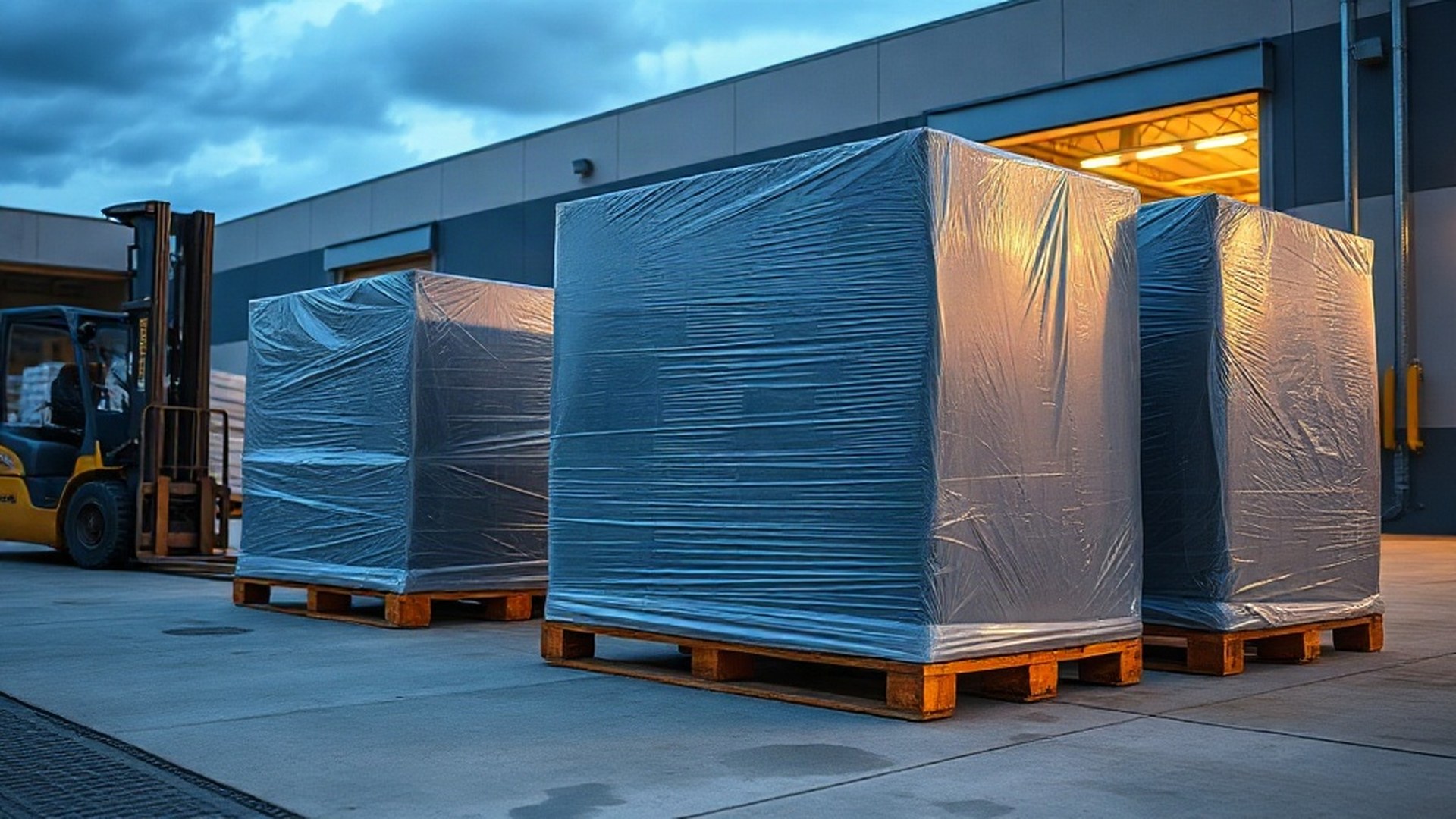
The actual disruption is operational. Super Micro booked nearly $20 billion in net sales last quarter, almost quadrupling its business from a year ago. Moving that much iron requires flawless rhythm. When federal regulators impose case-by-case license reviews alongside mandatory monthly reporting on processing power and product codes, assemblers do not gamble. They overcomply. They freeze loading docks and park finished inventory until legal teams can trace corporate family trees.
That paperwork traffic jam lands squarely on the balance sheet. Super Micro closed September carrying $15 billion in inventory against $8.7 billion in debt. Management has openly noted that its primary bottleneck is not manufacturing capacity but the speed at which customer facilities become ready to receive finished equipment. When export rules stall delivery schedules, expensive liquid-cooled racks sit in warehouses, tying up working capital that has yet to convert into cash.
That working-capital drag explains why the stock refuses to trade like an AI darling. Wall Street values the entire enterprise at about a fifth of its projected annual revenue, leaving shares at a rock-bottom multiple of forward earnings. The market is not paying up for growth because it treats these sales as rented. Investors see a pass-through entity that buys expensive third-party silicon and flips it into boxes at a 12% gross margin.
To earn an equity re-rating, Super Micro has to resolve three specific anxieties. Gross margin must prove it can hold above the company's full-year floor of 11.8% as complex AI builds increase. Operating cash flow must turn reliably positive as deferred customer prepayments convert into deliveries. Crucially, its anchor client must stay put. A single data center customer drove 44% of revenue last quarter. If that customer expands its orders, the current valuation looks overly punitive.
The bear case argues that customer concentration makes the entire structure dangerously brittle. Assembling liquid-cooled servers is tough, high-speed engineering, but it is ultimately replicable. Heavyweights like Foxconn, Quanta and hyperscalers' internal engineering groups can assemble the same components. When a company relies on one mystery buyer for nearly half its top line, it does not own an unassailable moat; it rents a pipeline.
The margin math is already moving the wrong way. Gross margin fell nearly five percentage points sequentially as lower-margin AI servers dominated the mix, and management expects profitability to soften further through the spring. Despite record revenue, quarterly operations burned nearly $435 million in cash. If that dominant client dual-sources hardware or brings assembly in-house, Super Micro is left servicing billions of debt with warehouses full of unsold racks. Short sellers read a sudden export freeze as a reminder of how easily policy can break an assembler's momentum.
What we are watching is the December-quarter earnings report in early February. Two numbers matter: whether gross margin stays inside the guided 12% to 12.5% range, and whether operating cash flow flips positive as deferred revenue converts.
Federal export controls will not erase Super Micro's order book, but they place a heavy compliance burden on an assembly line that has zero margin for error.
Disclosure: The Signal holds no position in SMCI. Positions may change. This is not financial advice.