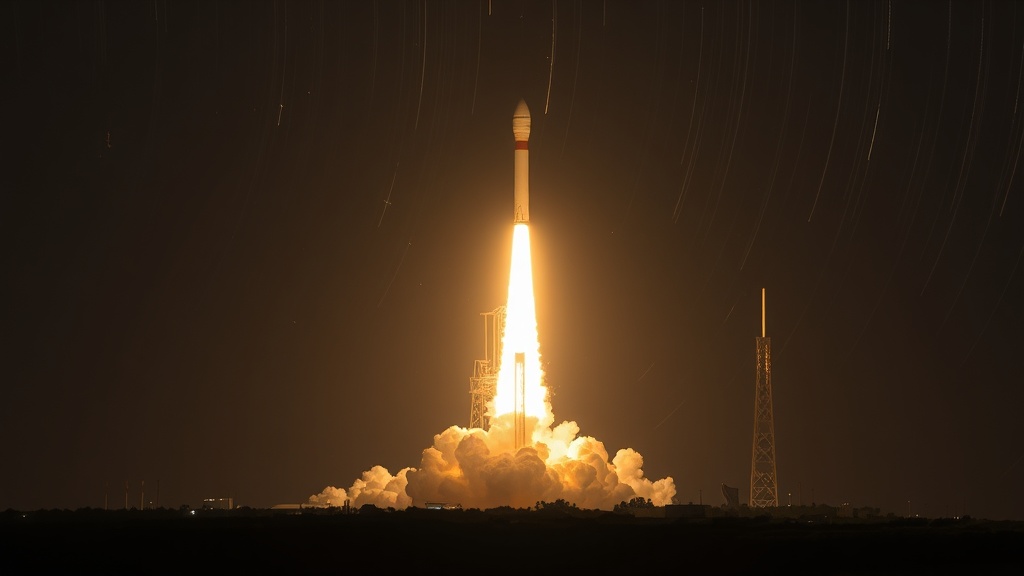
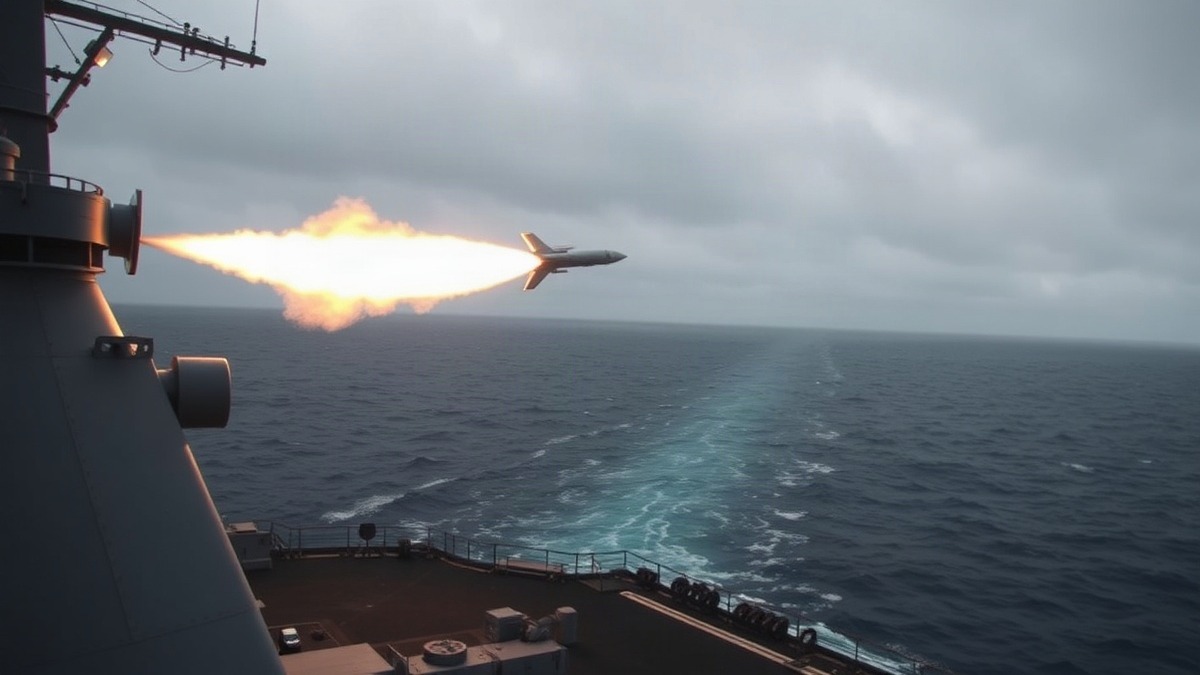
The biggest defense story of the day landed on Monday, and the stock market basically shrugged. Raytheon, the RTX business that builds the Tomahawk, won a $22.9 billion, seven-year U.S. Navy contract to turn the cruise missile from a slow-drip specialty item into a mass-produced weapon of war, all under the Department of War's 'Arsenal of Freedom' program. RTX shares barely budged on the announcement, and for a contract this size, that calm is almost as newsworthy as the award itself. The market has heard this story before, and now it wants to see missiles coming off the line.
| Price LIVE | $221.64 |
| Market Cap | $301.5B |
| Forward P/E | 28.5 |
| Total Revenue (TTM) | $93.5B |
| 52-Week Low | $150.61 |
| 52-Week High | $226.88 |
| Analyst Consensus | Buy |
| Analyst Target Mean | $232.27 |
Start with the scale of what the Navy just asked for. Raytheon has been producing roughly 60 Tomahawks a year, a rate that made sense when the missile was a weapon of choice rather than a weapon of necessity. The new contract targets annual output of more than 1,000 — a 17x increase sustained over seven years. That is not a tweak at the margins; it is the industrial reconstitution of a single weapon system, and it makes the Tomahawk the centerpiece of America's conventional long-range strike answer to a Pacific fight.
And the ramp is already underway, which is the part people keep missing. RTX delivered three times as many Tomahawks in the first half of 2026 as it did in the first half of 2025 — a jump that would have been the headline two years ago — so the surge is not a PowerPoint promise; it is happening on the factory floor right now. The company has spent the past year-plus broadening its supplier base and expanding its plants in Tucson and Camden, treating the missile line like the strategic asset it has become. This contract converts that momentum into a locked-in, multi-year revenue stream.
The financial context makes the setup even cleaner. Raytheon is RTX's fastest-growing segment, and it posted second-quarter sales of roughly $8.27 billion, up 18% year over year — a pace that outruns the rest of the portfolio. Management used the moment to raise full-year guidance across the board: adjusted sales of $95 billion to $96 billion, adjusted earnings per share of $7.10 to $7.25. The award lands on top of a defense backlog of about $119 billion, part of a company-wide total near $289 billion — the kind of visibility most industrial companies would kill for, at a moment when the Pentagon is ordering suppliers to build more of everything.
The budget math tells the same story. The Navy's fiscal 2027 request includes roughly $3 billion for about 785 Tomahawks, against about $257 million for roughly 58 missiles a year earlier. Congress will haggle over the details, but the direction of travel is unmistakable, and this is not an incremental shift — it is a different procurement philosophy entirely. A multiyear contract locks in price and volume years in advance, which is exactly how you convince suppliers to build capacity they would never otherwise fund.
The people closest to the program are not hedging. Raytheon President Phil Jasper calls the Tomahawk 'the Navy's most important strike weapon' and describes the contract as the foundation for the missile's next several decades of service. Acting Navy Secretary Hung Cao pushes the same urgency, arguing the country has to rebuild stockpiles that decades of low-rate production let dwindle. When the buyer and the builder are both talking in decades, you are looking at a program with real staying power.
Now the bear case, because there is one. The muted reaction on Monday was the market's way of saying it has heard this song before, and RTX's track record on Tomahawk production targets is not flawless. The missile shares a supply chain with a dozen other programs fighting for the same machinists, forgings, and propulsion components, and labor is the binding constraint across the entire defense industrial base. A contract is a promise on paper, and execution is where defense stocks go to die — the bull case only compounds if the missiles actually ship on schedule.
Here is our read. This is the largest multi-year revenue guarantee in Raytheon's history, attached to the weapon the Navy now treats as its primary conventional strike tool, at a moment when the Pentagon is prioritizing volume over everything else. The stock trades near the high end of its 52-week range, so the easy money may already be made, but the setup still works for anyone who believes the ramp is real. Watch the quarterly delivery numbers, not the press releases — that is where this thesis gets won or lost.
Disclosure: The Signal holds no position in RTX. Positions may change. This is not financial advice.