
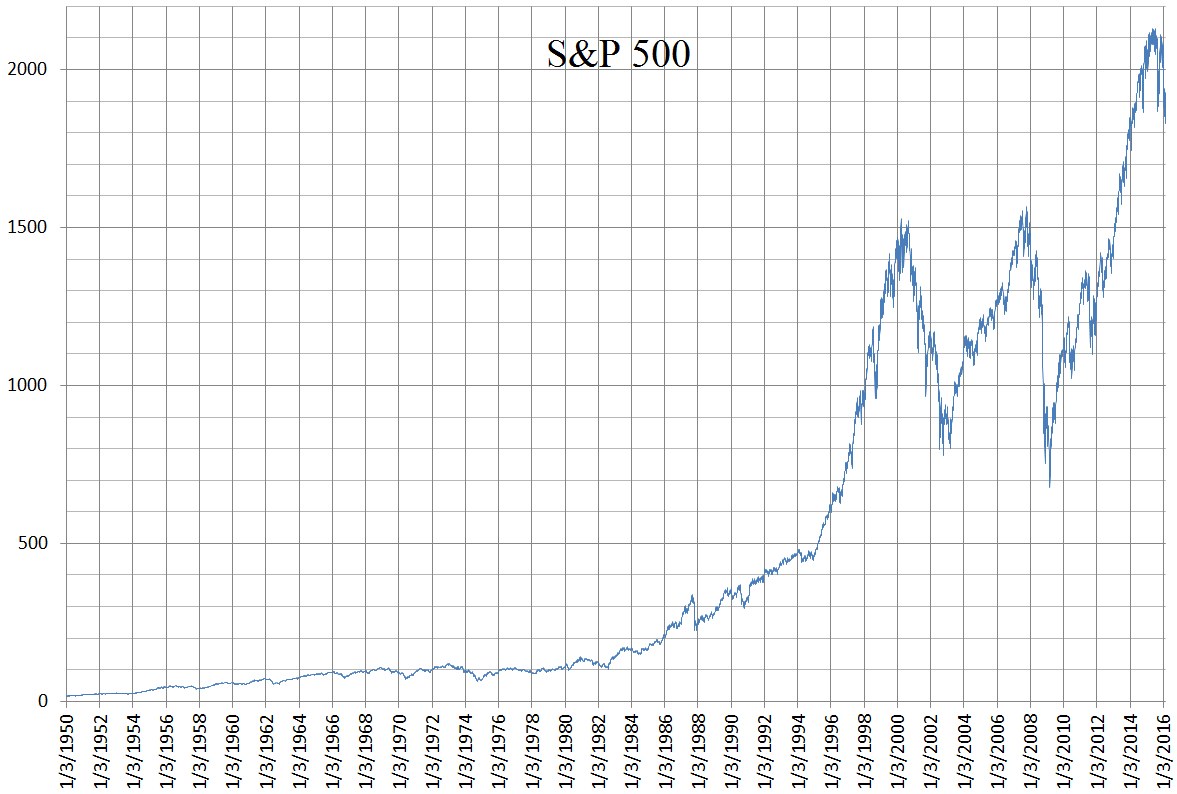
This is the week that could define summer markets. After a blistering May that saw the Nasdaq Composite surge 8% to fresh all-time highs and the S&P 500 close at record levels on Friday, all eyes now turn to the Labor Department's May employment report — the single most consequential macro data point between now and the Federal Reserve's June 17-18 FOMC meeting.
Economists surveyed by Bloomberg expect nonfarm payrolls to rise by 185,000 in May, with the unemployment rate holding steady at 4.1% and average hourly earnings rising 0.3% month-over-month. But as any seasoned trader knows, the whisper numbers and Fed-watcher surveys tell a more nuanced story — one where the margin for error is razor-thin.
The Bull Case: A Goldilocks Number
A print between 150,000 and 200,000 would hit the sweet spot — strong enough to signal a resilient economy but soft enough to keep the Fed on track for a rate cut in the second half of 2026. Markets would likely interpret this as validation that the soft landing is intact. In this scenario, look for the S&P 500 to test the 5,350 level, with growth stocks and mega-cap tech leading the charge. Rate-sensitive sectors like homebuilders (DHI, LEN) and regional banks (KRE) could see outsized gains as Treasury yields drift lower.
The Bear Case: Hot Jobs, No Cuts
A print above 250,000 would be problematic. The Fed has repeatedly said it needs to see sustained cooling in the labor market before it can begin an easing cycle. A hot number would dash hopes for a September rate cut and could even revive tapering fears. The 10-year Treasury yield, which recently dipped below 4.40%, could spike back above 4.50%, hammering duration-sensitive tech stocks. The Cboe Volatility Index (VIX), which has been suppressed near 14, could snap back toward 20. Oil already suffered its biggest monthly drop since 2020 in May — a strong jobs number could add another layer of complexity by keeping the dollar elevated and suppressing commodity prices further.
The Ugly Case: Weak Jobs, Recession Fears
A miss below 100,000 would reignite recession fears, even if it increases the probability of aggressive rate cuts. The market would initially rally on rate-cut expectations, but the enthusiasm could fade as the reality of a slowing economy sets in. Defensive sectors — healthcare, utilities, consumer staples — would likely rotate into favor, while cyclicals and small-caps could get crushed. This is the kind of number that triggers a bad news is good news rally that eventually turns into a rout.
What the Data Is Already Telling Us
Initial jobless claims have been trending slightly higher, averaging 235K over the past four weeks compared to 220K earlier in the spring. The JOLTS survey showed job openings falling to 7.4 million in April, the lowest level in over three years. These are mixed signals — the labor market is cooling, but from a position of historic strength. The Atlanta Fed GDPNow model recently trimmed Q2 GDP tracking to 2.3%, suggesting the economy is still growing at a solid clip.
Sector-by-Sector Impact
Mega-cap tech (NVDA, AAPL, MSFT): Most sensitive to the rate narrative. A soft number catapults them higher. A hot number triggers profit-taking.
Defense (LMT, NOC, RTX): Largely immune to jobs data. These stocks are playing a multi-year geopolitical cycle that supersedes any single macro print.
Cybersecurity (CRWD, PANW, ZS): Similarly insulated. Enterprise spending on cyber is non-discretionary in the current threat environment.
Quantum computing (IONQ, RGTI): High-beta plays that would get crushed in a risk-off environment but soar in a dovish Fed scenario.
The China Wild Card
We'd be remiss not to mention the external factors. Chinese luxury spending is rebounding, signaling a stabilization in the world's second-largest economy — a tailwind for global growth that could complicate the Fed's calculus if commodity prices reflate. Meanwhile, oil's 10% monthly drop is already doing the Fed's work for it, acting as a natural disinflationary force that should cool headline CPI in the months ahead.
The Signal Take
The May jobs report is a genuine three-way inflection point. Our base case is a print in the 150K-200K range that keeps the soft-landing narrative alive — bullish for equities, especially mega-cap tech and rate-sensitive names. But we're watching the whisper numbers closely. If the whisper is hot, we'd trim exposure to extended growth stocks ahead of the release. If it's soft, we'd add exposure to regional banks and homebuilders.
Either way, buckle up. The next major market catalyst is here.
Disclaimer: This content is for informational purposes only and does not constitute financial advice. The Signal is not a registered investment advisor. Past performance is not indicative of future results. Always conduct your own due diligence before making investment decisions.