If modern air combat has an equivalent to the smartphone, it is not the operating system. It is the handset. The algorithms get the magazine covers, but somebody still has to build an aerodynamic jet body that can withstand four hundred knots, carry munitions, and survive without breaking the treasury.
Kratos Defense & Security Solutions builds the cheap, expendable flying hardware of modern warfare. The company sells jet-powered target drones, tactical uncrewed aircraft, and small turbojet engines to the military. It also provides rocket systems, microwave electronics, and satellite ground software across its core government business. Think of Kratos as the airframe-and-engine builder betting that the scarce input in robotic warfare is not the algorithm, but an aircraft cheap enough to buy by the hundred. In the company's own words, affordability is a technology.
That proposition faced a harsh reality check this summer when the U.S. Air Force awarded its first Collaborative Combat Aircraft production contracts to Anduril and General Atomics. Kratos was shut out of the American military's headline drone effort, having already lost a separate sensor-drone competition. The future of its flagship XQ-58 Valkyrie airframe seemed stuck on the sidelines.
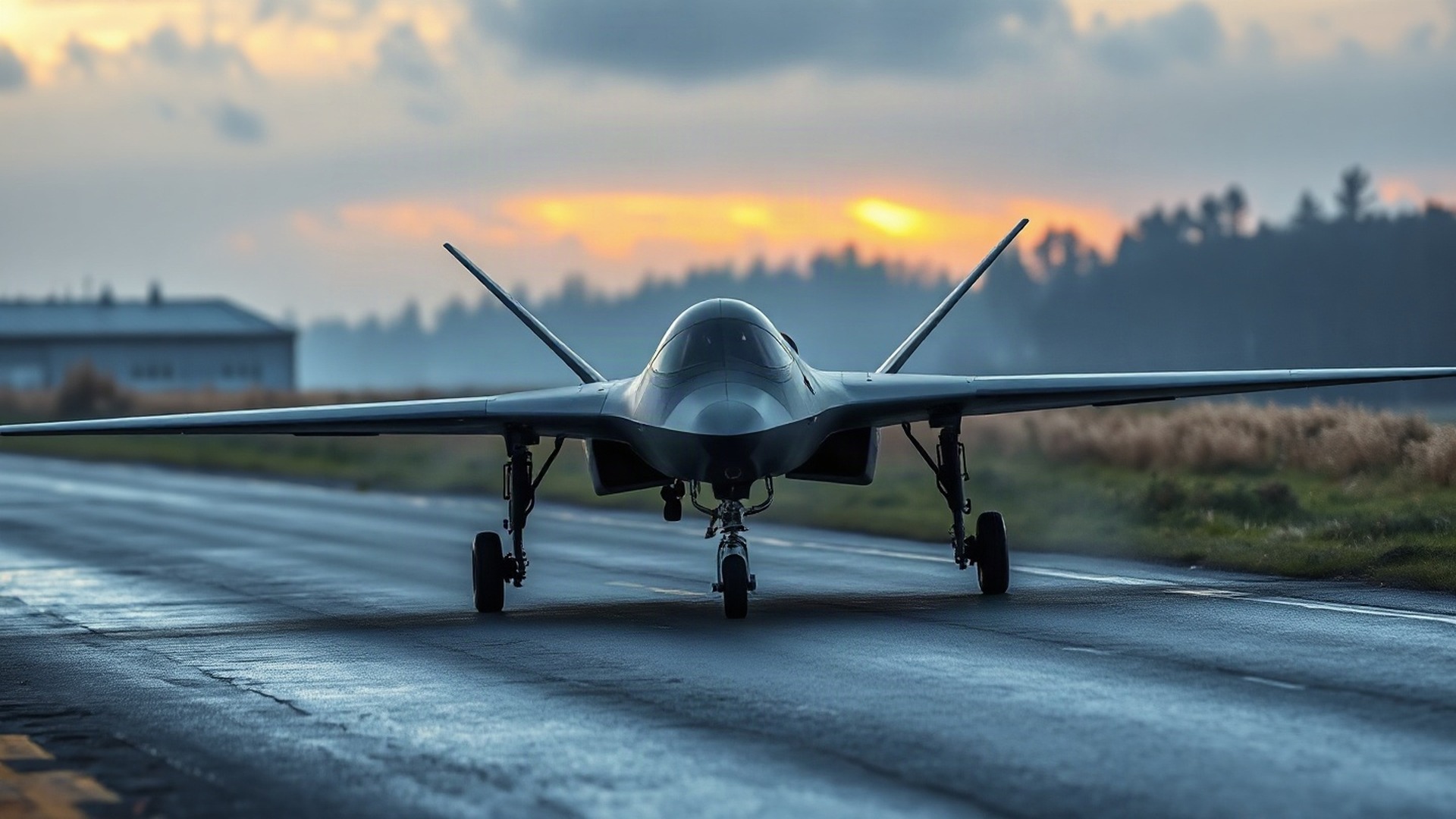
Now, Europe has handed the platform a second act. On Oct. 12, Kratos and Airbus announced the maiden European flight of the U740-Valkyrie at a test facility in Northern Europe. Airbus installed its own multi-platform autonomous software, dubbed MARS, to serve as a sovereign European brain. The modified jet executed a rocket-assisted launch without a runway, reached speeds of Mach 0.8, and adjusted mission parameters in mid-flight. The partners aim to deliver an operational drone to the German armed forces and other European allies by 2029.
| Price LIVE | $42.36 |
| Market Cap | $7.9B |
| Forward P/E | 38.0x |
| Total Revenue (TTM) | $1.52B |
| 52-Week Low | $40.93 |
| 52-Week High | $134.00 |
| Analyst Consensus | Strong Buy (22 analysts) |
| Analyst Target Mean | $100.50 |
Airbus Defence and Space chief executive Mike Schoellhorn said air forces require affordable combat mass today, arguing that pairing Kratos's proven airframe with European mission systems delivers a robust system by decade's end. Kratos president and CEO Eric DeMarco called the European flight an amazing success.
The division of labor tells you everything about where Kratos fits in the broader defense ecosystem. Northrop Grumman is already integrating its autonomy software on Kratos airframes for the U.S. Marine Corps. With Airbus running the software for Germany, Kratos is settling into a distinct identity. Partners supply the artificial intelligence; Kratos supplies the metal, the wings, and the thrust.
That thrust business is expanding quickly behind the scenes. Kratos confirmed successful launches of its proprietary TDI-J85 Spartan turbojet engine from rails, pallets, and ground containers. With three thousand engine components ordered for next year, Kratos is targeting annual production of more than ten thousand small engines by 2029. The ambition is to power low-cost cruise missiles, decoys, and drones at a scale traditional aerospace primes cannot match.
For the stock to re-rate, however, these flight milestones must turn into committed production budgets. Kratos trades at an aggressive growth valuation, yet its high-profile drone segment accounts for just 17% of total revenue. That unmanned unit grew only 8.1% organically last quarter, leaving that segment's backlog essentially flat. Rocket systems and microwave components currently carry the growth load. Right now, the equity is pricing in a robotic air fleet that European governments have not actually purchased yet.
A dedicated short-seller would tell you that Kratos is being relegated to a low-margin subcontractor. The Pentagon handed the premier drone wingman programs to rival upstarts, leaving Kratos to build hardware for primes who capture the lucrative software economics. Meanwhile, the company remains cash-hungry. Operations used nearly $129 million in free cash flow over the past twelve months, and management anticipates another cash burn between $85 million and $105 million this year as capital spending ramps up. To finance these factory expansions, Kratos sold new shares earlier this year, diluting investors by roughly 11%. With the equity having shed roughly two-thirds of its value since its January peak, shareholders absorbed dilution right into a severe drawdown.
If European defense ministries treat the U740 as a permanent science experiment rather than a funded program of record, the bear case wins outright. The hardware builder takes all the operational risk while someone else programs the glory.
Management delivers third-quarter earnings in early November alongside its initial outlook for next year. We are watching whether drone revenue can accelerate beyond its single-digit crawl, how rapidly capital expenditures ease back toward positive cash flow, and whether Berlin steps forward with a formal purchase contract.
Disclosure: The Signal holds no position in KTOS. Positions may change. This is not financial advice.