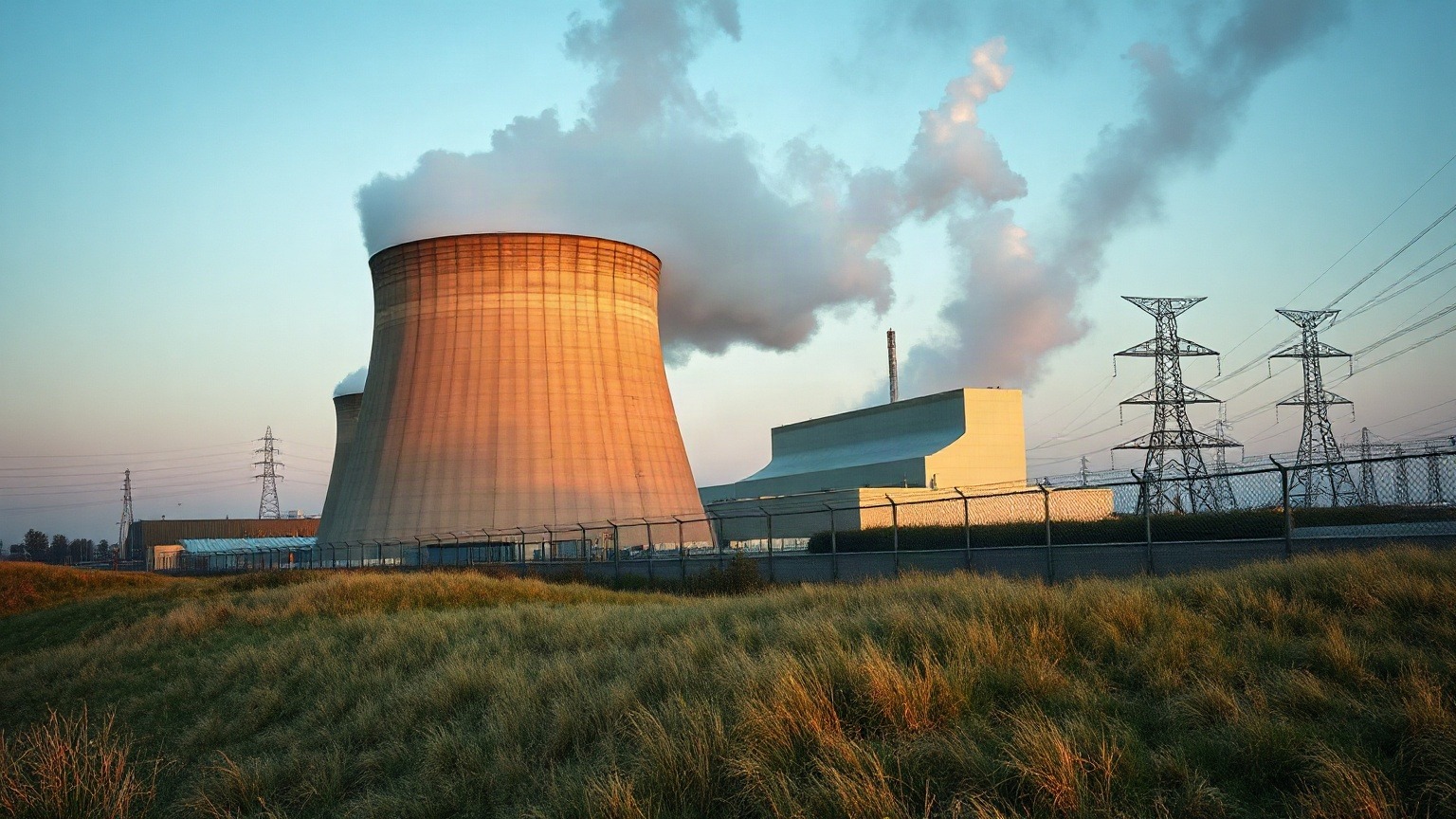
Imagine announcing the biggest international deal in company history, only to watch your stock tumble roughly 16% before the closing bell. That was Bloom Energy's reality on November 5. The fuel-cell pioneer announced a 900-megawatt order with NTT Global Data Centers, structured to scale toward a gigawatt across international sites. Yet Wall Street looked the other way.
A Democratic sweep in the American midterm elections sparked panic that new data centers will face tighter environmental reviews. The tech-heavy Nasdaq dropped 5.5% in its worst session since April 2025. Roughly $2.5 trillion in market value vanished, and traders dumped Bloom alongside the rest.
| Price LIVE | $173.24 |
| Market Cap | ~$51.2B |
| Forward P/E | 32.5 |
| Total Revenue (TTM) | $3.83B |
| 52-Week Low | $75.70 |
| 52-Week High | $351.28 |
| Analyst Consensus | Buy (29 analysts) |
| Analyst Target Mean | $283.85 |
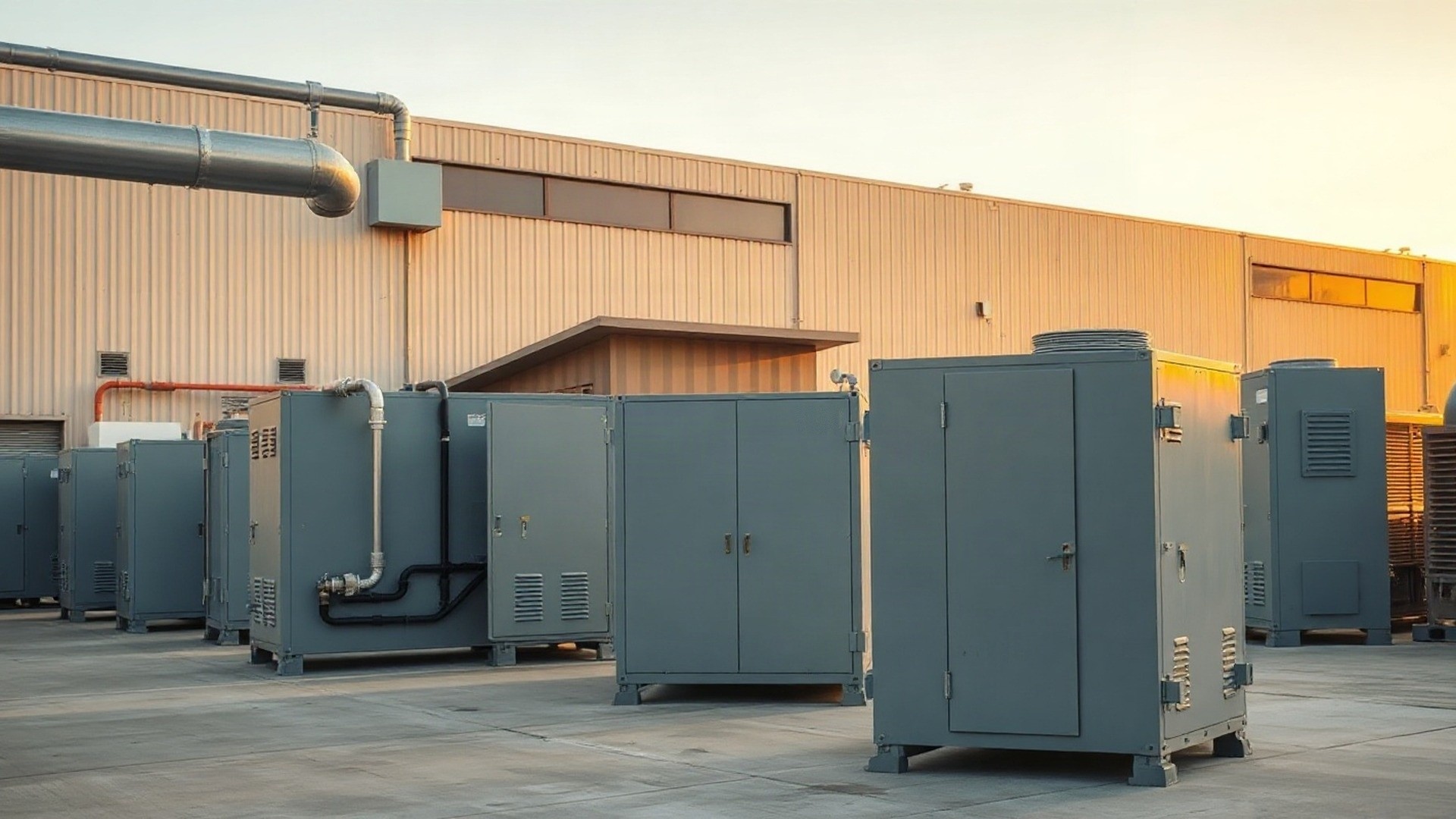
The selloff ignored what Bloom actually does. The company manufactures solid-oxide fuel cells, branded as Energy Servers. Picture heavy shipping containers packed with ceramic cells that convert natural gas into electricity through an electro-chemical reaction. There is no combustion.
That means you get far less smog-forming pollution and use virtually no water. You bolt these modular units onto a concrete pad right outside a data center, and it is the energy equivalent of downloading your favorite Spotify playlists before a long flight. You simply stop caring whether the cabin Wi-Fi works.
That independence is gold because the AI sector has hit a brick wall. Chips are no longer the binding constraint; power is. A cloud hyperscaler can order thousands of high-end processors today. Yet waiting for an electrical utility connection takes three to five years.
In Northern Virginia, grid waitlists stretch up to seven years. The regional PJM interconnection queue runs about 40 months. Bloom sells the hardware that lets developers skip that line entirely.
Here is the twist the market missed. Traditional infrastructure developers suffer when utility connections stall out. Bloom gets more attractive. When grid access slows down, putting your own power plant in the parking lot looks brilliant.
Meta leadership warned that starting US data center construction will be challenging, and analysts estimate nearly 30% of planned 2028 capacity could face delays. But every added regulatory hurdle makes off-grid generation more urgent. Bloom is not a victim of the utility queue. Bloom is the bypass.
The incoming pipeline shows how badly big tech wants that workaround. The 900-megawatt NTT deal alone equals 60% of everything Bloom has deployed in its history. That follows a master agreement with Oracle for up to 2.8 gigawatts, alongside a separate 2.45-gigawatt plan for Project Jupiter in New Mexico.
American Electric Power is also tapping Bloom for a 702-megawatt project in Wyoming to power a Google campus. Meanwhile, Brookfield expanded its financing partnership to $25 billion. To feed this appetite, Bloom is expanding its Fremont, California plant from one gigawatt to two gigawatts of annual capacity by year-end. Each added gigawatt costs just $100 million to $150 million.
Yet short sellers have plenty of ammunition, and their case is blunt. Bloom's order book remains overwhelmingly American, with the US accounting for 81% of revenue last year. If domestic construction slows, foreign orders cannot quickly pick up the slack. Customer concentration is alarming: two clients generated 69% of third-quarter revenue, and one is a related party.
Environmental pushback is mounting too. Bloom's units still consume fossil gas. Texas regulators paused new data-center air permits in September, a freeze that also blocks Bloom's own equipment permits in the state. Add capital costs that reach up to $8,300 per kilowatt, and the power is undeniably expensive. If Morgan Stanley's forecast of 2.1 gigawatts in 2027 shipments slips, the stock's multiple of roughly 13 times sales will deflate fast.
That brings us to why this matters for the equity. Bloom trades at an aggressive growth multiple, down roughly half from its summer high but still up about 93% this year. To justify that price, the company must prove it can deliver hardware without burning through cash.
Third-quarter revenue surged 138% to $1.236 billion, but free cash flow burned $181 million on heavy capital expenditures. Re-rating higher requires proving that international deals like NTT can diversify the customer base while keeping gross margins near the guided 34%.
What we are watching next is the Project Jupiter permit hearing on December 7. A green light there would prove on-site fuel cells can clear the political hurdles currently paralyzing traditional utilities. The market treated Bloom like just another casualty of the power grid crisis. In reality, Bloom's entire business exists because the grid is broken.
The Signal holds no position in BE. Positions may change. This is not financial advice.