Vistra Corp. just sold twenty years of Texas electricity to a data center campus with no tenant yet. Wall Street shrugged.
That shrug is the story. Vistra makes and sells electricity: about 44,000 megawatts of gas, nuclear, coal, solar and battery plants, and roughly 5 million retail customers, many of them under the TXU Energy name.
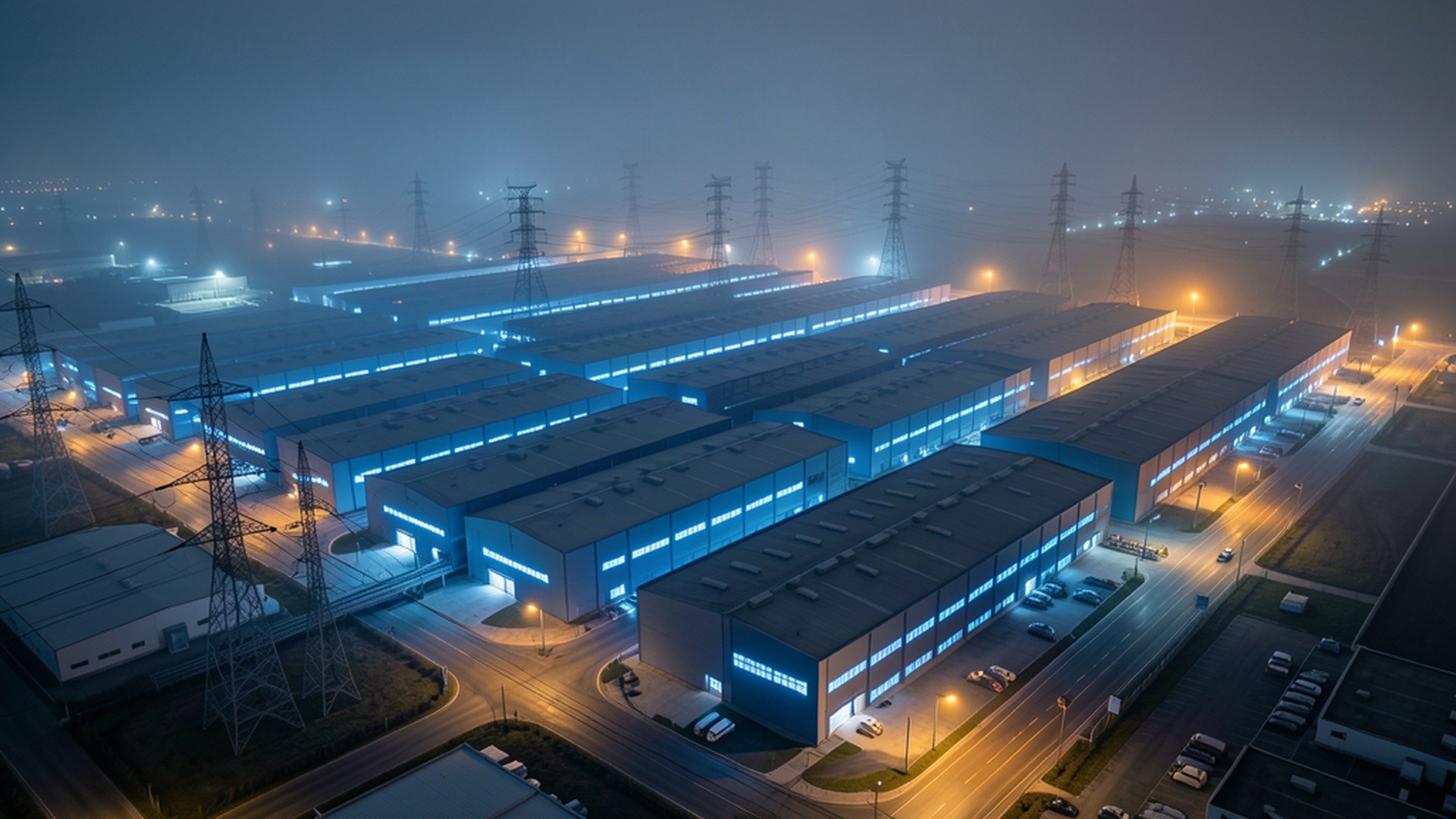
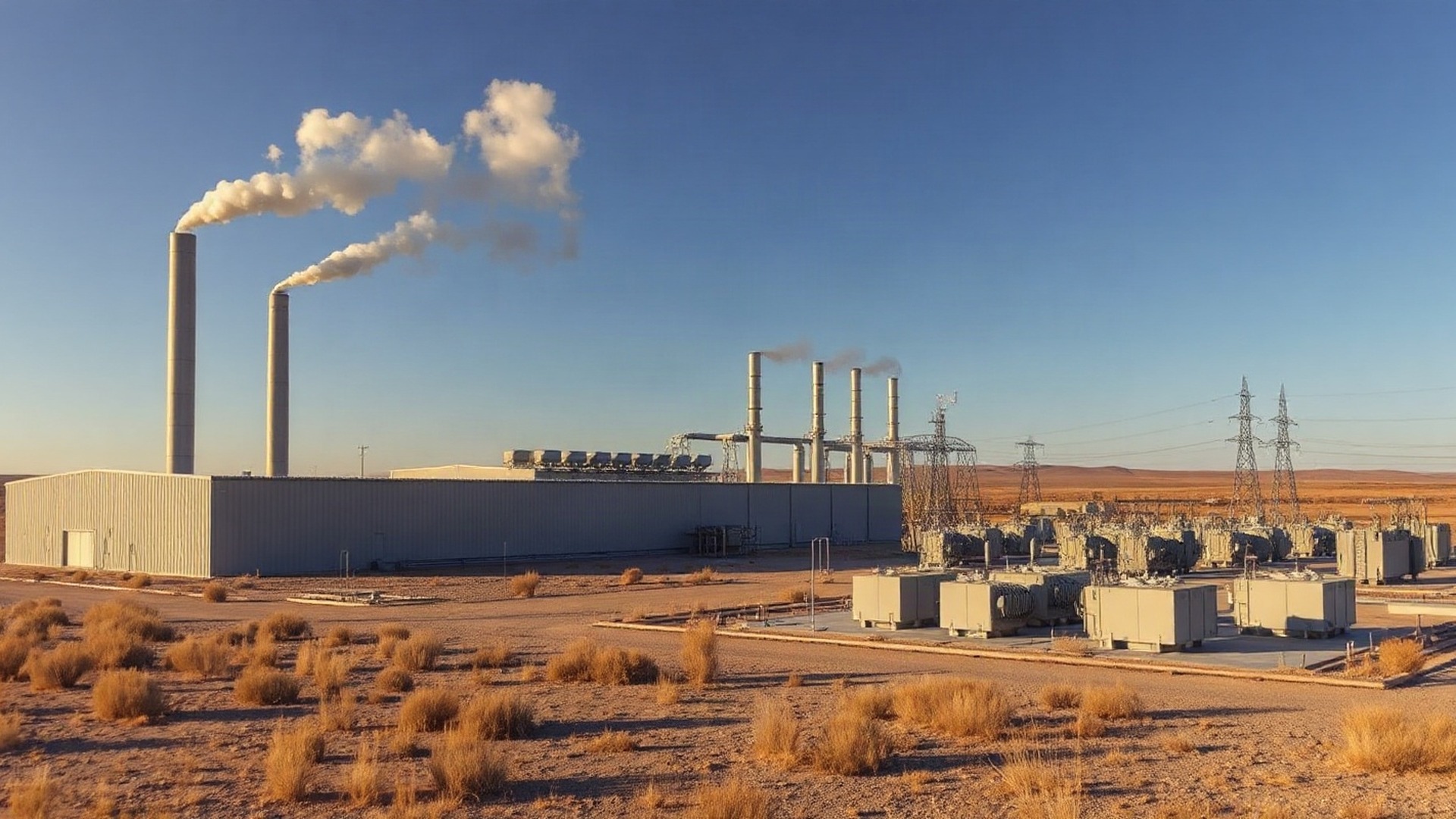
On September 21, an affiliate agreed to supply New Era Energy & Digital with as much as 207 megawatts over 20 years from Vistra's 1,180 MW Odessa plant in Ector County, Texas. The power feeds a 493-acre data center campus next door. New Era's stock jumped. Vistra's barely budged.
| Price LIVE | $140.41 |
| Market Cap | $47.1B |
| Forward P/E | 13.55 |
| Total Revenue (TTM) | $19.21B |
| 52-Week Low | $132.66 |
| 52-Week High | $217.10 |
| Analyst Consensus | Strong Buy |
| Analyst Target Mean | $217.58 |
First, the electrons. The nuclear slice is the scarce part: Comanche Peak in Texas, plus Beaver Valley, Perry and Davis-Besse in PJM.
Much of that nuclear capacity is already spoken for. Amazon holds a 20-year deal, with options to stretch it to 40, for 1,200 megawatts from Comanche Peak. Meta holds 20-year deals across Perry, Davis-Besse and Beaver Valley for 2,609 megawatts, uprates included. That is 3,809 megawatts locked in for two decades.
The Odessa contract runs the same playbook, with sharper terms. Power is expected to flow in the third quarter of 2027, and the 20-year term renews automatically. New Era posts a $116 million letter of credit, plus up to $82.8 million more tied to substation build-out.
Then come the kickers. Once delivery starts, New Era's project company must issue Vistra non-voting equity worth 5% of the fully diluted total. Vistra also gets a right of first refusal starting April 2028 over any generation New Era builds onsite. And it gets a five-year right of first offer on the developer's future power and battery projects.
Power, not chips, is the binding constraint on AI. Texas is weighing more than 474 gigawatts of interconnection requests, most of them data centers. That is more than five times the state's record peak demand. Everyone argues about who builds the engine. Vistra owns the socket and the meter.
The generators already holding those interconnection positions are the ones who can say yes. That is why this is a stock story, not a megawatt story.
Merchant power gets priced off the forward curve. Contracted power gets priced off visible cash flow. Every 20-year deal moves megawatts out of the first bucket and into the second. Vistra has now moved 3,809 megawatts of hyperscaler load, plus 207 more at Odessa.
A phone plan with a locked monthly rate feels different from one that re-prices at the carrier's whim. Investors pay up for the fixed plan.
The number that flips the multiple is the 2027 Ongoing Operations Adjusted EBITDA midpoint: $7.4 billion to $7.8 billion. Vistra reaffirmed that range in August instead of raising it, and it excludes Cogentrix and the Meta contracts.
Vistra trades near 13.5 times forward earnings against about 23.7 times trailing, and it sits about a third below its 52-week high and near its low. The 19-analyst consensus is a strong buy, and the average target sits more than half again above the market price.
So is the market pricing this right? Not on these numbers. It is pricing the ERCOT merchant curve and a Texas political backlash. It is not pricing a company that keeps converting merchant capacity into 20-year cash flow.
The bear case writes itself, and it starts in Austin. Governor Greg Abbott ordered a full audit of ERCOT's data center queue in August, then halted new data center permits at the state environmental regulator. ERCOT paused energizing approvals for loads of 75 megawatts and up, and its preliminary Batch Zero review excluded 373 projects. Vistra is about 94% hedged for 2027, so the curve damage lands on the unhedged sliver and on 2028, where only 72% is locked. The buyer is a small developer with no tenant signed, secured only by a $116 million letter of credit and up to $82.8 million more. Stack that next to $19.9 billion of debt and $1.5 billion of junior subordinated notes due 2057 at 7.000% and 7.250%, and the marker is a 2027 midpoint below $7.4 billion.
What we're watching: the contracted megawatt count, whether a hyperscaler-scale tenant lands at Odessa, and whether the next quarterly update lifts the 2027 midpoint.
One 207-megawatt deal is a rounding error. A fleet that signs them twenty years at a time is a different kind of company, and it will not stay priced like a merchant forever.
Disclosure: The Signal holds no position in VST. Positions may change. This is not financial advice.