
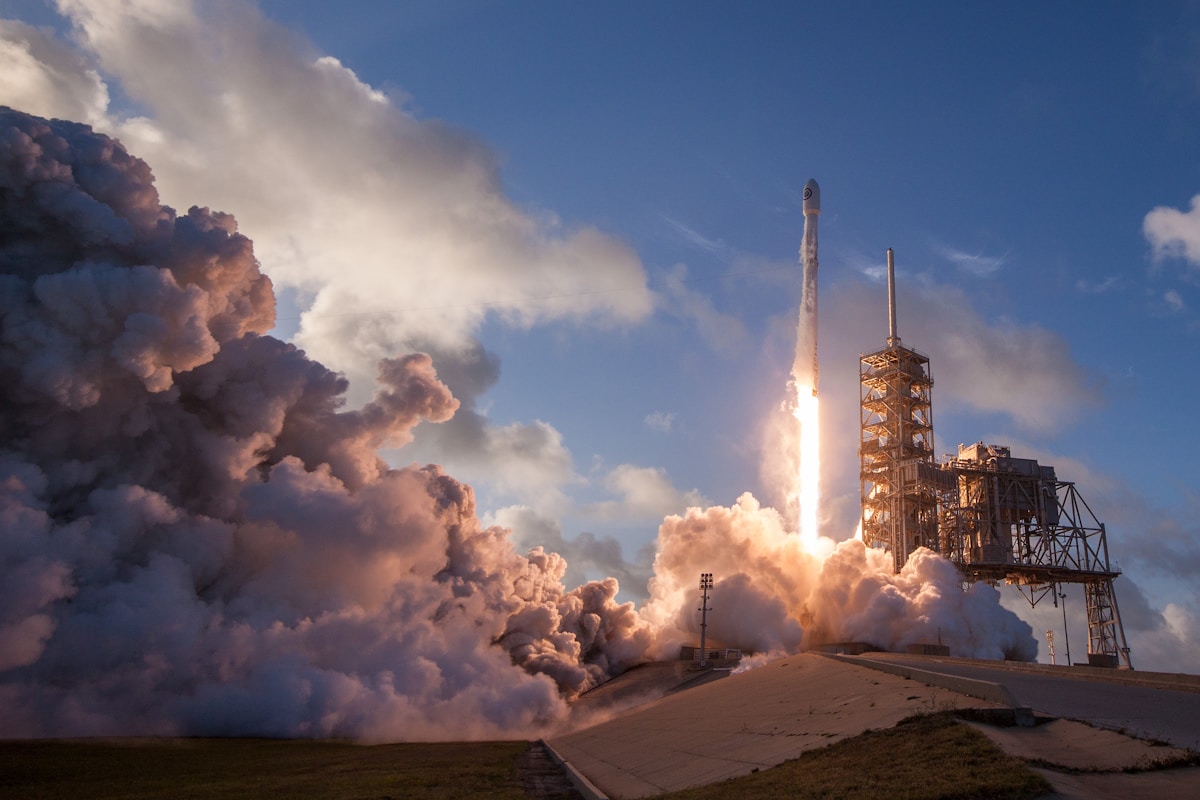
SpaceX hit the public market on June 12, and if you blinked, you might've thought it was a rocket launch — because the thing took off. But here's what almost nobody is talking about in the mainstream coverage: only 5% of the company's shares actually hit the float. That's it. Five percent.
So that post-IPO spike you saw? That wasn't the market saying SpaceX is worth that much. That was a scarcity premium — pure and simple. A handful of shares fighting for attention from millions of eyeballs. It's not a valuation signal. It's a supply-and-demand flex.
The other 95% of shares? Locked up tighter than a Dragon capsule's hatch. They're sitting in cold storage, waiting for their unlock dates. And those dates matter way more than the opening pop ever did.
There are three groups holding the keys, and they all get out at different times.
Elon Musk's shares are locked for 366 days. That means June 2027 before he can touch a single share. The richest guy on earth is sitting on the sidelines like the rest of us for a full year. That tells you something about conviction — or at least about the terms of the deal.
The VC and early backer crowd — the folks who wrote checks when SpaceX was still a meme in aerospace circles — they get the first real unlock. After Q2 earnings drop, they can sell up to 20% of their position. And here's the kicker: if the stock holds 30% above the $135 IPO price for at least 5 of the 10 trading days following earnings, they unlock a 10% bonus — making it 30% total. It's structured so these early believers get rewarded if the retail crowd holds the line.
Employees are on a different schedule entirely. Their shares unlock in 7% chunks at set intervals. By December 8, they're fully free. That's when your buddy who's been coding Falcon guidance systems for five years can finally cash out his equity without restrictions.
Now let's talk about what happens to supply — because this is where the real game lives.
Late July and August? The float doubles. VCs testing the waters, employees taking their first bites. September rolls around and the float has grown 6x from IPO day. By October, roughly a third of all locked shares are free to trade. That's a lot of shares hitting the market.
But here's the thing — and this is the part the doomsayers miss — this thing isn't crashing. Index funds are a massive hidden bid. The moment SpaceX IPO'd, every major fund that tracks the market started building a position. They don't care about $135 or $150 or $200. They have to buy SpaceX because their mandate says so. That's hundreds of millions in forced buying, week over week.
Plus, a huge chunk of those pre-IPO holders have restrictions that keep them from dumping day one. Insiders, strategic partners, early employees with legacy stock — they can't just fire-sale the moment the lock expires. There are volume limits, blackout windows, and good old-fashioned tax consequences keeping the selling orderly.
So what's the play if you're not already in?
| Timeline | What Happens | Your Move |
|---|---|---|
| June 12 — July 2026 | IPO hype. Float under 5%. Institutional and retail demand crushing scarce supply. | Stay out. Scarcity drives the price, not fundamentals. |
| Late July — Early Aug | Q2 earnings drop. First VC tranche unlocks. Float roughly doubles. | Watch for post-earnings dip. First real price discovery. |
| Late August | VC selling shakes out early sellers. The hype premium fades. | Start small. Deploy ~15% of planned capital. |
| September | 7% employee tranches keep unlocking. Float grows 6x from IPO day. | Add steadily. Dollar-cost average weekly as supply builds. |
| October — November | ~33% of total shares now tradable. Steady insider selling. | Build core position. The accumulation sweet spot. |
| December 8, 2026 | All employee lockups expire. Biggest supply wave of the year. | Buy aggressively if price drops. Deep-value target. |
| January — May 2027 | Market absorbs supply. Index fund buying provides a floor. | Deploy remaining capital. Transition to monitoring. |
| June 13, 2027 | Musk's 366-day lockup expires. The final unlock. | Hold long-term. Artificial supply pressure is over. |
By February 2027, the picture's clear. Either the stock found its floor and the institutions have stacked in, or Elon's unlock in June 2027 is the next major catalyst to watch. Either way, you played the supply curve instead of chasing the headline.
SpaceX is a generational company. But even generational companies have messy first-year price action. Don't confuse the IPO pop with the real story. The real story is what unlocks — literally — over the next twelve months.