Imagine this for a second: you're the Pentagon. You need a new stealth bomber — the first in 30 years. There's exactly one company that can build it. You need to replace every single ICBM in America's nuclear arsenal. Again, one company — same company. You need space-based missile warning satellites, hypersonic interceptors, the sensor backbone of Golden Dome. And yeah — same company.
That's not a hypothetical. That's Northrop Grumman. And if you're not paying attention to what that means for the stock, you're missing the most concentrated strategic moat in all of defense.
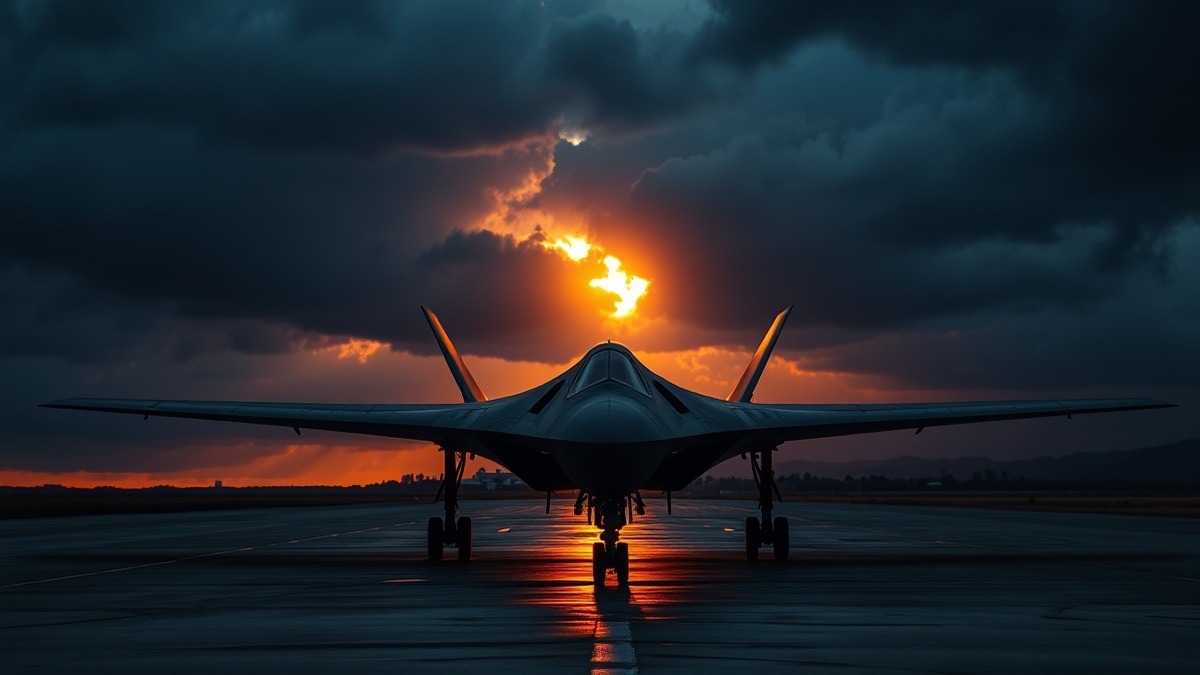
Let's start with the B-21 Raider, because that's the sexiest part of this story. In February 2026, Northrop signed a $4.5 billion production acceleration deal with the Air Force. That's real cash to speed up the assembly line, buy long-lead materials, and push the bomber toward operational fielding in 2027. We're talking about a fleet targeting 100 bombers — each one a flying fortress of stealth technology and nuclear capability that only Northrop can build. The B-2 ran for decades. The B-21 will run longer. That's decades of sole-source revenue you can practically set your watch to.
Now the Sentinel ICBM. You've heard the headlines — cost overruns, Nunn-McCurdy breach, the whole drama. But here's what the market's missing: that drama is in the rearview. The restructure is done. The program is back on track. Northrop is replacing all 400 Minuteman III missiles sitting in silos across the Great Plains, and there is literally no other contractor who can do it. $140.9 billion program. Sole prime. That's the land leg of the nuclear triad, and Northrop owns every inch of it.
So do the math. The B-21 covers the air leg. Sentinel covers the land leg. That's two of the three legs of America's strategic nuclear deterrent — and Northrop is sole-source on both. The third leg is the sea — the Columbia-class submarines that General Dynamics builds. But Northrop? It's got every nuke that flies over land or launches from a silo. That's not a position. That's a structural birthright.
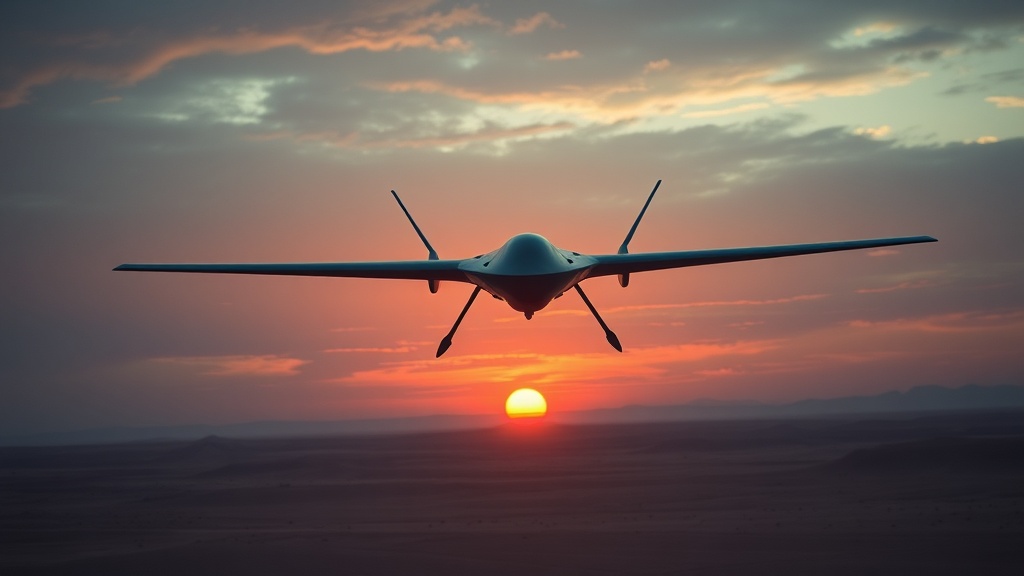
And it's not just the nukes. Northrop's Space Systems segment is having its own quiet renaissance. JWST is delivering breathtaking science. National security satellites are launching on a regular cadence. The Glide Phase Interceptor — a hypersonic weapon-killer — is in advanced development. And Golden Dome, the administration's missile defense shield, just got a $10 billion-plus boost that flows straight into Northrop's sensor and interceptor programs. Space was the laggard for a while. It's not anymore.
Now let's talk about the financials, because the narrative is nice but the numbers are better. $42.4 billion in trailing revenue with 4.4% year-over-year growth. A $95.7 billion backlog — that's over two years of locked-in revenue you can take to the bank. Free cash flow of $3.3 billion. Operating margins around 11.7%. And the thing about cost-plus contracts — which most of these programs are — is that they protect margins even when things go sideways. Cost overruns don't wreck Northrop the way they wreck a fixed-price contractor. The Pentagon pays the bill. That's the beauty of being the only option in the room.
Northrop's up about 29% year-to-date in 2026. Analysts have it as a consensus Buy with a mean target around $670. That's not a hot take — that's the street slowly waking up to what we've been saying: this is the most strategically irreplaceable company in American defense.
Compare it to the peers. Lockheed's bigger at $67 billion in revenue, but the F-35 is maturing into a production program, not accelerating. RTX does $80 billion but it's a parts-and-systems house — critical, sure, but replaceable at the margin on most programs. General Dynamics has the submarine franchise at $45 billion. Northrop sits at $42 billion with a growth trajectory that's actually accelerating — B-21 production ramp, Sentinel buildout, space expansion. Pure structural upside.
You don't need to be a defense analyst to see what's happening here. The world is rearming at a pace we haven't seen since the Cold War. America is committed to a nuclear modernization program that will run through the 2030s and beyond. And on two of the three legs of that triad, there's exactly one company that can do the job. Northrop Grumman.
It's not a trade. It's not even an investment thesis. It's just math. And the math says Northrop Grumman isn't going anywhere — and neither are its contracts.
Disclosure: The Signal holds no position in NOC. Positions may change. This is not financial advice.