In early trading on Friday's shortened post-holiday session, memory stocks caught a rare breather. Micron climbed roughly 2% after a steep pre-Thanksgiving slide, attempting to stabilize after falling roughly 45% from its October peak. But the morning bounce runs straight into an uncomfortable reality. For the first time in this multi-year AI cycle, industry researchers have stamped a hard expiration date on the boom.
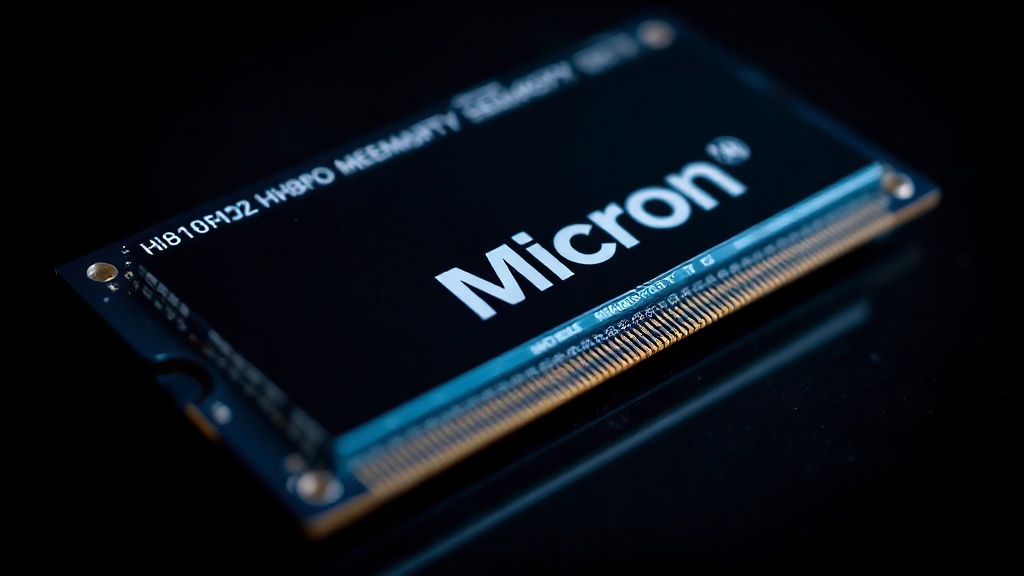
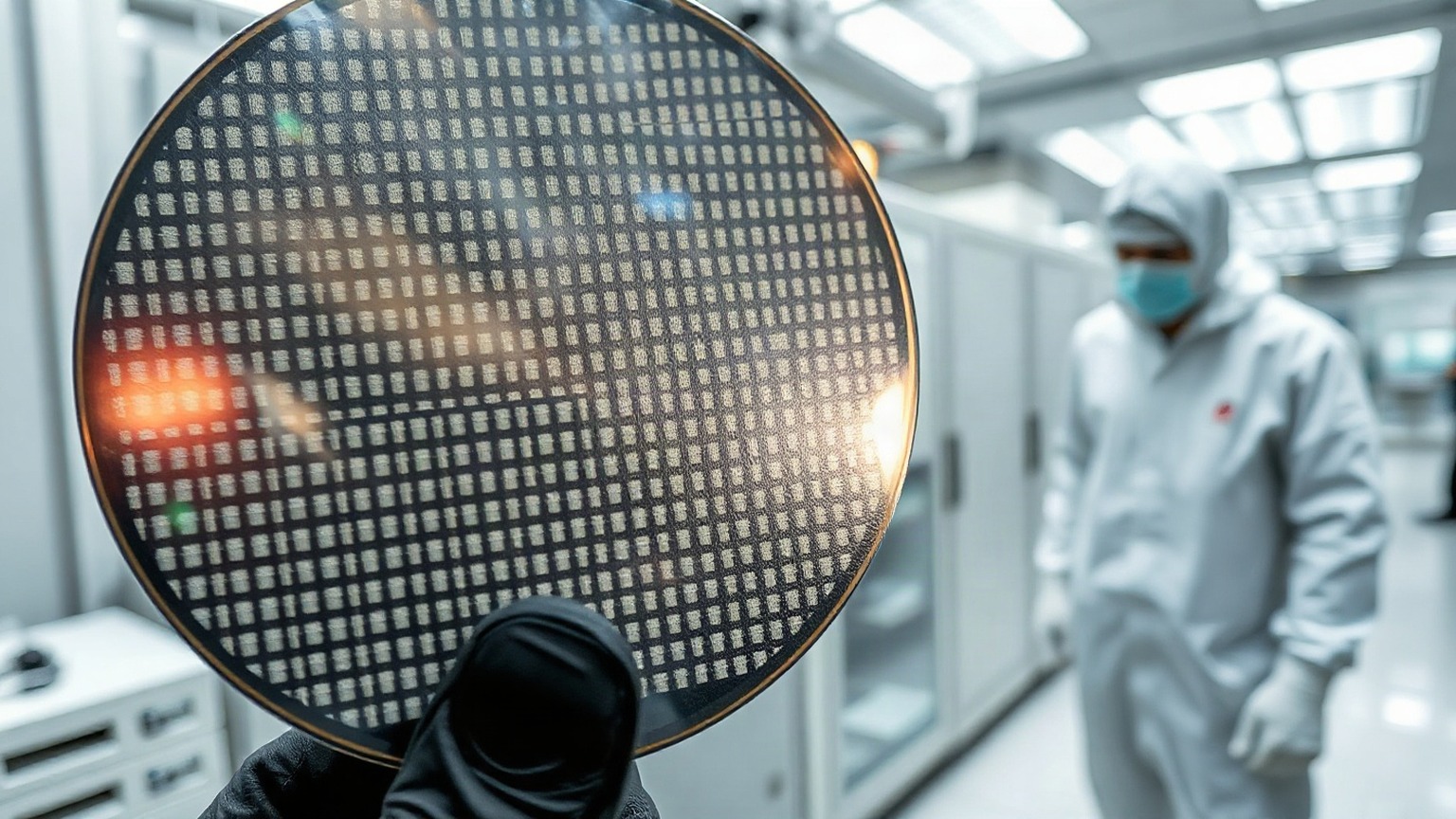
Based in Boise, Idaho, Micron is one of only three companies on earth capable of manufacturing advanced dynamic random-access memory, or DRAM, at commercial scale, alongside Samsung and SK Hynix. Think of an AI accelerator as an elite short-order cook: the processor does the frantic cooking, but Micron builds the prep counter right beside it. If data cannot sit inches from the chip, your expensive GPU turns into a very costly space heater. Alongside high-bandwidth stacks for AI servers, Micron churns out the NAND flash memory that saves your smartphone photos and powers solid-state computer drives.
Without these memory chips, the generative AI buildout stalls out cold. Cloud giants, PC assemblers, and automakers spent two straight years bidding memory prices higher to keep their data centers fed. That artificial squeeze fueled an unprecedented windfall, handing Micron $54.23 billion in fiscal fourth-quarter revenue and an 86.8% gross margin. Trailing twelve-month revenue touched $133.2 billion, generating $85.0 billion in net income. But memory remains a cyclical commodity, and commodity prices never stay at the summit forever.
| Price | $601.25 LIVE |
| Market Cap | $682.4B |
| Forward P/E | 2.9x |
| Total Revenue (TTM) | $133.2B |
| 52-Week Low | $221.69 |
| 52-Week High | $1,255.00 |
| Analyst Consensus | Strong Buy |
| Analyst Target Mean | $1,529.69 |
That summit now has a calendar date. Fresh research from industry benchmark TrendForce lays out the turn in black and white. In its base case, quarterly price hikes for conventional DRAM narrow through 2027, plateau in the second half, and flip into outright declines by early 2028. Its bear case is faster, projecting a price reversal as early as the fourth quarter of 2027. Chinese cloud providers have already trimmed server DRAM orders outside long-term pacts, signaling buyers are resisting record invoices.
That explains why memory has become the undisputed epicenter of the broader AI drawdown rather than an innocent bystander. Over the past month, Micron shares dropped roughly 37%, while peer SanDisk plummeted roughly 55%, Seagate dropped roughly 31%, and Nvidia shed about 32%. When investor sentiment on cloud infrastructure spending wobbles, the hardware closest to pure commodity pricing catches pneumonia first.
For the equity to mount a sustained recovery from here, contract prices cannot simply linger at historical highs; they must keep accelerating. Right now, Micron trades near 8x trailing earnings and roughly 3x forward earnings. Do not let that low forward multiple fool you into seeing an obvious bargain. It exists because Wall Street models roughly $205 in forward earnings per share, assuming peak pricing and tight supply last indefinitely. If contract prices roll over, that denominator collapses, instantly resetting a statistical 3x multiple closer to 10x on revised numbers.
The bear case says betting on permanent 87% gross margins ignores every historical law of semiconductor economics. Memory producers always oversupply their own peaks, and the taps are already turning. Global NAND capex is projected to jump 26.7% to $29.9 billion in 2027, lifting bit supply up to 30% just as hardware demand normalizes. DRAM bit output is also expanding through 2028. When memory cycles turn, profitability falls off a cliff; Micron spent its 2023 trough posting net losses, not mild discounts.
Bears do not need an AI bust; they just need prices to stop climbing. The marker that proves them right will be the first sequential drop in DRAM contract prices, or management guiding fiscal second-quarter revenue and margins below the December quarter.
Bulls, however, hold a cushion Micron never possessed during past cyclical busts. The balance sheet carries roughly $38 billion in net cash against just $5.2 billion in total debt, backstopped by $59 billion in trailing free cash flow and $138.4 billion in shareholders' equity. In previous busts, Micron diluted equity just to survive; today, it has the firepower to aggressively repurchase its own stock at deep discounts. Furthermore, TrendForce still projects conventional DRAM will stay undersupplied through 2027, keeping the most profitable half of the business shielded while NAND cools.
What we're watching next is Micron's fiscal first-quarter earnings report on Dec 17, where early 2027 contract commentary will show whether the peak is already arriving ahead of schedule. The memory trade is no longer running on vibes; it is racing against a ticking clock.
Disclosure: The Signal holds no position in MU. Positions may change. This is not financial advice.