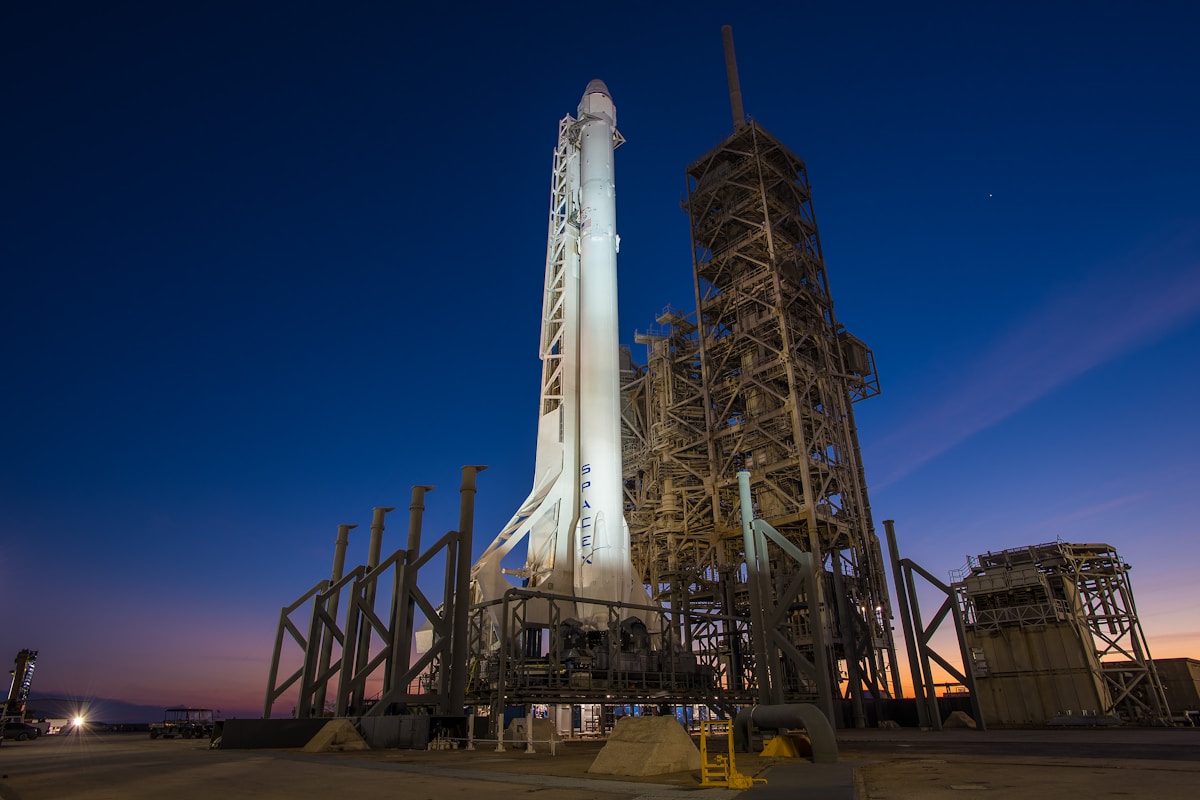
Public markets spent 2 years bidding up the companies selling picks and shovels for artificial intelligence. That trade fractured when Anthropic completed the largest initial public offering on record, surging 34% at the opening bell. It surrendered half of that pop by the close as the Nasdaq dropped 2.25% and the Dow fell below the 50,000 mark. In that same session, investors marked down the physical infrastructure underwriting the sector. Microsoft sits squarely at the center of that repricing.
In plain terms, Microsoft sells the foundational plumbing that corporate life depends on: Windows, Word, and Excel packaged into monthly Microsoft 365 subscriptions, alongside newer Copilot assistants. Much like an enterprise version of your Netflix or Spotify subscription, companies pay recurring fees per employee every month. Its most lucrative engine is Azure, the cloud network where businesses rent computing power and server storage by the second instead of purchasing physical hardware.
Azure has quietly established itself as the second-largest cloud infrastructure provider on earth, making Microsoft the primary anchor tenant of the entire AI buildout. Think of Microsoft as a regional utility erecting high-voltage transmission lines across a continent, betting that every factory will plug into its grid before the utility bill comes due. Azure is currently the only computing cloud carrying models from both OpenAI and Anthropic under long-term enterprise commitments. But maintaining that position requires buying more graphics processors and pouring more concrete than almost anyone else in corporate history.
| Price LIVE | $498.30 |
| Market Cap | ~$3.7T |
| Forward P/E | 24.9 |
| Total Revenue (TTM) | $346.4B |
| 52-Week Low | $349.20 |
| 52-Week High | $559.15 |
| Analyst Consensus | Strong Buy (58 analysts) |
| Analyst Target Mean | $636.12 |
The sheer weight of that infrastructure race emerged in Microsoft's fiscal first-quarter results for the period ended September 30, 2026. Top-line revenue increased 19% to $92.279 billion, operating margins held firm at 50%, and Azure revenue jumped 48% year over year to $33.165 billion. Yet free cash flow dropped 27% to $18.6 billion. The mechanism driving that split is pure cash accounting: cash flow equals operating earnings minus capital expenditures.
Microsoft directed $45.2 billion into capital spending in a single quarter, consuming roughly half of its total revenue. Quarterly cash capex has climbed from $19.394 billion in late 2025 to $39.367 billion in the latest period, bringing trailing twelve-month outlays to $136.1 billion. The cash machine that made Microsoft a generational compounder is now subordinate to the physical buildout.
That cash drain explains why public markets have steadily de-rated the equity. The shares trade at approximately 24.9 times fiscal 2027 consensus earnings, a multiple roughly 16% below their 5-year historical average, while lagging broader index benchmarks and sitting about 11% below their November high. To ignite a durable re-rating, Microsoft must prove that customer revenue will outrun capital intensity once new server farms open.
Management highlighted that third-party delivery delays held back Azure expansion during the quarter, indicating that near-term growth is supply-constrained rather than demand-starved. Commercial remaining performance obligations surged 73% to $677 billion. If that contracted backlog converts at Azure's customary margins, operating cash will absorb the spending and trigger a free cash flow inflection by fiscal 2028. If that conversion falters, Microsoft will be priced like a capital-heavy industrial utility rather than a software titan.
The short-seller case contends that an unavoidable depreciation wall will impair earnings long before that backlog can convert. While Microsoft booked $45.2 billion in quarterly capital outlays, it recognized only $11.1 billion in depreciation expense. Only 27% of gross property is depreciated across an accumulated base of $127.208 billion.
Because roughly 75% of current capex goes into short-lived chips and servers with 2- to 6-year lifespans, non-cash depreciation charges will compound relentlessly regardless of end-user demand. Off-balance-sheet liabilities heighten that risk: Microsoft carries $364.6 billion in data center leases signed but not commenced, alongside $35.7 billion in supplier component receivables. Reported results were also flattered by extending building depreciation schedules from 15 to 25 years and initiating voluntary buyout offers to 60,000 employees. Above all sits counterparty concentration: OpenAI generated 10.8% of quarterly revenue and accounts for $7.2 billion in receivables. If OpenAI stumbles or tests public markets at a lower multiple, Microsoft's backlog and equity marks face immediate write-downs.
The critical metric to monitor over the next 6 months is fiscal second-quarter capital expenditure, where management guided total capex to surpass $50 billion on the path to roughly $170 billion for calendar 2026. That milestone will reveal whether corporate demand can outpace infrastructure costs before free cash flow contracts further. The era of evaluating Microsoft as an asset-light monopoly has come to an end.
Disclosure: The Signal holds no position in MSFT. Positions may change. This is not financial advice.