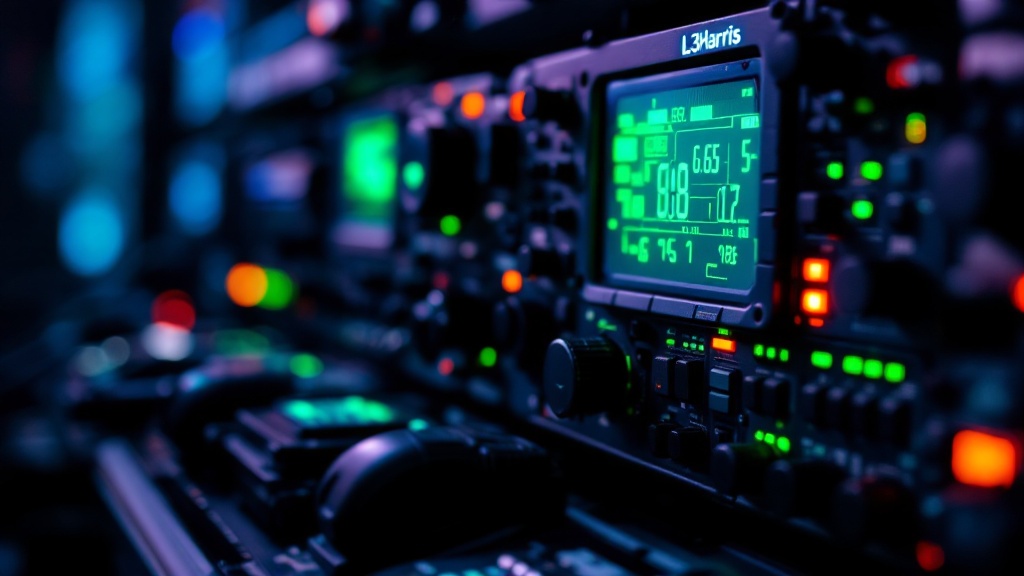
Copper wire has hit a physical wall. When thousands of artificial intelligence chips try to talk to each other inside a modern data center, traditional copper cables turn into space heaters. They burn too much power and lose signal strength over just a few feet.
The only way out is optics, swapping copper electrical pulses for beams of light. Marvell Technology designs the electronic nervous system that moves that data around. It sells custom computing accelerators to cloud giants, Ethernet switching silicon, and the specialized processors that steer optical links. In its most recent quarter, data center chips generated 79% of its sales.
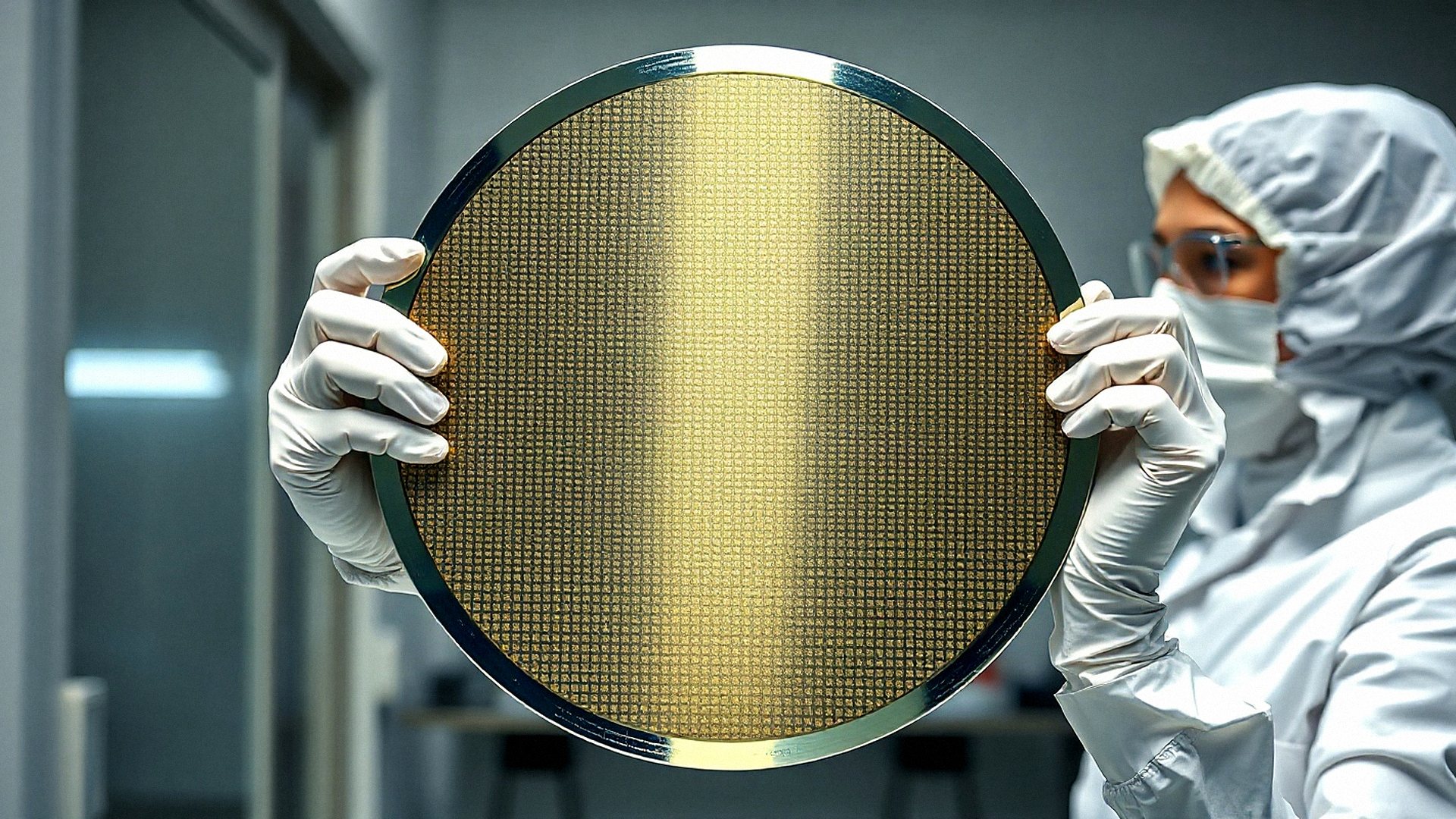
Lumentum makes the actual light. While Marvell draws chip blueprints and outsources manufacturing, Lumentum runs specialized compound-semiconductor foundries that bake indium phosphide into microscopic laser chips. Think of an optical connection like your home fiber internet: Marvell designs the high-speed routers and digital signal decoders, but Lumentum builds the laser that actually shines down the glass. Marvell has spent five years assembling every piece of the optical signal chain through deals for Inphi, Innovium, and Celestial AI. It owned everything except the light bulb.
| Price | $196.40 LIVE |
| Market Cap | $164.5B |
| Forward P/E | 25.0x |
| Total Revenue (TTM) | $9.45B |
| 52-Week Low | $70.69 |
| 52-Week High | $329.88 |
| Analyst Consensus | Strong Buy (44 analysts) |
| Analyst Target Mean | $340.56 |
To solve that scarcity, Marvell signed an all-stock merger valued at roughly $115 billion at announcement, making it the largest semiconductor deal ever signed. But the structure of the payment is where the real story lives. Marvell agreed to hand over a fixed 4.500 shares for every share of Lumentum, with zero collar. In dealmaking, a collar acts like shock absorbers on your car, adjusting the share count if the buyer’s stock swings wildly. Without one, the actual dollar payout floats entirely on Marvell’s equity price.
Since deal speculation first surfaced, Marvell shares have lost more than a quarter of their value. That drop means the same 4.5-for-1 exchange ratio now delivers roughly $82 billion in equity value instead of the $113 billion implied at announcement. Lumentum, meanwhile, trades at a 9% discount to the paper it is contractually owed as arbitrageurs price in an eighteen-month slog to close. The telling detail came across the rest of the sector: while Marvell and Lumentum slid, optical rivals Coherent and Broadcom both traded higher. Wall Street is not souring on optics; it is repricing Marvell’s currency.
For the stock to re-rate from here, management must prove this massive share issuance is an upgrade rather than pure dilution. Marvell is printing roughly 450 million new shares, expanding its share count by 50% and handing a third of the combined entity to Lumentum investors. The bull thesis hinges on holding pro forma gross margins near 57% on $17.7 billion of annualized revenue, backed by more than $1 billion in annual cost savings.
Lumentum is growing at a blistering pace. It put up $1.26 billion in quarterly revenue, up 136.5% year over year. Guidance points to another $350 million sequential jump, with a fresh optical packaging win carrying over $5 billion in purchase commitments. If Marvell successfully marries its silicon logic with Lumentum’s proprietary laser fabs, it becomes the fifth-largest chipmaker on the planet by 2029.
The short thesis writes itself across three brutal friction points. First, Marvell is surrendering a third of its equity for a components business at roughly 30 times trailing sales, paying peak multiples for the most cyclical, capital-intensive layer of the hardware stack.
Second, because there is no collar, Lumentum investors have already watched a quarter of their buyout consideration evaporate in three sessions. That is a ripe environment for proxy pushback, or for demands to sweeten terms before the shareholder vote. Third, Lumentum’s standalone 53% gross margin sits well below Marvell’s 59% baseline, meaning the combined margin only works if that guided $1 billion in cost cuts lands entirely in cost of goods sold.
Stretch those execution risks over eighteen months, with an outside date that can extend into August 2028. Add that two undisclosed customers represent over 41% of Lumentum's revenue. The bears see an acquirer taking on heavy fab risk at the top of the cycle.
What we are watching next is Lumentum’s upcoming winter print, specifically whether quarterly revenue crosses the $1.575 billion guidance floor to prove demand is still outrunning dilution.
Marvell bought the rarest physics in the artificial intelligence supply chain, but it paid with paper that the market is already discounting.
Disclosure: The Signal holds no position in Marvell Technology (MRVL). Positions may change. This is not financial advice.