
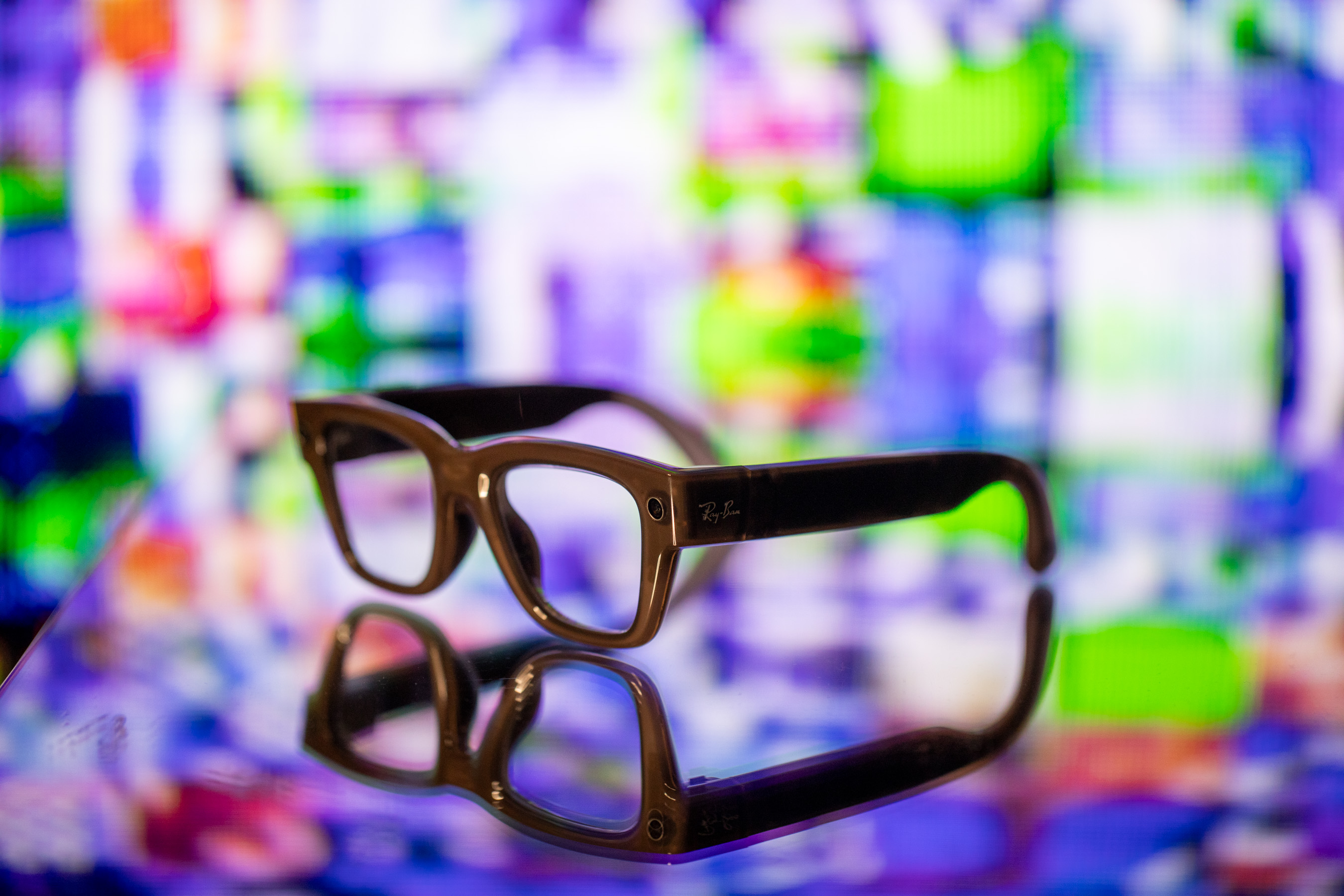
Meta just did something Apple hasn't managed: ship a genuinely useful pair of smart glasses that people actually want to buy.
| productPrice | $800 |
| marketSegment | Smart Glasses |
| competitorsOnMarket | 0 |
The Ray-Ban Display — Meta's first smart glasses with a built-in heads-up display — launched at $800 and immediately sold out. The company had to delay its global rollout because US demand is so strong it can't keep up with supply.
That's the kind of 'problem' that keeps Zuck smiling.
The specs matter less than the signal. After years of VR winter and AR vaporware, Meta has shipped a wearable that works. The display shows notifications, directions, and teleprompter feeds. The neural wristband translates handwriting into text. Third-party developers can build apps for it via an open SDK. And it costs less than the Apple Vision Pro's carrying case.
The numbers tell the story. Meta's Reality Labs revenue hit $2.3 billion last quarter, up 78% year-over-year. The Ray-Ban Meta non-display glasses already tripled sales in 2025. The Display version is a step-change — and supply chains are scrambling.
Apple's response? Silence. Its smart glasses project has been pushed back repeatedly. Google just showed a concept for fall. Samsung's entry is 2027 at best. Meta is running the table on smart glasses the same way it crushed the VR headset market: ship early, iterate fast, subsidize aggressively.
The contrarian take: smart glasses aren't a niche. They're the next smartphone-sized market. And Meta just grabbed pole position.