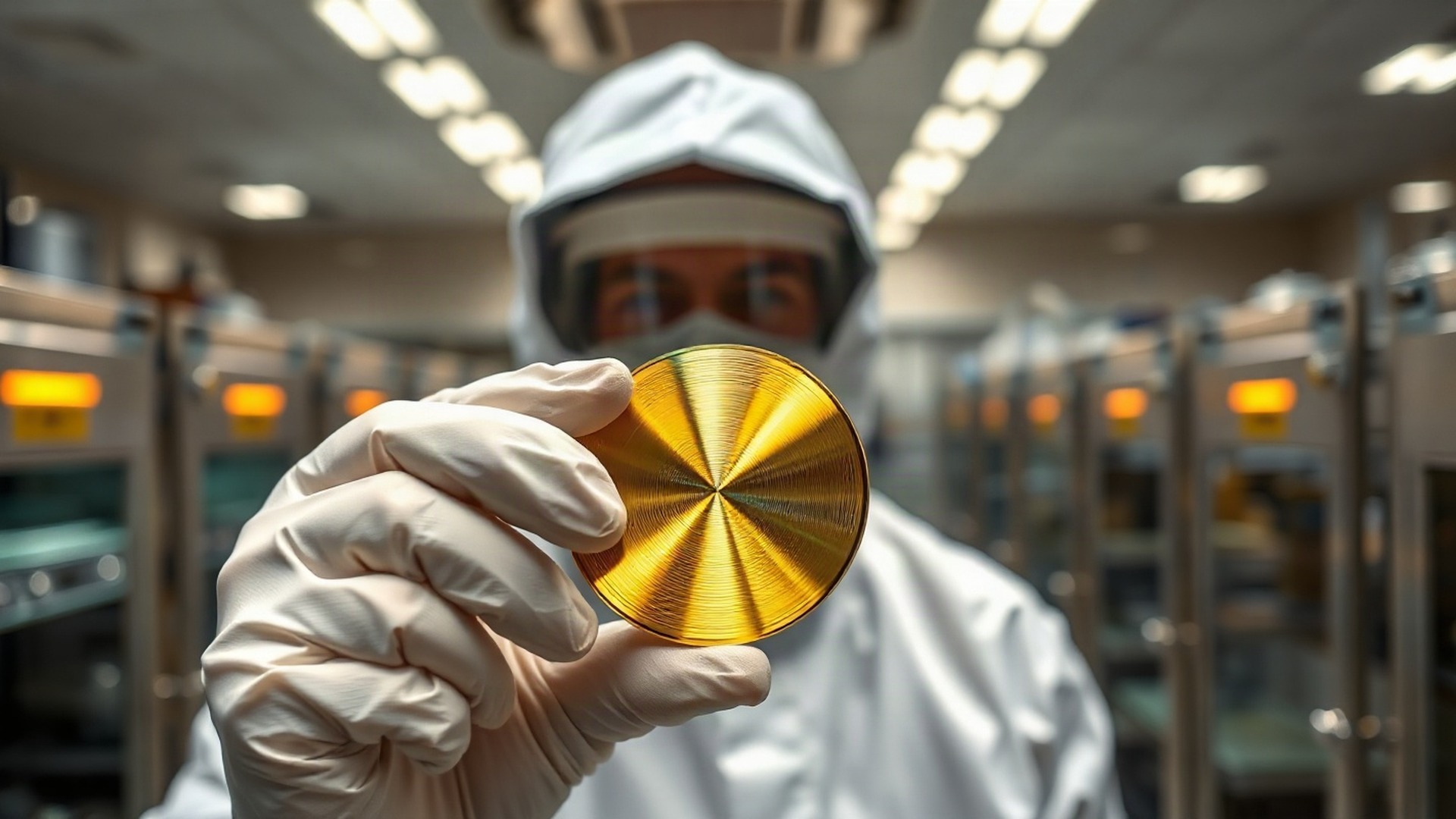
Lumentum makes the laser chips that turn electrical signals into light, so one rack of GPUs can talk to the next. It does not sell the AI model or the server. It sells the light.
That makes Lumentum a chokepoint in the AI buildout. Clusters are limited by how much light they can push between chips, and indium phosphide lasers are the hard part to make.
| Price LIVE | $838.96 |
| Market Cap | $75.3B |
| Forward P/E | 21.1 |
| Total Revenue (TTM) | $3.014B |
| 52-Week Low | $144.52 |
| 52-Week High | $1,085.68 |
| Analyst Consensus | Strong Buy |
| Analyst Target Mean | $1,149.38 |
Management has been blunt about the gap. Earlier this year it said Lumentum was undershipping the market by roughly 25% to 30%, and expected the shortfall to widen first.
It has not narrowed. In September, management listed what is short: DML lasers, continuous-wave lasers, EML lasers. Then came the line that matters. “We do not see the shortage going away in 2027.”
The reason sits one product cycle out. Scale-up optics, the light inside a rack rather than between racks, multiply laser demand again in 2028. Management frames that step-up as three to four times.
So what does Lumentum actually own? Its indium phosphide fabs, five once Greensboro ramps, a process that is brutally hard to copy, and what it calls the industry’s largest wafer baseline. In this business, capacity is the moat.
The spending matches the conviction. EML unit capacity is up more than eight-fold, with another 50% or more added by the end of calendar 2026, and laser-chip backlog runs beyond two years.
Feeding those fabs is its own project. In July, Lumentum signed a supply reservation for indium phosphide substrates running through the end of 2031, putting up $87 million in deposits to hold the line.
Nvidia put $2 billion into the company in March, structured as convertible preferred stock, alongside a multibillion-dollar purchase commitment and access rights to future laser capacity.
Keep the framing honest, though. Nvidia handed Coherent the same $2 billion on the same terms on the same day. This is a supply-security program, not a solo endorsement.
The answer to the shortage is a new fab. Lumentum bought a 240,000-square-foot facility in Greensboro, North Carolina, and is retooling it for six-inch indium phosphide wafers, with production expected to ramp in mid-2028.
The timing of that ramp is the whole ballgame. Greensboro is the third capacity expansion, behind San Jose and the UK, and the fiscal 2028 profit target only works if it lands on schedule.
The second leg is the optical circuit switch, where Lumentum’s MEMS mirrors steer beams straight through instead of converting light back to electricity at every hop. Backlog was already above $400 million.
Demand turned that into a multi-year, multibillion-dollar agreement with an existing hyperscaler. Management guides to a $1 billion-plus run rate in 2027 and a first triple-digit revenue quarter in the September period.
The third leg is co-packaged optics, where the laser moves in beside the switch chip. Lumentum holds a multi-hundred-million-dollar order due in the first half of calendar 2027, and that market is three to four times the scale-out version.
Stack those legs and the September disclosure makes sense: a fiscal 2028 earnings target of $40 a share, credited to optical switching upside from the largest customer.
Margins are already doing the work. Non-GAAP operating margin hit 36.6% in the June quarter. The September-quarter guide of 39.5% to 40.5% already sits inside the long-term margin model management laid out in March. That is ahead of its own schedule.
And yet the shares have cooled hard. They have given back more than a fifth from the spring peak and trade roughly 27% below the average analyst target.
The multiple is genuinely confusing. The shares change hands near 21 times the fiscal 2028 target. On annualized guidance for the current quarter that is about 50 times, and on last year’s adjusted earnings close to 97 times.
Concentration deserves respect. One customer was 26.6% of revenue last fiscal year, up from 15.4%, and the top two together crossed 41%. The fiscal 2028 target leans on that relationship holding.
None of this promises that supply stays tight forever. Optical markets have a history of boom and digestion, and LightCounting has flagged a possible soft landing in 2027. Lumentum’s answer is that the shortage outlasts the cycle.
The story is simple to state and hard to copy. Light, in short supply, from fabs that take years to build. Watch the Greensboro ramp, the first triple-digit optical switching quarter, and scale-up laser shipments late next year. Selling light, not hope.
Disclosure: The Signal holds no position in LITE. Positions may change. This is not financial advice.