Advanced reactors get the ribbon cuttings. The fuel they burn gets a footnote. Centrus Energy lives in that gap: the one input no reactor designer can substitute has a single licensed supplier in the Western world.
Centrus sells enrichment. Uranium comes out of the ground too diluted to run a reactor, so somebody has to sort the atoms and concentrate the fissionable ones. That sorting is the product, sold in separative work units to utilities and reactor builders.
| Price LIVE | $147.07 |
| Market Cap | $3.0B |
| Forward P/E | 38.5 |
| Total Revenue (TTM) | $473.9M |
| 52-Week Low | $135.85 |
| 52-Week High | $464.25 |
| Analyst Consensus | Buy (17 analysts) |
| Analyst Target Mean | $247.40 |
Think of a reactor as a car. Ordinary low-enriched uranium is regular unleaded, sold at stations everywhere. HALEU is a fuel grade with one pump in the Western world, and it is in Ohio.
That is why the AI trade keeps circling back here. The reactors being built to power data centres are small, and most run on HALEU. Meta's AI supercluster in Ohio is the loudest example: a 1.2 GW Oklo campus planned for Pike County, first phase targeted as early as 2030.
The contracts have stacked up fast. Radiant Industries signed a definitive multi-year HALEU deal on September 9 for its Kaleidos microreactors, and Antares Nuclear followed on September 17 for military and space reactors. X-energy signed in August.
Oklo is the soft one. That arrangement is a non-binding letter of intent from June for up to five Aurora plants, still to be negotiated into a definitive contract.
Less noticed is who funds the build-out. The Radiant and Antares deals include customer prepayments, cash handed over years before fuel ships. Centrus is financing expansion off its customers' balance sheets instead of waiting on Washington.
Washington is still in the stack, just less central. A task order signed at the end of June locked in $900 million from the Department of Energy, with options to $1.07 billion. It builds commercial HALEU capacity, with first output due in 2029.
The moat is a line Centrus repeats: its AC100 centrifuge is the only deployment-ready U.S.-origin technology for unobligated enrichment. Unobligated means free of foreign-use strings, so the fuel can run military and space reactors. No American rival can say that.
Backlog reached $4.5 billion at the end of June and runs to 2040, $2.4 billion of it under definitive agreements. Russia supplied 26% of U.S. enrichment purchases in 2025, the biggest foreign source. A 2024 import ban drains that pipe, with waivers expiring by the start of 2028.
Competition is real but not imminent. Urenco is building HALEU capacity in the UK with government backing, targeted for 2031, and General Matter holds a matching DOE award. Neither ships unobligated HALEU today.
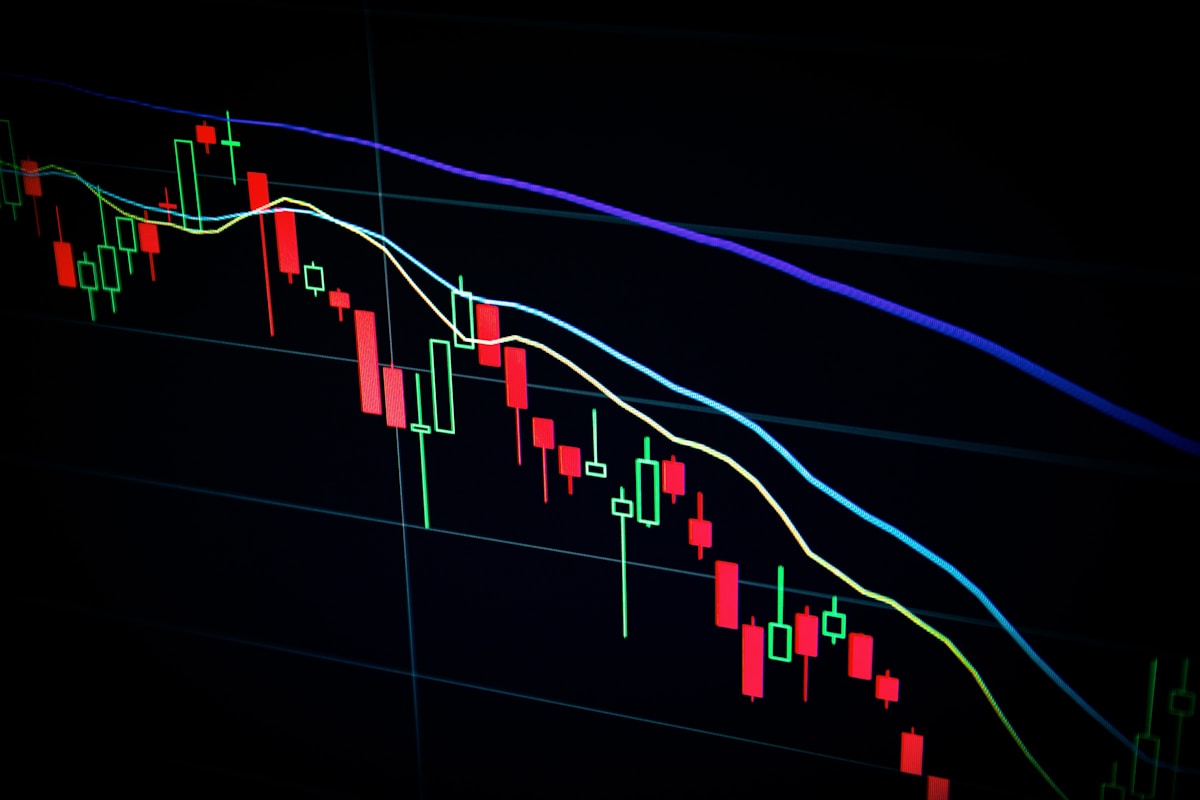
So why is the equity down roughly two-thirds from its 52-week high and about 46% this year? The market is paying for capacity that does not exist, and the invoice arrives first. Centrus still earns most of its money as an intermediary. Owning a cascade converts that into producer margin.
That mix shift is the re-rate, visible from 2029, and a forward multiple near 39 already asks you to believe it. Is the market pricing it right? Half right: the burn and the wait are real, but the license has no substitute.
Now read the same file the way a short seller would. Every headline contract promises deliveries before the end of the decade, because first capacity is 2029 and the new centrifuge is not finished. Those are promises with construction schedules attached.
The DOE budget proposed for fiscal 2027 drops funding to operate the existing HALEU cascade. That is roughly $0.8 billion of Technical Solutions backlog, and the agency says it does not currently intend to exercise further options. Advanced-technology costs tripled in the June quarter.
Capital spending ran to $94.8 million in the first half against $5.7 million a year earlier. Trailing free cash flow is negative by roughly $164 million. The gap gets plugged with stock: a $500 million raise priced in September, warrants struck as high as $362.98. Well over half the LEU Centrus expects to deliver through 2027 still comes from a Russian contract.
What proves the bears right is checkable: a slip in the 2029 first-capacity date, a Piketon lease extension that never lands, or another raise before a centrifuge spins. The third-quarter report in early November is the test.
Centrus does not sell reactors or data centres. It sells the one input with no substitute, from the one Western address licensed to make it. You can buy the reactor anywhere. The fuel comes from Ohio.
Disclosure: The Signal holds no position in LEU. Positions may change. This is not financial advice.