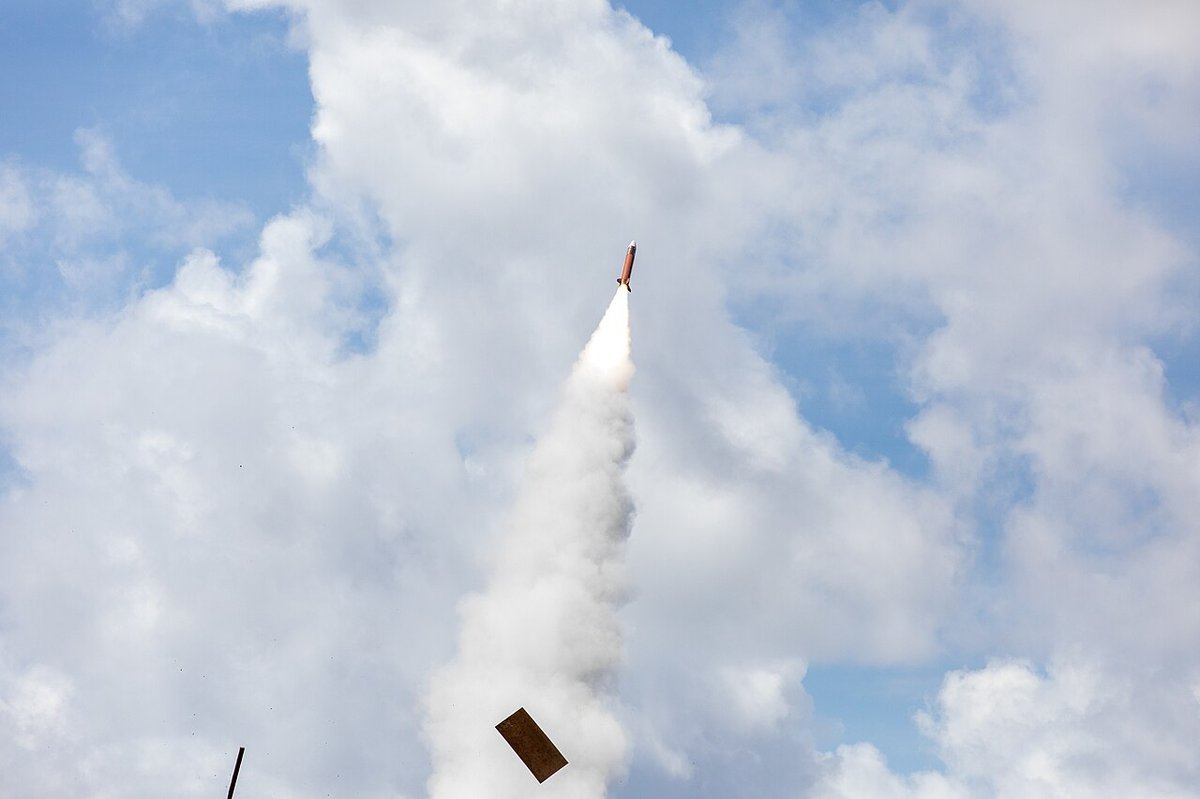
Iran's Islamic Revolutionary Guard Corps issued a formal warning Thursday that American technology companies — including cloud infrastructure providers, semiconductor fabs, and defense contractors' supply chain nodes — would be considered "legitimate military targets" if Operation Epic Fury continues to escalate. The statement, confirmed by CNBC, Politico, and Foreign Policy, marks one of the most direct threats Tehran has leveled against the U.S. private sector in decades.
The threat specifically named major U.S. tech infrastructure in the Middle East — data centers, cloud hubs, and telecommunications assets — as potential targets. Iran's capacity to strike these assets with ballistic missiles, drones, or special operations is well-documented. In April 2024, Iran launched over 300 drones and missiles at Israel in a single barrage, demonstrating a strike capability that extends across the region.
Markets initially sold off on headline risk, then rotated hard into defense names. RTX Corporation — the prime contractor for the Patriot and NASAMS air defense systems — led the charge. Lockheed Martin (LMT) runs the THAAD and Aegis programs. Northrop Grumman (NOC) owns the Integrated Battle Command System that ties it all together. All three gapped up at the open and held gains through the afternoon session.
The Historical Playbook
Over the last decade, every major escalation between the U.S. and Iran has produced significant outperformance of defense stocks versus the broad market. The mechanism is straightforward: geopolitical risk drives the Pentagon's budget request higher, accelerates contract awards, and compresses the timeline between development and field deployment.
In April 2024, Iran's direct attack on Israel triggered a defense sector rally that persisted for weeks. The death of Qasem Soleimani in January 2020 similarly boosted defense names as the region braced for retaliation. In both cases, the biggest winners were the prime contractors with existing deployed systems — the same companies benefiting today.
This time is different in scale. Operation Epic Fury represents the first direct U.S. military engagement with Iran, not a proxy conflict. The defense budget implications are significantly larger. The Congressional Budget Office has already modeled scenarios where supplemental defense appropriations add $50-80 billion per year of sustained conflict.
Is There a Ceasefire Risk?
Barron's posed an interesting question this week: "Everyone Thinks Iran Will Be Another Forever War — Except Defense Stocks." The piece noted that while the conflict narrative is bullish, actual defense stock performance has been mixed. Lockheed Martin has actually pulled back from its initial surge as ceasefire talks oscillate. The market is pricing in multiple scenarios simultaneously.
The smart trade: own the systems that get built regardless of conflict duration. Missile defense (RTX, LMT), space-based sensors (NOC, RKLB), and autonomous systems (KTOS) are funded on multi-year procurement cycles that don't get cancelled mid-program. These are the positions that work whether the shooting stops next week or continues for years.
The Bottom Line
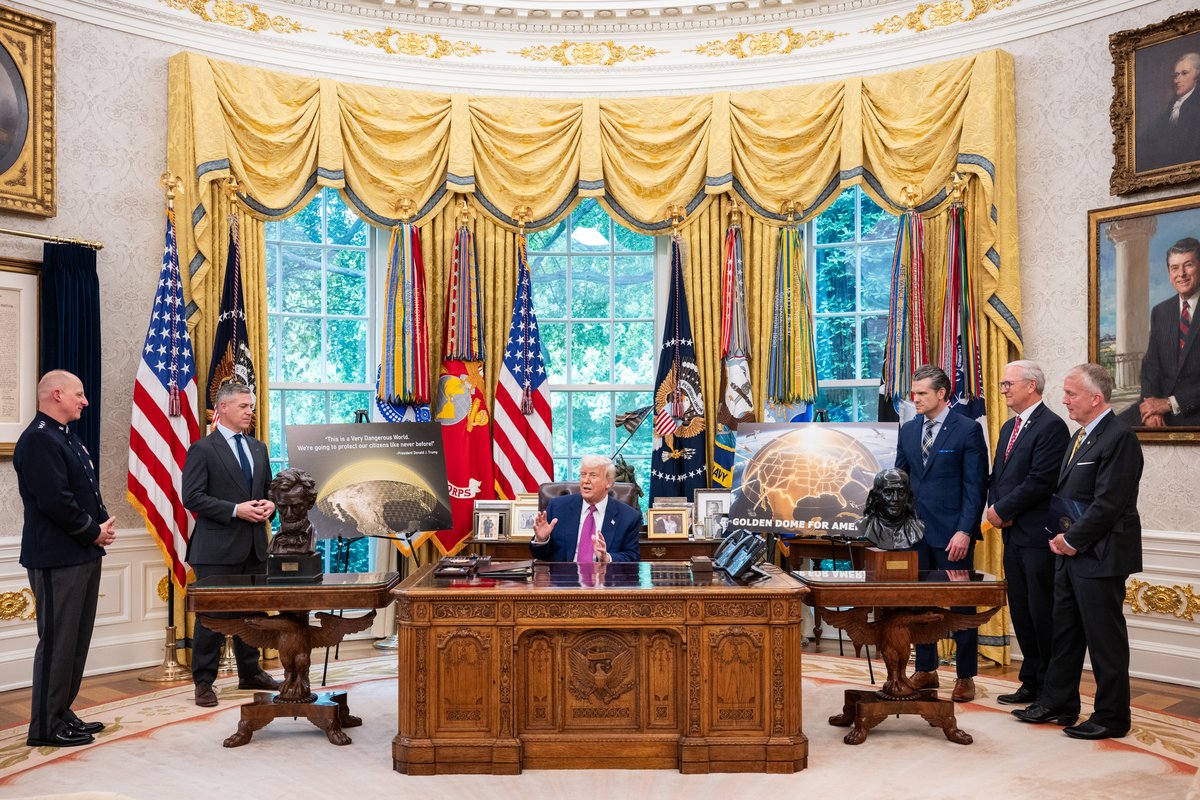
Iran threatening U.S. tech companies directly is a new escalation threshold. Whether or not the threat is executed, the policy response is already locked in: more defense spending, faster contract awards, and a longer-term commitment to rebuilding America's missile defense architecture. For defense investors, that's signal worth following.



Discussion
Comments powered by Giscus — sign in with GitHub to join the discussion.