Two years ago, Intel was left for dead. The stock scraped $19. Analysts wrote obituaries. TSMC had lapped it on process technology. Wall Street had moved on.
| intcPrice | 119.84 |
| intcMarketCap | 602000000000 |
| intcForwardPE | 77.83 |
| intcRevenue | 53760000000 |
| intc52WeekLow | 18.97 |
| intc52WeekHigh | 132.75 |
| intcAnalystConsensus | 2.65 |
| intcAnalystTargetMean | 87.86 |
| intcAnalystCount | 42 |
| terafabProjectValue | 20000000000 |
Then something happened that almost nobody saw coming.
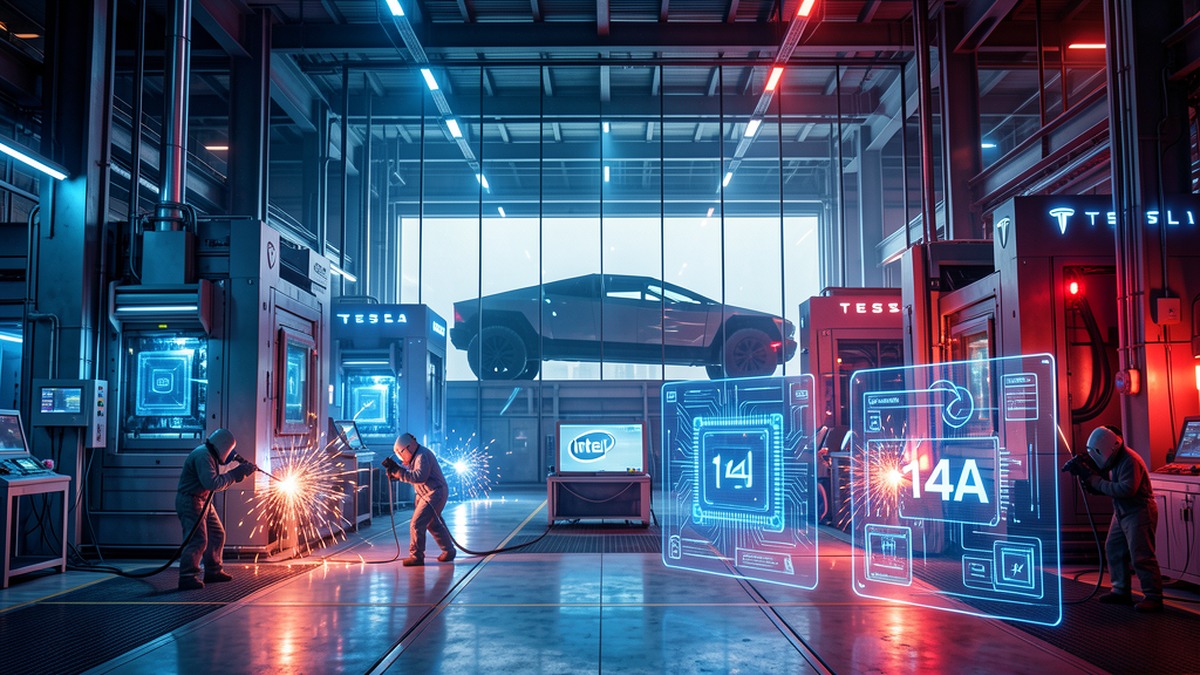
Intel just landed Tesla as the first major customer for its cutting-edge 14A chip manufacturing process — the company's most advanced node, positioned beyond 18A. Elon Musk's Terafab AI chip project in Austin, Texas — a $20 billion+ initiative — will use Intel 14A technology at its core.
And Musk didn't stop there. He confirmed both Tesla AND SpaceX will tap Intel 14A for their AI chip needs.
This is the single biggest validation of Pat Gelsinger's foundry turnaround since he bet the company on it.
The Deal That Changes Everything
The Terafab project is Elon Musk's audacious plan to build the world's most advanced AI chip factory on American soil. We're talking a facility so massive that its $20B+ price tag rivals the GDP of small nations. Tesla needs custom AI silicon at enormous scale for autonomous driving, Optimus robots, and who knows what else Musk is dreaming up in those Texas tunnels.
Intel 14A is the node that makes it possible. It's Intel's post-18A process, designed to compete head-to-head with TSMC's N2 and beyond. Landing Tesla — a company famous for vertical integration and skepticism of external suppliers — is a credibility signal that no amount of marketing could buy.
The Numbers That Matter
Read that last line again. The analyst consensus target is $87.86. The stock trades at $119.84. Wall Street's average price target is below the current price by 27%. Forty-two analysts cover this stock, and most of them are still anchoring on the old Intel narrative.
They are wrong.
The Greatest Turnaround Nobody Believes
Let's be clear about what happened here. Intel went from a $19 stock — written off as a relic of the silicon age — to a $602 billion foundry powerhouse in roughly 24 months. The foundry pivot under Pat Gelsinger was dismissed as a Hail Mary. Critics called it delusional to think Intel could compete with TSMC after losing process leadership for a decade.
But Gelsinger understood something the market missed: the CHIPS Act created a strategic imperative for American-made advanced semiconductors. The geopolitical risk of 90%+ of advanced chips coming from Taiwan was untenable for the Pentagon, for the White House, and for any CEO building AI infrastructure at scale.
Tesla biting is the proof.
Musk doesn't do partnership for optics. He builds his own factories. His own supply chains. His own rockets. If he's willing to bet $20 billion on Intel 14A, it's because the technology is real and the roadmap is credible.
What Wall Street Is Missing
The analyst community is still treating Intel like a PC-chip company in decline. Forty-two analysts cover INTC, and the consensus is a tepid 2.65 — essentially a Hold. The mean price target of $87.86 suggests the stock is 27% overvalued.
But that analysis was written before Tesla signed on. Before Musk said SpaceX needs 14A too. Before the Terafab became the single largest AI chip manufacturing project in the United States.
The foundry business model is fundamentally different from Intel's old model. Foundries command premium pricing. They build long-term customer relationships that span decades. And they benefit from the single most powerful tailwind in tech: insatiable demand for AI compute.
Intel's 14A node doesn't just compete with TSMC — it gives American AI companies something TSMC can't offer: geopolitical certainty. When you're building a $20B+ fab in Texas, you're not worried about invasion scenarios in the Taiwan Strait.
The Bottom Line
Intel's turnaround is the most underappreciated story in markets today. A $19 stock that turned into a $602 billion foundry powerhouse. A company that was left for dead and is now building the chips that will power Tesla's autonomous future and SpaceX's interplanetary ambitions.
Wall Street's average target of $87.86 isn't just wrong — it's an artifact of a narrative that's already been disproven. When the analyst revisions start rolling in after this Tesla deal, expect that mean target to move higher. Fast.
The greatest semiconductor comeback story is happening in plain sight. The market just hasn't updated its spreadsheet yet.
Disclosure: The Signal may hold positions in securities mentioned. This is not financial advice.