Intel briefly made Wall Street believe on the news, then the tape snapped right back. Shares jumped roughly 8% at the opening bell after CEO Lip-Bu Tan announced the company's flagship manufacturing node had finally signed its first outside buyer. Within three hours, the gains vanished. Investors have heard promises about Intel’s factories for years, and they are tired of trading on vibes.
Strip away the corporate speak, and Intel’s core business is straightforward. The company designs and sells the processors running your laptop and cloud data centers. But unlike competitors who outsource their production to Taiwan, Intel actually owns the factories that make the silicon. If Taiwan Semiconductor Manufacturing Co. is the world’s master kitchen cooking everyone else's custom recipes, Intel is trying to build a rival diner using the exact same industrial ovens.
| Price LIVE | $54.67 |
| Market Cap | ~$291B |
| Forward P/E | 30.5 |
| Total Revenue (TTM) | $59.9B |
| 52-Week Low | $32.89 |
| 52-Week High | $142.35 |
| Analyst Consensus | Hold (43 analysts) |
| Analyst Target Mean | $90.65 |
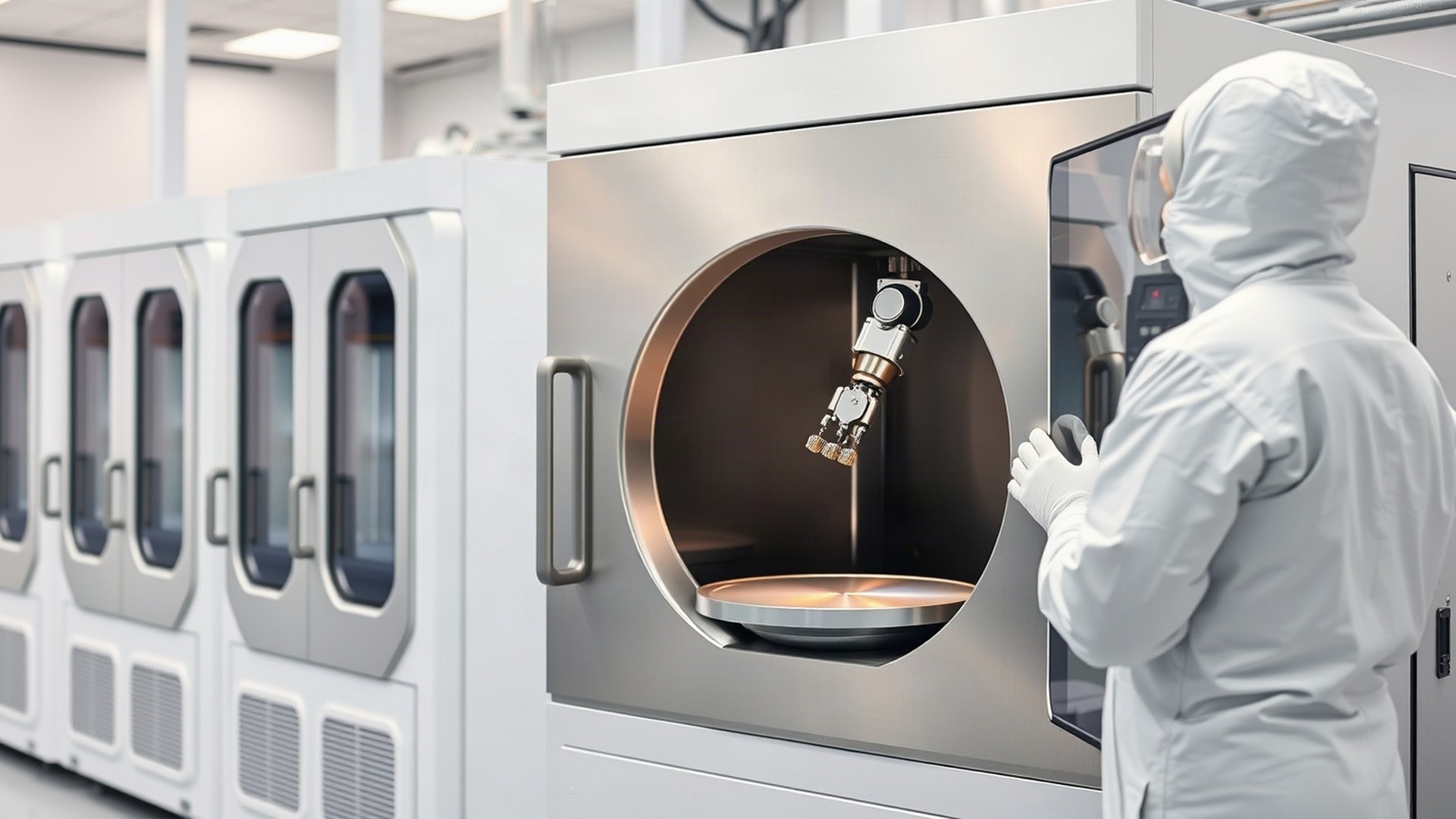
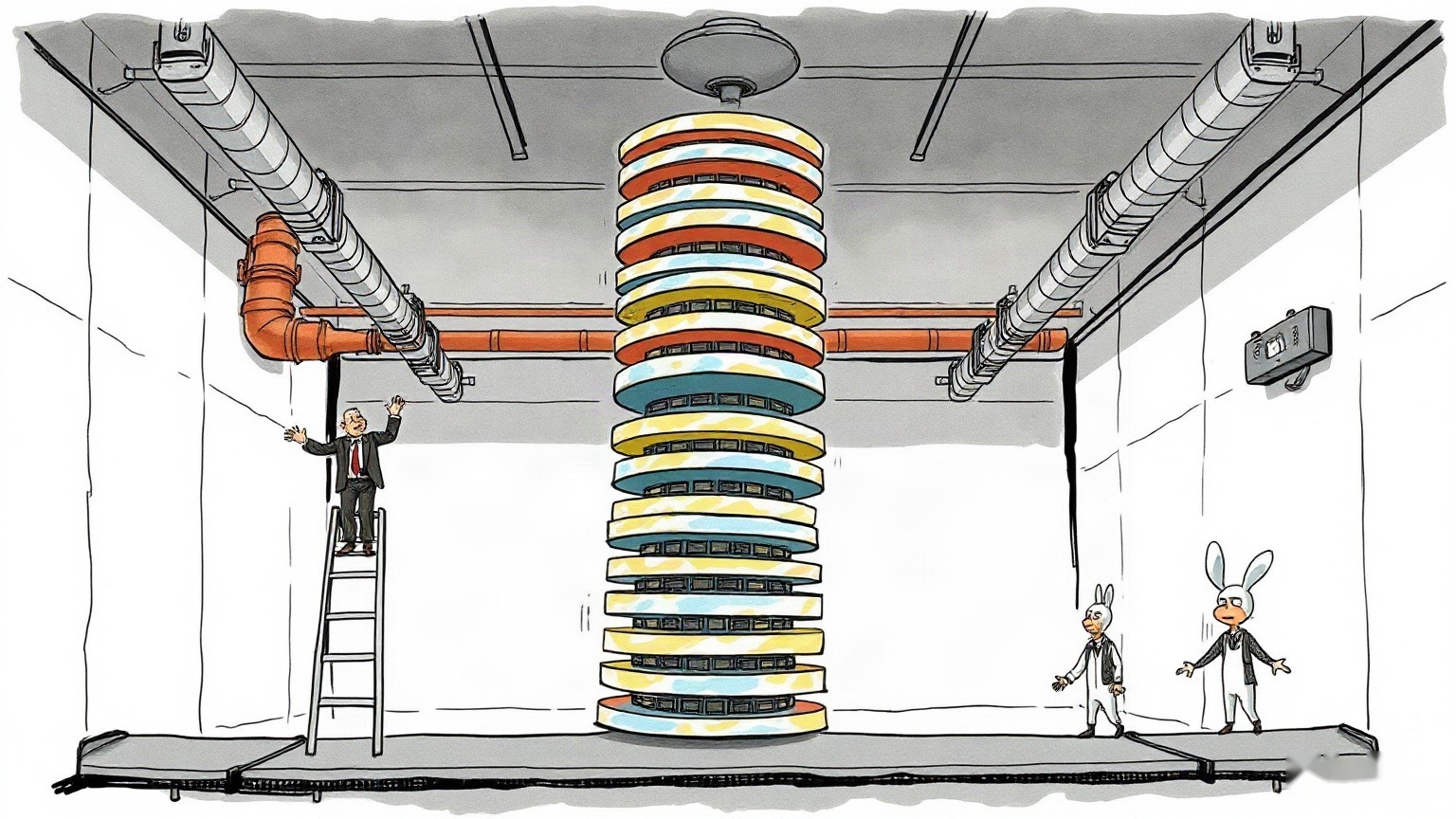
That factory push just hit a milestone where it matters most: artificial intelligence. Making an AI chip work is no longer just about etching microscopic transistors onto a single square of silicon. Today, engineers stitch GPUs, memory stacks, and networking tiles together on a silicon bridge so data does not stall out in traffic. That assembly layer is called advanced packaging. TSMC's packaging lines are hopelessly backlogged, and Intel’s alternative, dubbed EMIB, is the most credible Western alternative at scale. Microsoft just signed on as the first public customer to package its custom Azure AI chips with Intel.
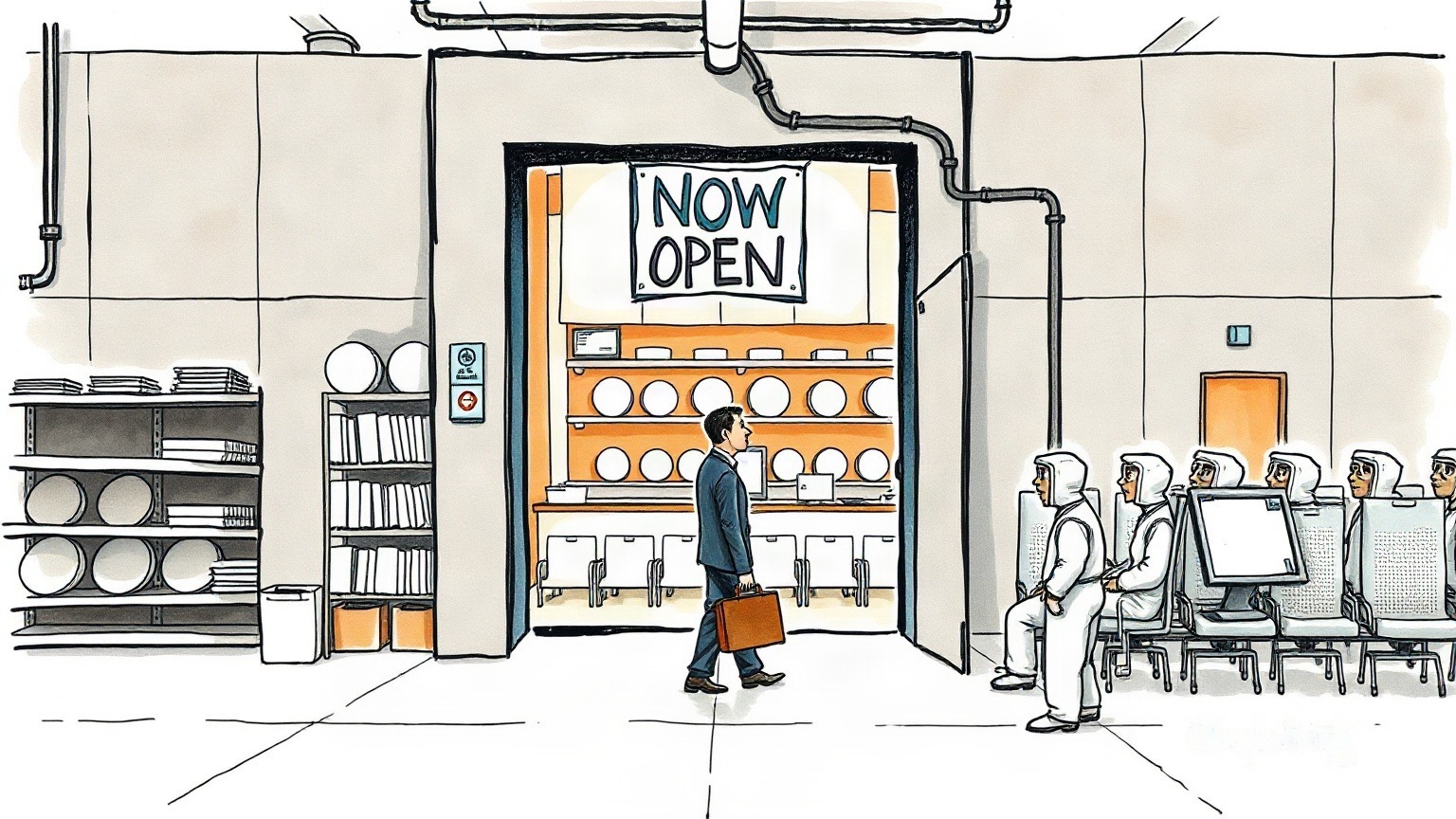
At the same time, Intel confirmed an unnamed customer signed up for 18A-P, its upgraded manufacturing process that entered risk production in June. Add in reports that Google will tap Intel’s packaging through MediaTek for future Tensor processing units, and the pipeline finally looks populated. But signing a logo is vastly different from running profitable mass production.
That gap explains why the stock refuses to re-rate. Right now, Wall Street treats the foundry division as a giant anvil strapped to a profitable server business. In the third quarter, data center sales jumped 78% to over $7.3 billion, delivering Intel's strongest growth in that segment in fifteen years.
But the foundry segment lost $1.85 billion on nearly $6.7 billion in revenue. Here is the catch: almost all of that factory revenue came from Intel selling wafers to itself. Outside customers generated barely $400 million, or about 2.5% of total revenue. For the stock to break out from trading roughly 60% below its summer peak, that tiny slice of outside revenue has to start compounding on its own.
The short case practically writes itself. A mystery signature on an unproven node is not a shipment. Intel disclosed no name, no wafer volume, and no timeline, while meaningful production remains years away. Meanwhile, outside foundry revenue is a rounding error that barely dents nearly $2 billion in quarterly manufacturing burn.
Even the packaging wins carry warning signs: reports show Google pushed ahead with Intel packaging despite substrate yields languishing near 35%. Substrates are the physical bases that chips sit on, and tossing nearly two-thirds of them in the trash is an operational headache, not a triumph. Toss in shrinking PC sales, sequential revenue guided down for the fourth quarter, 7,300 job cuts over the past year, and a massive $23 billion equity dilution into a depressed valuation. At roughly 31 times forward earnings, you are paying a premium multiple for a legacy chipmaker handcuffed to an offshore-scale cash incinerator.
Turning this around requires hard, verifiable accounting rather than stage presentations. We are watching the fourth-quarter earnings print in late January, specifically targeting whether external foundry sales budge beyond that $400 million mark and whether Microsoft’s commitment translates into billable packaging work.
Intel has finally found outside buyers willing to take a chance on its tools. Now it has to prove it can ship their orders without losing money on every single silicon wafer.
Disclosure: The Signal holds no position in INTC. Positions may change. This is not financial advice.