You rarely see a company lift its annual growth target by sixteen percentage points and immediately lose a seventh of its market value.
Hewlett Packard Enterprise pulled off that exact trick on Tuesday morning, dropping about 14% a session after posting the fastest quarterly expansion in its modern history. The market did not miss the top-line explosion. It simply looked under the hood, spotted where the money was coming from, and decided the new revenue is worth far less than the old revenue.
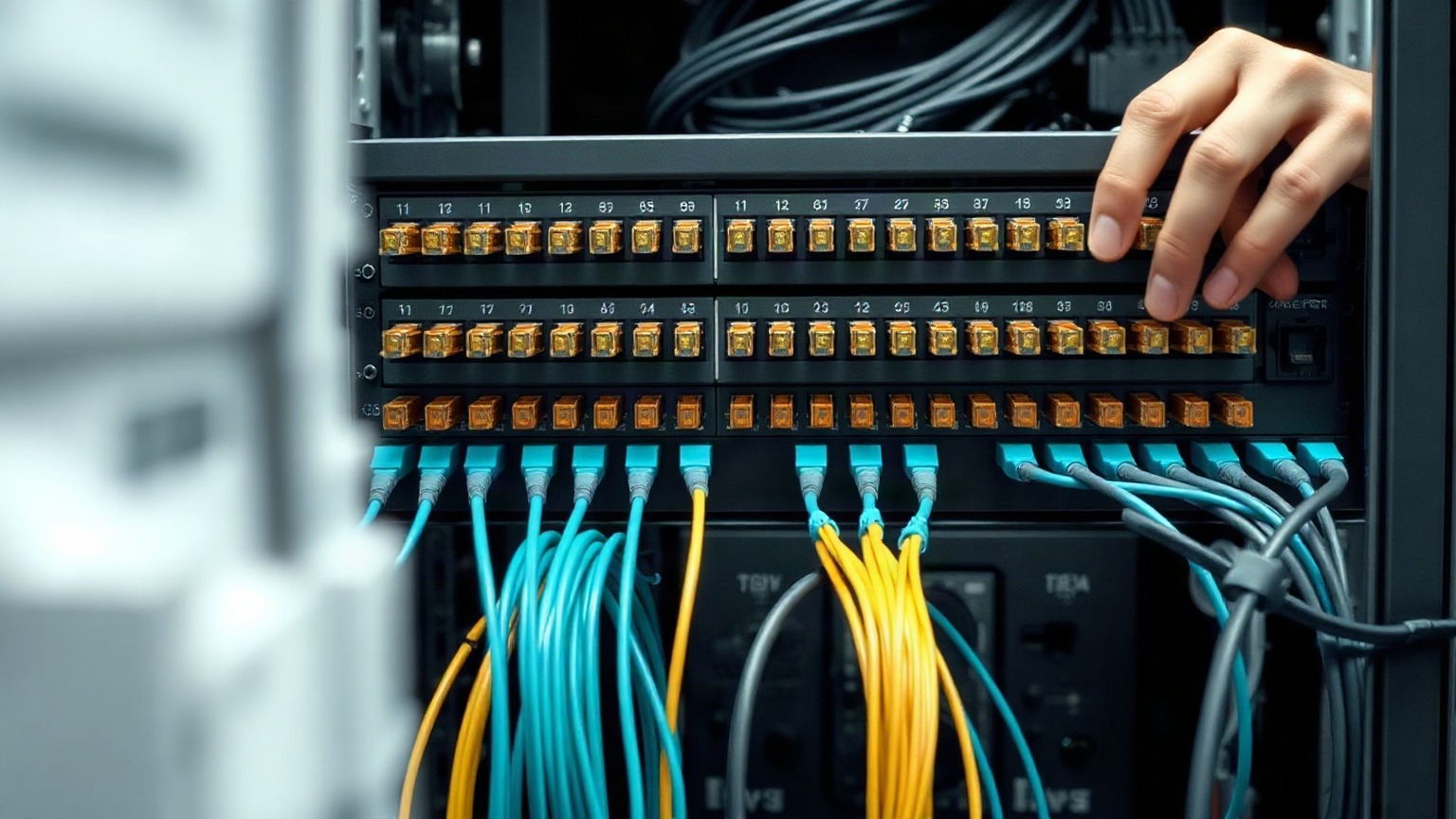
HPE builds the heavy plumbing of corporate computing. It manufactures the refrigerator-sized server racks that run enterprise workloads, provides data storage, and sells the high-end networking gear—routers, switches, and campus Wi-Fi—that shuttles data across campus networks and between data centers.
| Price LIVE | $48.02 |
| Market Cap | $63.7B |
| Forward P/E | 10.1x |
| Total Revenue (TTM) | $46.74B |
| 52-Week Low | $19.84 |
| 52-Week High | $73.56 |
| Analyst Consensus | Buy (21 analysts) |
| Analyst Target Mean | $70.58 |
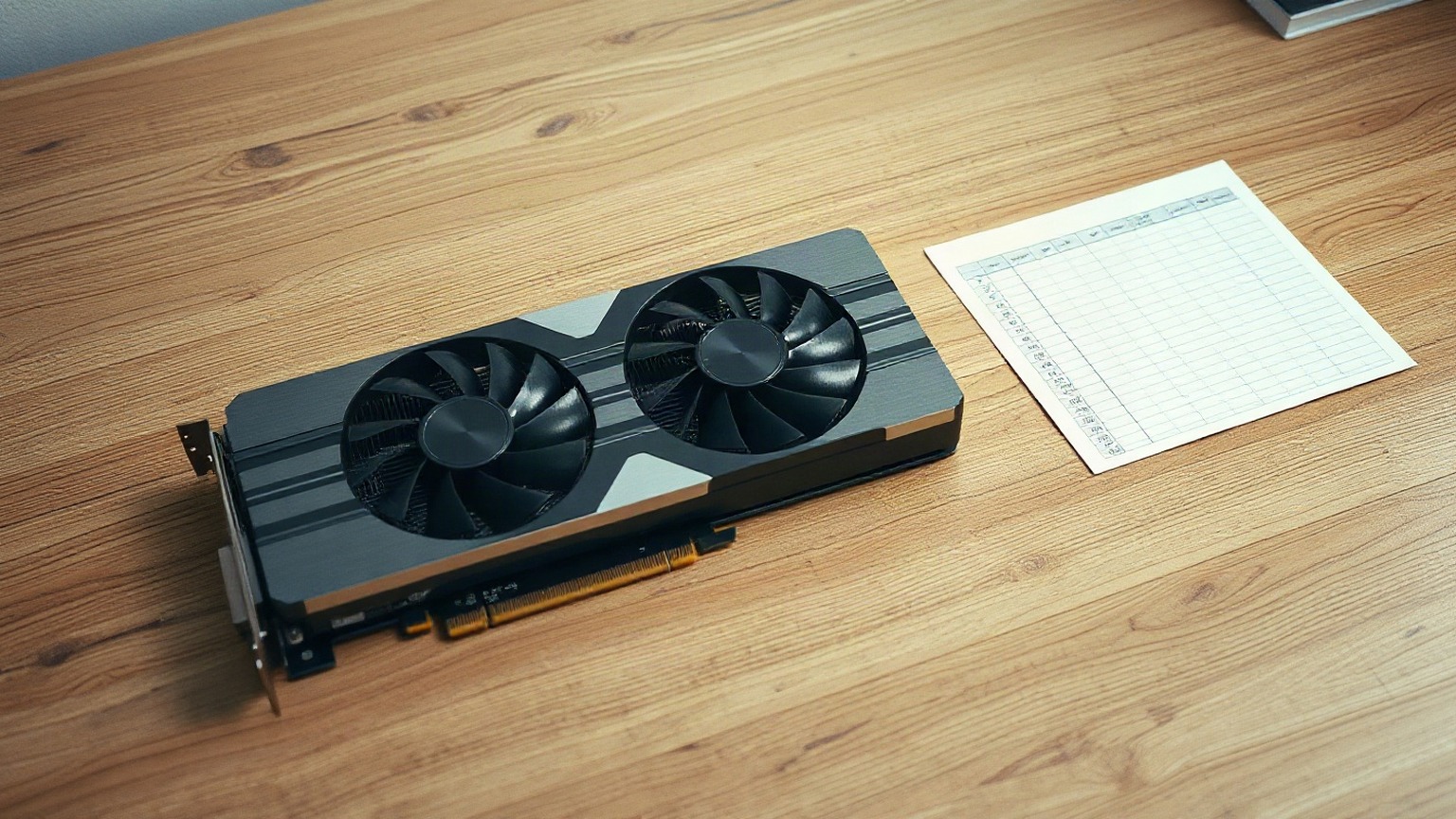
Think of an AI cluster like a sports car: the GPU is the roaring engine, and the network is the road it drives on. HPE sells both the chassis and the highway, but it has to buy the engine from Nvidia.
That dynamic matters because the artificial intelligence buildout has entered a messy industrial phase. Hyperscalers and governments are no longer just buying loose chips in boxes; they are ordering fully integrated, liquid-cooled racks that arrive pre-wired. That shift funnels massive order volumes to the few hardware vendors capable of building at scale.
Yet it also creates a trap. If you assemble the rack without owning the intellectual property inside it, you become an unpaid shipping clerk for semiconductor giants, taking on working capital risk while keeping single-digit scraps.
HPE has quietly split into two businesses running in opposite directions. On one side sits Cloud and AI, which houses those booming server racks. Segment revenue surged 69% in the fourth quarter, with raw server sales up nearly 95% to $8.8 billion.
On the other side sits Networking, reinforced seventeen months ago by the acquisition of Juniper Networks. Networking generates lucrative 22% operating margins and provides over a third of HPE's operating profit, but it grew just 12.3% in the quarter. The profitable half of the company is expanding at a sixth the speed of the dilutive half.
Bears see a classic hardware commoditization squeeze disguised as an AI boom. In rack-scale AI, HPE buys expensive silicon, memory, and optics, bolts them into sheet metal, and books the entire gross invoice as revenue. That pass-through model explains why quarterly revenue leaped 50% year over year while gross margin contracted 220 basis points from the prior quarter.
To feed this ramp, inventory ballooned 122% to $14.1 billion on commodity pre-buys—a dangerous gamble if hyperscaler appetite wobbles. Meanwhile, the networking business that was supposed to defend profitability saw full-year margins drop from 24.4% to 22.3%. When management guides fiscal 2027 revenue up 27% to 35% alongside matching earnings growth, they are admitting operating leverage has vanished. You are financing massive physical volume with zero expansion in profit margins.
That is why the equity took an immediate hit. HPE trades at under ten times the midpoint of guided fiscal 2027 earnings per share. That is a discount box-assembler multiple, not the premium multiple commanded by pure-play networking or proprietary AI infrastructure.
Investors are treating HPE's server surge as rented volume that inflates the top line without compounding economic value. For the stock to re-rate, HPE cannot just announce another batch of server orders. Management must deliver consecutive quarters where high-margin networking accelerates into the 20% range, proving that rack deployments are pulling proprietary switches into customer data centers rather than just delivering third-party GPUs.
The bullish counterweight is that cash generation remains resilient while the valuation floor sits low. HPE ended the year with a record $10.5 billion AI backlog and pushed net leverage down to 1.4 times. It also raised its quarterly dividend 19% to $0.17 and targeted at least $5.5 billion in free cash flow next year.
Management expects networking margins to rebound toward the high twenties as product roadmaps align. If enterprise campus upgrades finally kick into gear, the profit mix will correct quickly.
What we are watching is the fiscal first-quarter report, due late February or early March, specifically whether networking revenue can break out beyond the guided 11% to 13% range. Until networking proves it can outrun the servers it connects, the market will price HPE as an assembly line.
Disclosure: The Signal holds no position in HPE. Positions may change. This is not financial advice.