If you recently upgraded your smartphone storage or bought extra cloud backup, you know that digital memory is never cheap. Inside corporate data centers, that bill has turned astronomical. For months, Wall Street cheered the surging receipts as pure evidence of an unstoppable artificial intelligence boom. Now, a sharp two-day pullback across hardware names has exposed a far less glamorous possibility: server revenue is exploding not because customers are ordering more machines, but because the memory chips inside them have become wildly expensive.
Dell Technologies is where this friction becomes visible. Think of Nvidia as the architect drawing revolutionary blueprints; Dell is the general contractor assembling the actual building. The company buys high-end processors, mounts them into steel racks, wires intricate cooling systems, and sells finished servers to corporations, hospitals, and schools. Dell does not design the silicon. It builds the industrial boxes that make artificial intelligence run inside ordinary office parks. That role turns Dell into the market's cleanest barometer for enterprise adoption.
| Price LIVE | $507.93 |
| Market Cap | $323.0B |
| Forward P/E | 16.97 |
| Total Revenue (TTM) | $151.2B |
| 52-Week Low | $110.22 |
| 52-Week High | $595.51 |
| Analyst Consensus | Buy (25 analysts) |
| Analyst Target Mean | $593.00 |
That barometer suddenly triggered an alarm. Dell shares plunged over 11% in a single session and shed roughly a fifth of their value across two days. The slide followed a downgrade from Barclays analyst Tim Long, who cut Dell alongside peers Hewlett Packard Enterprise and NetApp. Long posed an uncomfortable question for tech investors. He argued that surging enterprise server revenue is primarily a function of memory costs rather than a broad rush into corporate artificial intelligence.
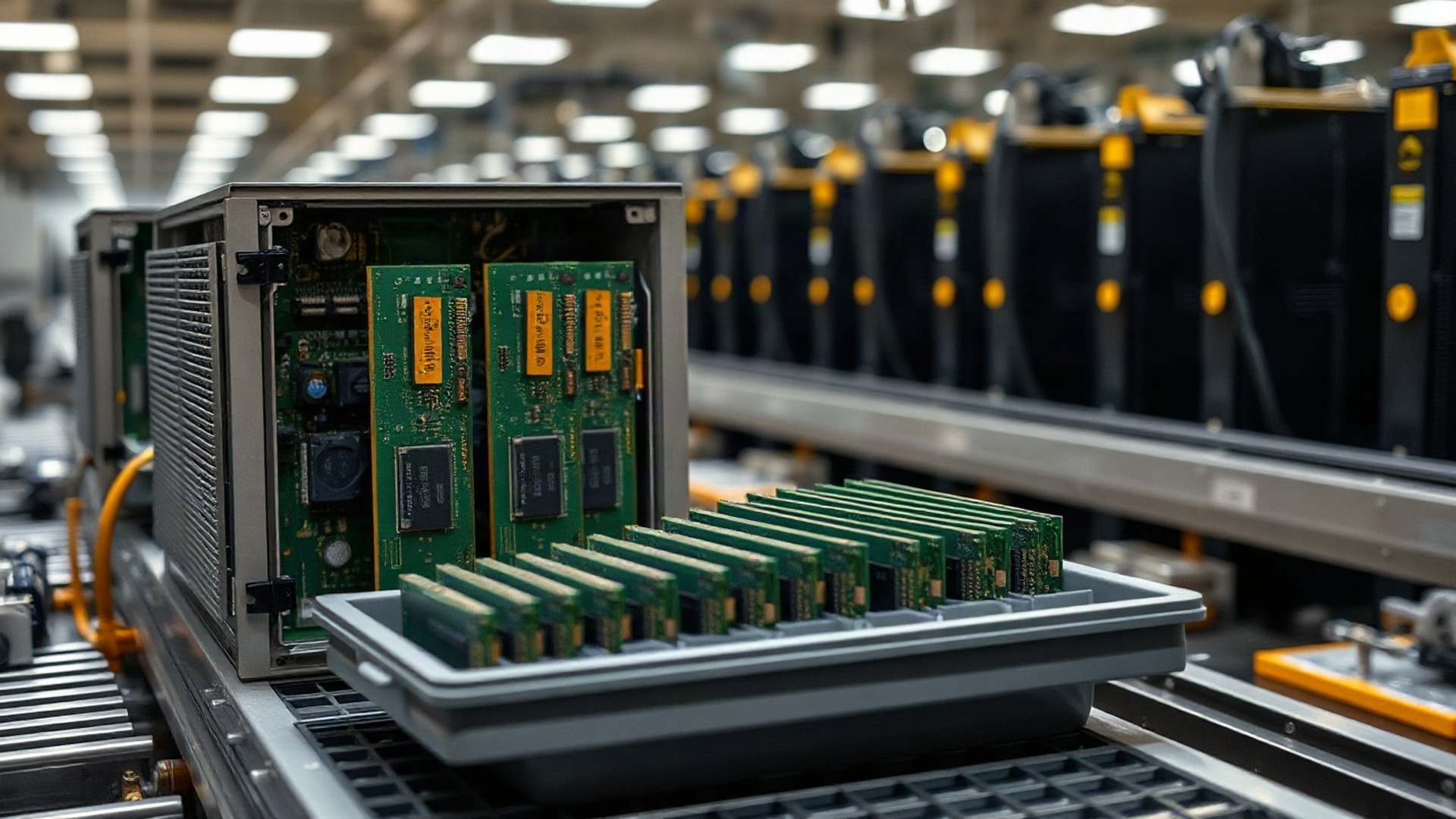
The mechanism behind that call is straightforward. AI data centers consume vast volumes of dynamic random-access memory and flash storage, driving contract prices higher across the global supply chain. When component parts cost more, server assemblers naturally raise sticker prices on every finished unit. Dell can post massive revenue growth without shipping a single additional server out the door. The top line expands on pure cost pass-through. Yet that same inflation squeezes profits on the back end, because memory is Dell's own primary manufacturing input.
This dynamic matters across the entire sector because enterprise spending is the holy grail of the AI trade. Hyperscalers like Microsoft and Google spend billions on hardware, but a durable multiyear supercycle requires mainstream corporate adoption. Right now, Barclays notes that everyday enterprises still devote only about 5% of their technology budgets to artificial intelligence. If server gains are just component price inflation wearing an AI badge, the broader software and hardware re-rating sits on shaky ground. The concern sparked an immediate global chip rout, wiping out more than $1 trillion from major tech names this week.
Macro headwinds are amplifying those hardware anxieties. September consumer prices rose 3.7% year over year, driven by higher energy bills, cementing market bets that the Federal Reserve will keep borrowing costs elevated following its September rate hike. The 10-year Treasury yield sat near 5.2% before easing slightly. Meanwhile, Goldman Sachs economists warned that AI-driven inflation has likely peaked, predicting that memory price growth will cool significantly heading into next year. If component inflation fades, the artificial revenue tailwind disappears with it.
The bull case counters that Dell's growth rests on locked commercial commitments rather than cyclical illusions. The company booked a record $60.9 billion in AI server orders during its July quarter, pushing its total AI backlog to $95 billion. Full-year revenue guidance rose by $25 billion to $192 billion, while traditional server and networking revenue jumped 122%. These are binding contracts delivered months in advance. To optimistic investors, a single Wall Street downgrade cannot wipe out an unprecedented, multiyear order book.
The bear case cuts right through that backlog narrative. Dell's July quarter displayed classic signs of margin strain: gross margins slipped to 20.9% in the July quarter from 24.1% back in early 2024, while operating cash flow dropped 13% even as net income roughly tripled. Working capital is funding production before clients pay, tying up liquidity in expensive inventory. Barclays models operating margins on AI servers at a razor-thin 5%. If memory prices normalize, Dell loses its pricing cushion and returns to competing against commodity box assemblers on identical hardware. The bears will be proven correct if infrastructure operating margins compress further in the coming quarter.
For the equity to regain its footing, Dell must prove its expansion is powered by shipment volume rather than inflated component invoices. The stock trades near 17 times forward earnings, which looks cheap only if unit shipments keep growing alongside revenue. Investors should watch Dell's next quarterly release to see whether management finally discloses physical server unit growth separately from average selling prices. When top-line records rely on component price spikes, the music stops the moment parts get cheaper.
Disclosure: The Signal holds no position in DELL. Positions may change. This is not financial advice.