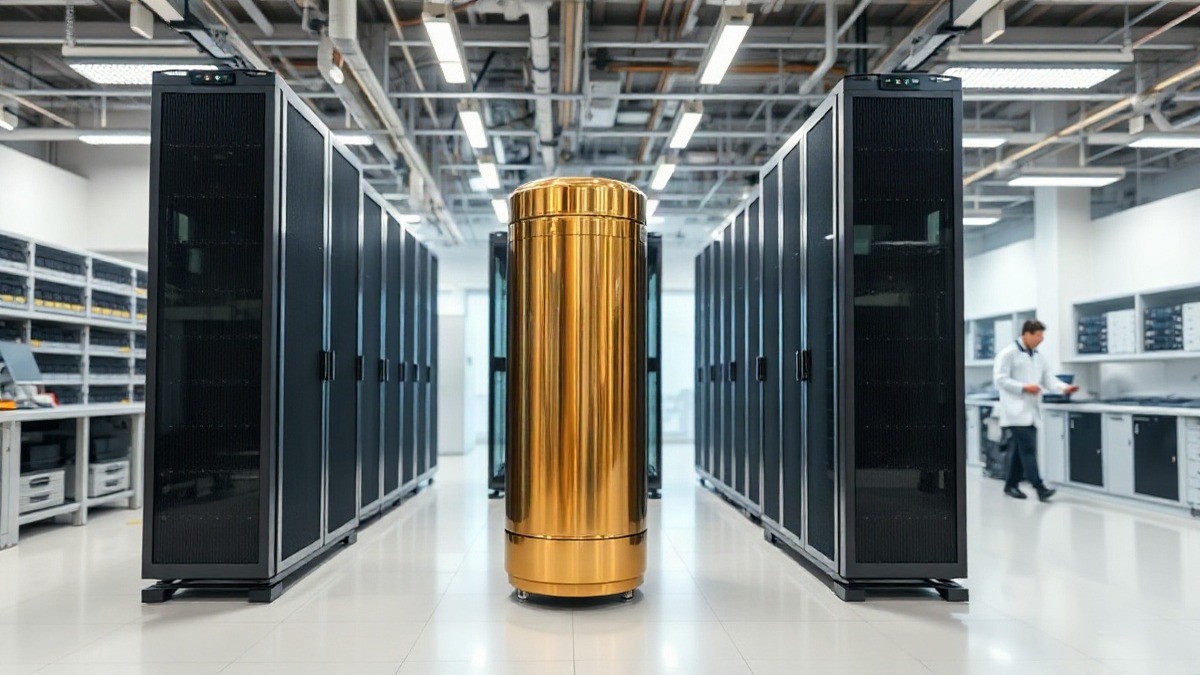
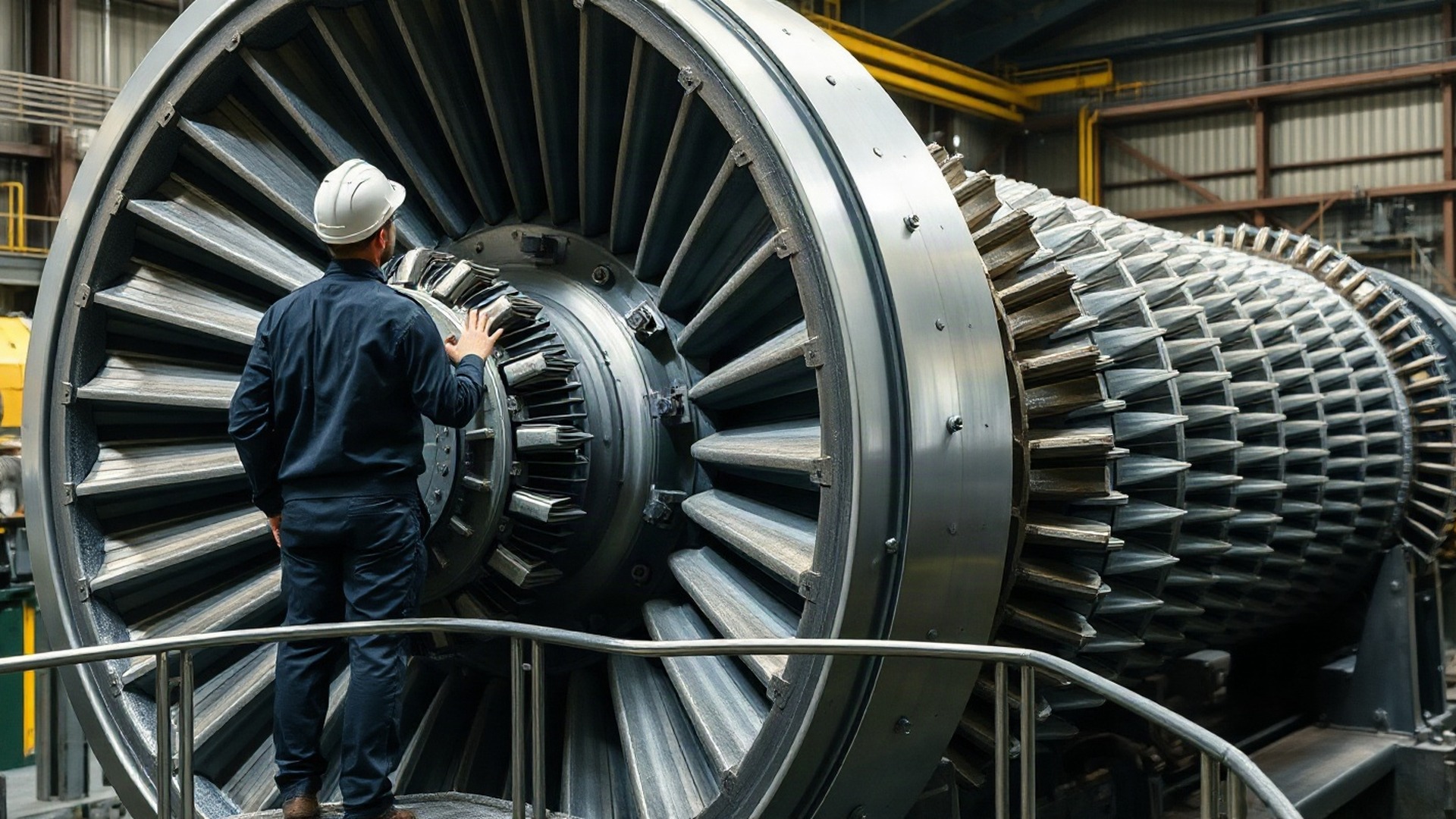
Google didn't wait for a new reactor. Georgia Power asked regulators on September 21 to approve 96 more megawatts at Vogtle and Hatch, funded by Google through a new uprate tariff. Georgia Power puts the customer benefit near $900 million over the units' lives. An uprate is renovation, not construction: crews upgrade turbines, pumps and cooling systems so an existing reactor runs hotter.
That is the playbook Constellation Energy owns at scale. Constellation runs the largest nuclear fleet in America: 31,676 megawatts, 22,069 of it nuclear, across 14 stations and 25 units. Those ran at a 94.7% capacity factor last year, and the output increasingly goes straight to hyperscalers. Picture the landlord of the last rent-controlled building in the path of a skyscraper boom.
| Price LIVE | $262.11 |
| Market Cap | $92.1B |
| Forward P/E | 19.54 |
| Total Revenue (TTM) | $31.27B |
| 52-Week Low | $228.63 |
| 52-Week High | $412.70 |
| Analyst Consensus | Buy |
| Analyst Target Mean | $348.55 |
Georgia makes the case better than any slide deck: it has more data centers under construction than any other state. Nuclear supplied more than a quarter of its electricity last year, and Plant Vogtle is the country's largest clean-energy generator.
Hyperscalers need firm, carbon-free power in every hour, and the interconnection queue can't deliver it on their schedule. You know surge pricing from ride-hailing apps; this is the grid's version.
Google isn't shopping for a single answer either. Twelve days earlier it signed a $15.1 billion, 22-year agreement with Finland's Fortum for up to half the output of the Loviisa plant. That power supports at least three data centers. Two continents, two subscriptions, one principle: the cheapest firm megawatt is the one already on the grid.
Constellation has run this play before. In June it signed Walmart to a 176 megawatt Dresden deal that included 30 megawatts of uprates, the same mechanism Georgia Power sold to Google. Crane, a restarted Pennsylvania reactor, is 835 megawatts for Microsoft under a 20-year contract with $1.0 billion of federal support.
Management has mapped about 9,350 megawatts of near-term additions across restarts, uprates, relicensing and new build. On the second-quarter call the CEO put uprate potential alone at roughly 1.1 gigawatts, about 5% of the nuclear fleet. He framed the urgency in one line. "We are never going to build this economy if we have to wait for new power plants."
Now the part that decides whether you get paid. Constellation trades at a premium to its merchant peers, and that holds only if the market believes these deals convert volatile power prices into contracted cash flow. The Georgia tariff matters most as a template. If regulators bless the structure, other states copy it and uprates become a product line.
Then there is the tape. Constellation fell about 13% over six sessions from September 9 to September 18, in a stretch when it raised full-year guidance to $11.50 to $12.50 a share. The cause wasn't the megawatts.
The overhang is mechanical, not fundamental. Shares issued as consideration for the $26.6 billion Calpine acquisition kept arriving on the market. Rising bond yields squeezed utility multiples, and on September 21 the New York Times published a piece on Wall Street's growing skepticism about the data center boom.
The bear case writes itself. An uprate is a 5% answer to a question measured in hundreds of gigawatts; ERCOT alone is auditing 474 gigawatts of large-load requests. Uprates add energy in every hour and almost nothing in the four that decide reliability. The CEO said it himself: "We have a peak capacity concern, not an energy concern". Capital spending of $3.9 billion swallows nearly all of $4.2 billion of operating cash flow. What proves the bears right is a soft PJM capacity auction or Georgia regulators shaving the tariff's economics.
Circle two things from here. The Georgia PSC's rulings on dockets 44280 and 56002 land first, and no hearing date is public yet. Those rulings set the template other states copy. Then comes the next quarterly report, where the numbers to watch are newly signed megawatts and whether guidance holds inside the range it raised in August.
Wall Street sold the reactor owner over a share overhang. Google and Walmart showed up with contracts, and the premium was always about the megawatts. The selloff is a tenant-screening problem, not a building problem. The renovation, meanwhile, is already permitted.
Disclosure: The Signal holds no position in CEG. Positions may change. This is not financial advice.