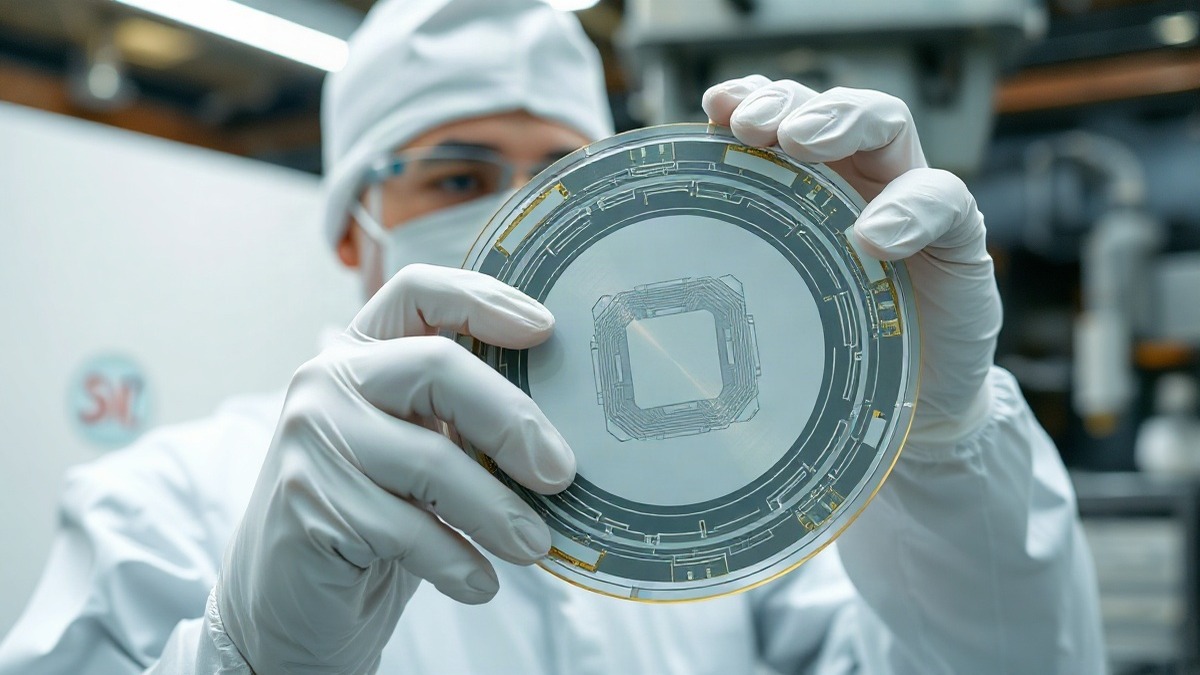
Axon is the company behind the TASER and the body cameras strapped to hundreds of thousands of police officers — the less-lethal tool that ended countless bar fights and the lens that records every traffic stop. If you've ever watched body-cam footage on the news, you've watched Axon's product. What most people miss: every one of those cameras feeds the same software platform — the one that has quietly made Axon one of the more interesting AI stories in America, with a defense wing forming above it.
Call the hardware the Trojan horse. For two decades Axon sold cops the gear; along the way it built the digital evidence system those agencies run on. Now it's selling them AI agents — Draft One, which writes police reports straight from camera footage, Axon Assistant, a voice agent for officers, and Axon 911, an AI brain for call centers. Same customers, same contracts, far bigger checks. Nearly all large domestic agencies now include AI in their purchases.
That engine showed up again in the quarter reported in early August: revenue up 35% to $904 million, the tenth straight quarter of 30%-plus growth, with software and services alone at $398 million. Annual recurring revenue climbed 39% to $1.64 billion. Future contracted bookings hit $15.1 billion — roughly 4.7 times trailing revenue — and management raised full-year guidance to 32-34% growth. A beat, sure — the composition is the story.
The AI Era Plan — Axon's bundle of Draft One, Assistant, and the rest — grew about 700% year over year from a small base, and Axon Assistant has now passed a million uses. Three of the five biggest AI Era deals this quarter were international. Two nine-figure agreements with major U.S. cities closed too, one the largest TASER order in company history — proof the old hardware line still feeds the new one.
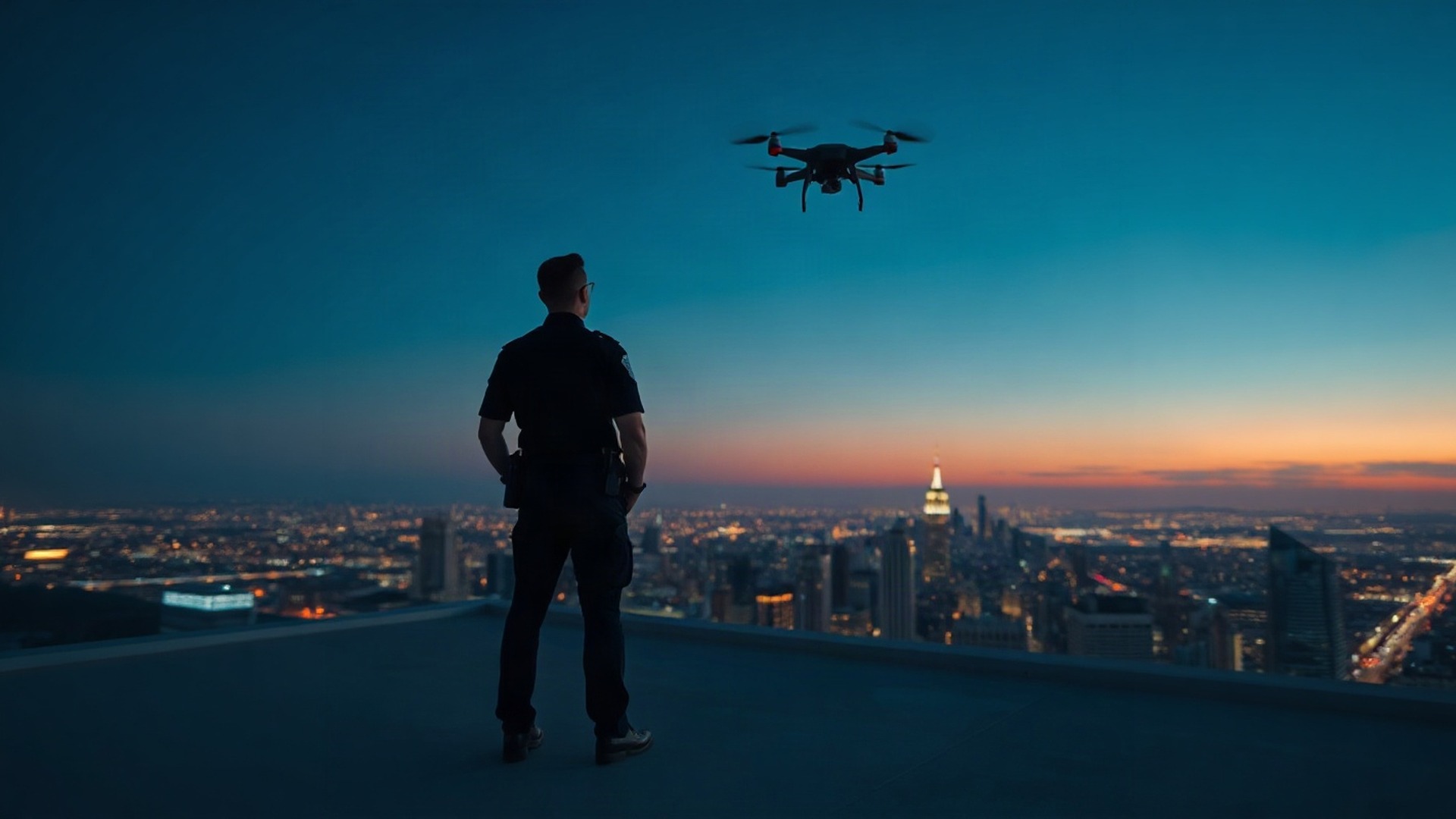
Then there's the second act: the sky. Dedrone, the counter-drone business Axon bought in 2024, crossed $100 million in revenue in a single quarter for the first time. Its kit protected all 11 U.S. World Cup host stadiums plus 50-odd more sites this summer — and stayed in place after the final whistle. Platform Solutions — drones, counter-drones, VR training — grew 123% to $150 million. Add the exclusive Skydio reseller deal, X10 and R10 birds in the Axon Air lineup, plus May's Echodyne radar partnership, and you're looking at a drone-as-first-responder stack, not a side project.
The pitch is absurdly good. In Brookhaven, Georgia — company-reported numbers, so take them as such — drones answered calls in 53 seconds on average, covered 96% of the city, and cleared about 10% of calls without ever dispatching an officer. A drone can be overhead before a cruiser leaves the station.
Zoom out and the pattern is obvious: the same agentic-AI wave washing through enterprise software is hitting public safety, and Axon is the closest thing that vertical has to a Salesforce — it owns the customer, the data, and the workflow. Management now pegs its addressable market at $159 billion, up from about $50 billion in 2023, mostly because AI and 911 call-taking redrew the map. In an AI trade obsessed with who's selling shovels, Axon sells the whole mine.
The stock hasn't been a straight line — shares sit roughly a third below their high-water mark after a macro yield spike and margin scrutiny, though they're still up big off the spring lows. Give the bears their due: the multiple is rich at about 49 times forward earnings, margins are under the microscope as memory and component costs bite (one quarter got flattered by tariff refunds), and the privacy debate around AI that watches and writes about citizens isn't going anywhere. Dedrone's defense ramp is early innings — its marquee wins so far are stadiums, airports, and critical infrastructure, while the big 2026 DoD counter-drone awards went to other names.
But here's the thing: the bear case is about the price; the bull case is about the position. Ten straight quarters of 30%-plus growth, churn the company calls de minimis, two product lines compounding at triple-digit rates, and a distribution lock on the agencies that protect nearly every city in America. The TASER was never the endgame — it was the wedge. And now the wedge has wings.
Disclosure: The Signal holds no position in AXON. Positions may change. This is not financial advice.