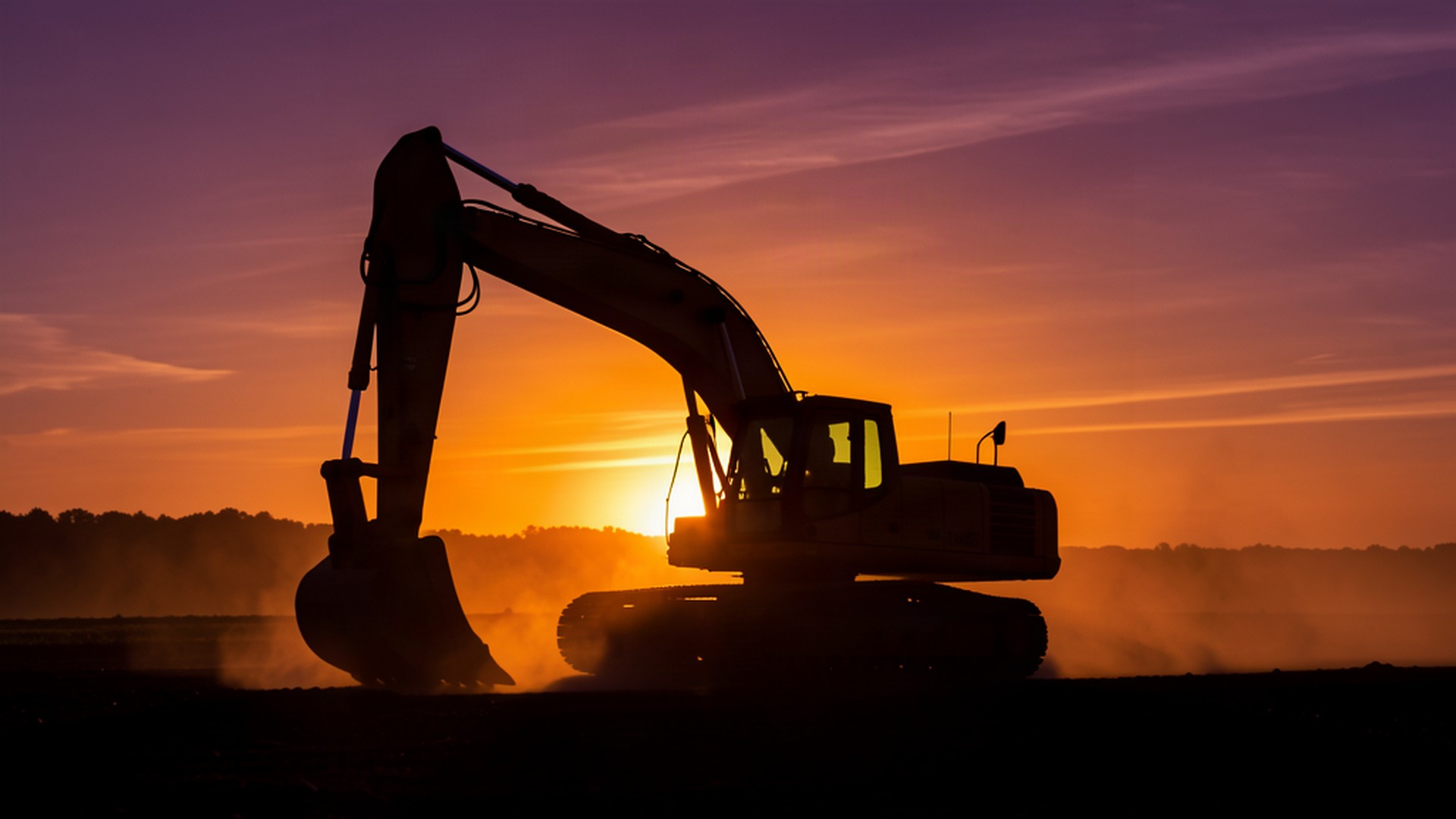
When people talk about the AI trade, the conversation usually starts with chips, servers, and racks full of GPUs. But the AI boom has a dirt-and-diesel side, and the company that just proved it loudest isn't a chipmaker at all. Caterpillar — the maker of the yellow machines you see on every construction site — reported the best quarter in its history on Tuesday, blowing past every estimate and raising its outlook for the rest of the year. The message was simple: the AI buildout is real, it's physical, and Caterpillar is selling the shovels.
Put the numbers in perspective. Revenue came in at a record $20.5 billion, and adjusted earnings per share of $8.17 crushed the $6.25 analysts expected — a beat of roughly 30%, the kind of gap that doesn't happen by accident. Management didn't stop there. They raised full-year revenue growth guidance, which tells you the quarter wasn't a one-off spike but the start of something bigger. On the news, shares surged, and investors who had spent months debating whether the industrial side of AI could ever deliver finally got their answer.
Part of what makes this quarter convincing is what's sitting in the pipeline. Caterpillar is carrying roughly $72 billion in backlog — work that's already been ordered and contracted, giving the company unusual visibility into the next couple of years. In an industry where orders can evaporate overnight when the cycle turns, that's a genuine moat. It means dealer lots aren't just full of inventory; they're backed by real demand from customers who have signed on the dotted line. Backlog that size also gives management the confidence to keep investing through uncertainty, and it gives shareholders something rare in industrials: a multi-year line of sight on revenue.
So why is an AI story suddenly a Caterpillar story? Because data centers are insatiable consumers of power and concrete. Every new AI campus needs massive electrical infrastructure, backup generators that keep the facility alive through any grid hiccup, and months of earthmoving and foundation work before the first server rack ever goes in. Caterpillar sits at both ends of that equation. Its power generation business builds the generator sets and turbines hyperscalers are snapping up, and its construction segment moves the dirt and pours the concrete. When the biggest tech companies on earth announce another round of capex, a meaningful slice of that money eventually lands in Caterpillar's order book.
The energy side is where the growth is sharpest. Management pointed to power generation as a standout, with demand for data center backup and prime power running well ahead of supply. That's a nice position to be in — when your customers are hyperscalers spending through any interest rate environment, pricing power tends to follow. The construction side isn't far behind either; the data center campuses being built today rank among the largest earthmoving projects in the world, and Caterpillar's dealers are the ones supplying the fleets.
There's a bigger signal here, too. Caterpillar has always been the industrial bellwether — the company economists watch to gauge the health of the global economy, because its dealers' order books reflect real activity, not speculation. When Caterpillar says demand is accelerating and raises guidance, it's not a spreadsheet projection; it's a read on excavators, generators, and cranes that are actually being ordered. That's why this quarter matters beyond the stock. It's evidence that the AI infrastructure buildout is translating into physical economic activity at a scale we haven't seen in decades — and for the rest of the market, it's a leading indicator worth watching closely. When Caterpillar's machines are busy, the economy usually follows.
None of this makes the stock a risk-free bet. Caterpillar is still a cyclical company, exposed to a China slowdown, commodity swings, and the age-old risk that hyperscalers eventually tap the brakes on spending. But the setup right now is about as good as it gets: record revenue, a massive earnings beat, raised guidance, and a $72 billion backlog tied to the strongest demand story of the decade. For investors looking for a way to own the AI buildout without owning another chip stock, Caterpillar just made a compelling case that the yellow machines belong in the trade too.
Disclosure: The Signal holds no position in CAT. Positions may change. This is not financial advice.