Axon Enterprise builds the technology stack that modern law enforcement runs on. Think of it like Apple for public safety: the TASER and the body camera are the physical hooks, but the high-margin business lives in the cloud subscriptions that store, redact, and analyze the footage. Police departments, sheriffs, state corrections agencies, and healthcare campuses run their daily operations through Axon Evidence and modern records software. Software and Services is now 48% of revenue, and even the hardware ships inside multi-year subscription plans. Local tax dollars, in other words, arrive as software annuities.
In the broader AI ecosystem, Axon serves as the premier shovel seller for the justice system. Police officers spend hours every shift completing paperwork, and Axon's flagship AI Era Plan uses automated transcription to draft police reports directly from body-cam audio. That dynamic creates an impenetrable data moat. Once a municipality archives a decade of evidentiary video inside Axon's cloud, switching providers becomes an operational nightmare.
Yet Wall Street just severed the equity from its cloud peers with brutal efficiency. Shares dropped roughly 18% in the session following its fiscal third-quarter earnings report, even as the Nasdaq rose. Third-quarter revenue rose 28% year over year to $908.6 million, missing consensus estimates. Management cut full-year top-line growth targets to roughly 30% from a prior high of 34% and pared back free-cash-flow expectations to between $350 million and $400 million. The stock now sits near its lowest level in about a year, down by more than half from its summer peak.
| Price LIVE | $302.54 |
| Market Cap | $24.6B |
| Forward P/E | 32.0x |
| Total Revenue (TTM) | $3.42B |
| 52-Week Low | $291.45 |
| 52-Week High | $665.07 |
| Analyst Consensus | Buy (19 analysts) |
| Analyst Target Mean | $541.32 |
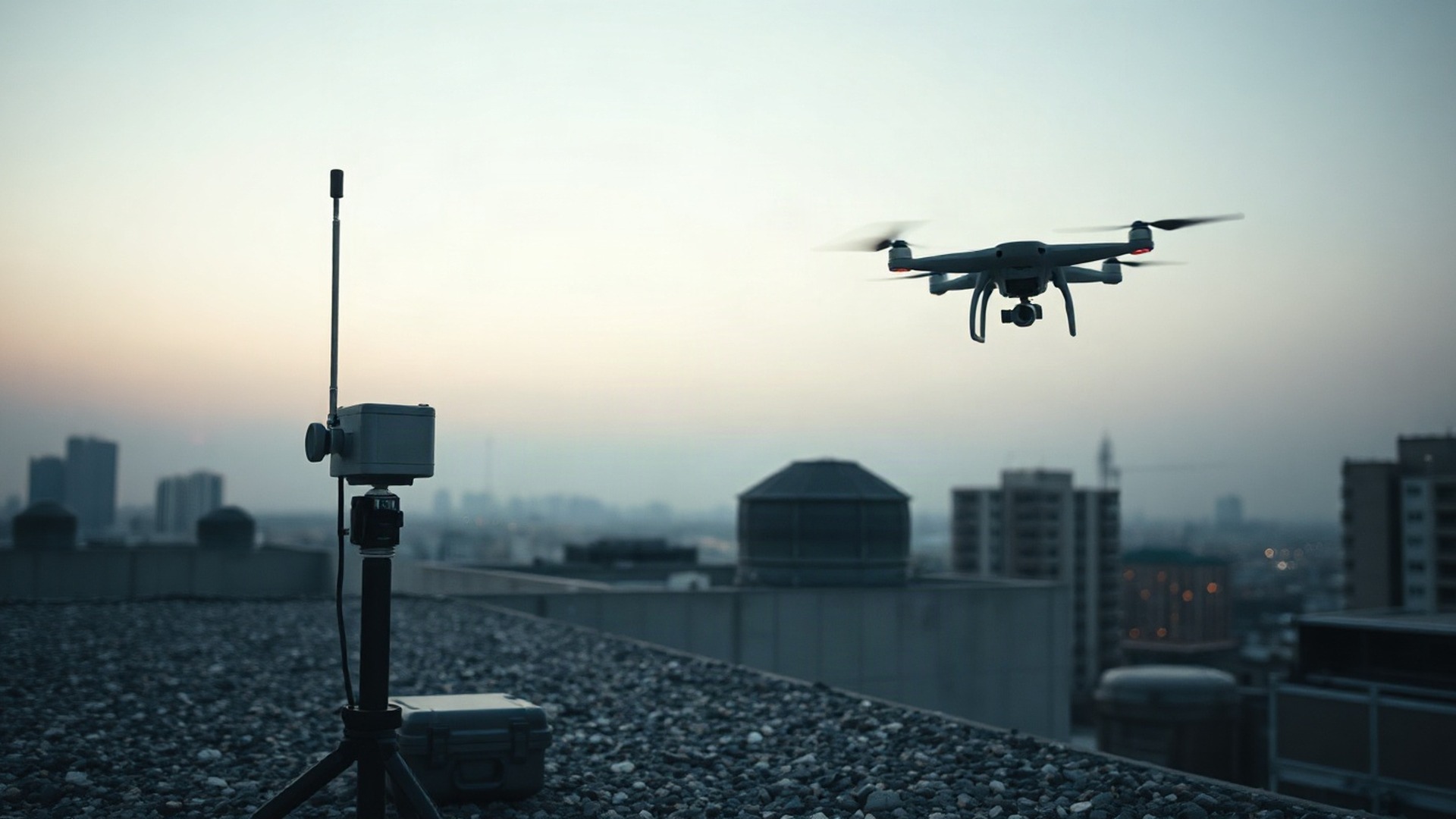
The problem was remarkably specific: three federal counter-drone deployments under the Dedrone banner failed to close before the fiscal year ended. Government procurement slowed around funding debates and election cycles, pushing $30 million of anticipated revenue out of the third quarter and another $100 million out of the fourth. The $130 million delay erased nearly 500 basis points of annual growth and pushed roughly $200 million of bookings with it. In response, management reset guidance policy: lumpy federal defense deployments are now excluded from forecasts until gear actually ships.
Look underneath that federal air pocket, and the core software business looks like an elite compounder. Software and Services revenue climbed 43% year over year to $437 million, generating 48% of total revenue with adjusted gross margins at 75%. Annual recurring revenue reached $1.75 billion, up about 40%, while net revenue retention clocked in at 126%. Police departments are not canceling contracts; they are expanding their spending by 26% each year as they adopt integrated bundles.
The newer product catalog is scaling even faster. AI-specific annual recurring revenue surpassed $100 million. The wider 2026 software stack — real-time operations, Axon Records, Axon AI, Axon 911 and Dedrone software — now runs at close to a $500 million annual rate, more than double last year. Major customer commitments continued to roll in, including a $258 million corrections department contract and a $115 million deal covering premium software and Fusus sensor integration. Total future contracted bookings expanded 39% to $15.8 billion.
The short-seller thesis is that Axon is becoming an erratic federal hardware contractor disguised by a software multiple. Revenue growth decelerated seven percentage points in a single quarter, sliding from 35% in the second quarter to 28% in the third. That closes out a fiscal year in which leadership raised guidance twice before missing the mark. Total gross margin dropped to 56.7% from 60.1%, with TASER revenue shrinking 2% and rising memory costs slated to pressure device margins further in 2027.
Cash conversion broke down completely: nine-month free cash flow landed at negative $74.5 million, and a strategic inventory build will absorb roughly $225 million of cash across the full year. Meanwhile, rival Motorola Solutions raised full-year guidance a day earlier, posting $1.258 billion in quarterly software sales alongside a record $16.6 billion backlog. With Axon deploying roughly $720 million of cash into a 37% non-consolidated stake in drone maker Skydio, net debt climbed to $1.25 billion, exposing an increasingly capital-hungry balance sheet.
To earn back its premium valuation, Axon must prove this misstep was an accounting calendar delay rather than a structural ceiling. The re-rating test arrives with fiscal 2027 guidance in February. If management guides fiscal 2027 revenue above $4.5 billion—roughly 25% growth over this year's $3.62 billion baseline—with software still compounding near 40%, the market will view the Dedrone holdup as a passing procurement glitch. If guidance comes in below 25%, the stock will be priced as cyclical hardware.
We are watching whether those three delayed federal Dedrone contracts surface as closed bookings in the February release.
Axon still commands the operating system of public safety, but Wall Street will no longer pay software multiples for hardware that remains stuck on the tarmac.
Disclosure: The Signal holds no position in AXON. Positions may change. This is not financial advice.