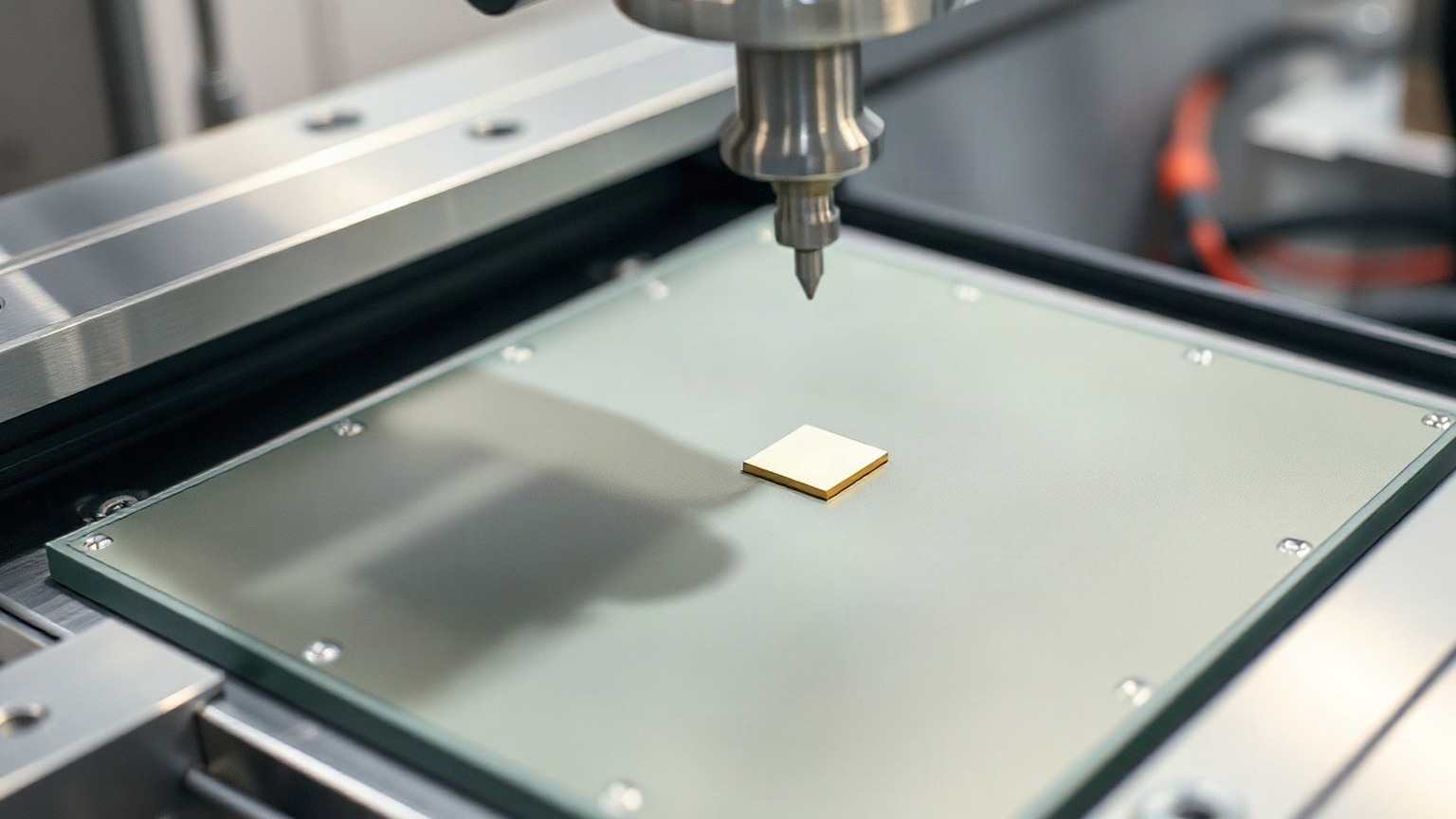
You can print the most sophisticated silicon in human history, but until someone packages it, you just own an expensive glass coaster. Modern artificial intelligence accelerators are not single slabs of silicon. They are sprawling microscopic cities where central compute dies sit inches away from towering stacks of high-bandwidth memory. Getting those distinct components wired together on an ultra-thin interposer without frying the system is called advanced packaging. It has quietly become the tightest bottleneck in global tech. When Taiwan Semiconductor Manufacturing Company’s chief executive admitted capacity is so choked it limits customer growth, he was pointing right at this step.
Enter Amkor Technology. Amkor does not fabricate raw silicon wafers; foundries and chip designers hand those over. Amkor operates as the back end of the industry. Its technicians slice the wafers into individual dies, stack them, link them to substrates, seal the protective lids, test the circuits, and ship finished hardware out the door. Think of the foundries as custom fabric weavers, while Amkor is the master tailor assembling the final three-piece suit. It is the largest American-headquartered packaging specialist and sits second globally only to Taiwan’s ASE Technology Holding.
| Price | $39.94 LIVE |
| Market Cap | $9.90B |
| Forward P/E | 14.3x |
| Total Revenue (TTM) | $7.46B |
| 52-Week Low | $29.50 |
| 52-Week High | $96.68 |
| Analyst Consensus | Buy (10 analysts) |
| Analyst Target Mean | $67.50 |
For decades, Wall Street treated this business like a pedestrian utility chained to consumer gadget cycles. When phone upgrades stalled, Amkor suffered. That historical baggage explains why the latest third-quarter print looked thoroughly mediocre on paper.
Net sales crawled to $1.99 billion, up just 0.2% year over year. Diluted earnings came in at $0.76 per share, and management guided the fourth quarter down sequentially. Yet the stock jumped roughly 8.5% the day after reporting. Context matters: shares had dropped about 6% the session before, making the move partly an unwinding of an oversold setup.
What truly flipped the script was the revenue mix under the hood. Communications revenue, primarily driven by smartphones, collapsed from 51% of sales a year ago to 37%. Component shortages and a major customer cutting production dragged it down roughly 28%. Ordinarily, that drop would trigger a rout.
Instead, computing revenue surged 37% year over year to reach a record 26% of sales. Management projects computing will grow north of 30% through 2026, with equal or better momentum heading into 2027. Investors do not care about lost handset volume if higher-margin data-center racks take its place. The market is aggressively repricing Amkor from an Apple-dependent cyclical into an indispensable toll booth for artificial intelligence infrastructure.
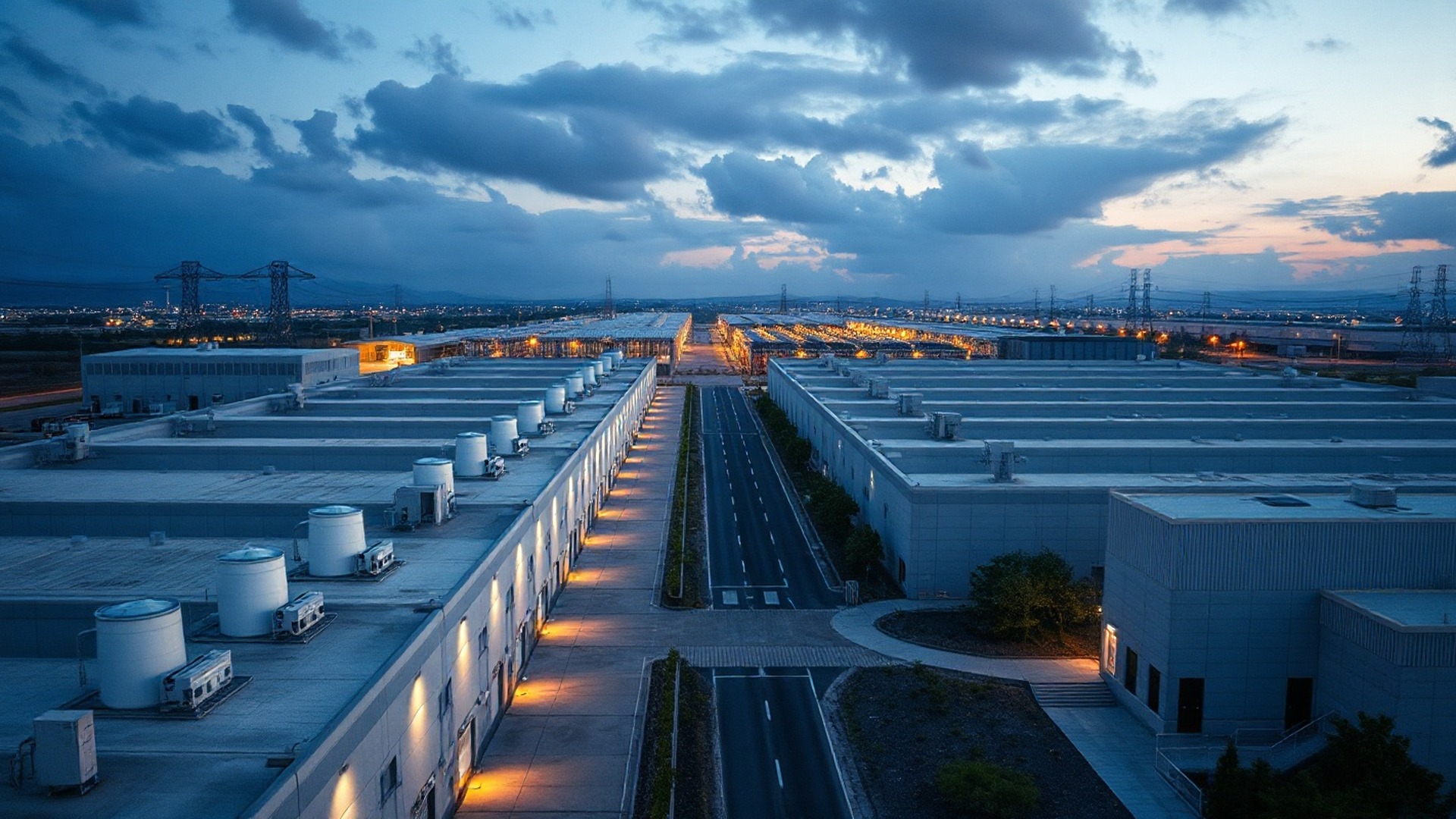
The structural story offers plenty of fuel for that multiple expansion. TSMC signed a ten-year deal in June to offload advanced packaging and test work to Amkor, proving even the industry giant needs backup. Amkor's custom high-density fan-out programs are ramping with cloud hyperscalers, alongside two fresh data-center programs launching in the fourth quarter. Backing all of this is an ambitious $12 billion campus in Arizona spanning 170 acres. Phase one aims to bring 1.8 million square feet online by the first half of 2028. Backed by federal CHIPS Act awards and generous tax credits, Amkor is betting it can become the primary onshore packaging hub for North America.
A short-seller would tell you that this grand transformation is setting cash on fire ahead of demand that may arrive too late. Operating cash flow totaled $868 million through the first nine months, while capital spending hit $1.24 billion, driving free cash flow firmly into the red. Purchase obligations due within twelve months stand at $2.64 billion, which essentially swallows the company’s $2.38 billion cash balance.
Gross margins climbed to 18.3%, but that bump came from lower raw-material costs rather than pricing power, even as fixed labor and depreciation expenses expanded. More alarming, actual dollars from advanced products fell year over year, meaning low-margin mainstream legacy assembly carried the quarter's modest volume. Market analysts track the industry packaging shortfall narrowing from 20% toward 10% by year-end. Rival ASE boasts three times Amkor's revenue, and China’s JCET just lifted its 2026 capital budget by more than 70%. Amkor risks opening a massive desert campus just as the capacity crunch evaporates.
For the equity to permanently re-rate, computing must cross 30% of total revenue while gross margins hold comfortably in the high teens. That milestone would prove the shift delivers lasting structural leverage rather than just papering over handset weakness. What we are watching next is whether fourth-quarter advanced-product revenue stops contracting and inflects back into positive territory.
Amkor is wagering its future on the idea that in the age of generative intelligence, how you wrap the chip matters just as much as how you bake it.
Disclosure: The Signal holds no position in AMKR. Positions may change. This is not financial advice.