You see a 30% pullback and your instinct says it's a gift. In AI infrastructure, it sometimes is — and sometimes it's a trap wearing a discounted tag.
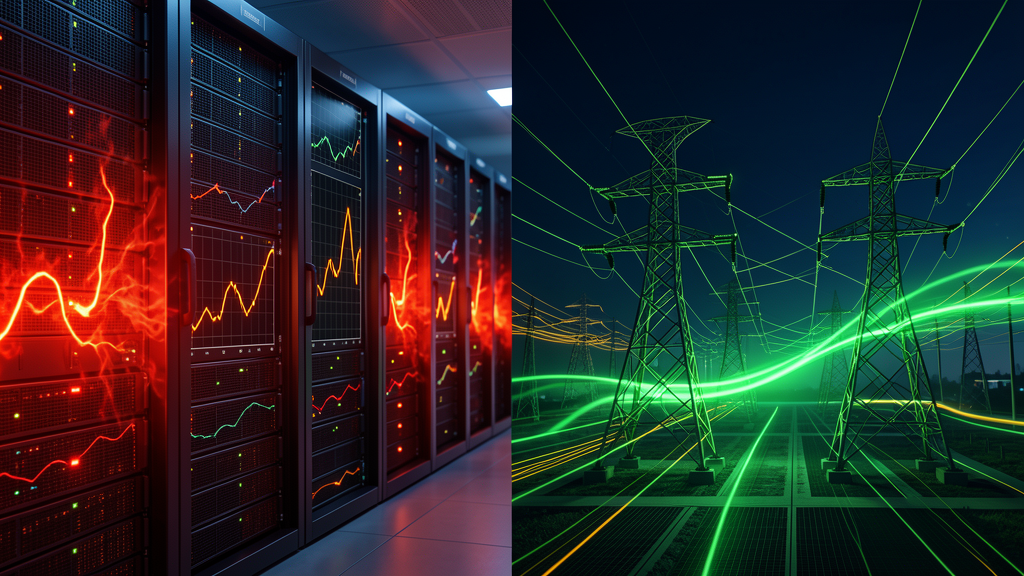
The sector is flashing a bifurcation signal right now. On one side, there are companies whose revenue growth masks structural margin weakness and balance sheet fragility. On the other, there are utility-anchored moats and grid infrastructure monopolies with multi-year revenue visibility that almost no one on Wall Street is pricing correctly.
Here's the full map — which names to avoid, which to watch, and which to buy on the dip.
1. The Value Trap: Super Micro Computer (SMCI) — AVOID
Supermicro's top-line numbers look incredible on the surface. But peel back the hood and you find extreme operational margin volatility. Gross margins have slipped to historic lows — between 6.3% and 9.5% — driven by component supply bottlenecks, expedite fees, and negative operating cash flows in recent quarters.
Balance Sheet Risk: SMCI is carrying $8.8 billion in debt and convertible notes with inventory building up and zero pricing power against hyperscale customers who can — and do — pivot to rival server integrators on a quarterly basis.
Verdict: Despite $39B+ in reported backlogs, 7% gross margins leave zero cushion for execution errors. This is not a dip buy. This is a knife catching a falling blade.
2. The High-Beta Stretch: Vertiv Holdings (VRT) — WAIT FOR A DEEPER DIP
Vertiv is the undisputed liquid cooling leader backed by a $15 billion backlog — up 109% year-over-year. The business is first-rate. The valuation, however, is not.
After more than tripling off last year's lows, VRT has just been through a sharp post-earnings selloff — yet even after that pullback, the stock still trades at a forward P/E in the mid-to-high 30s with a beta above 2, and it now sits below Wall Street's average price target while fair-value estimates hover barely under the current price. The multiple has compressed, but the cushion is thin — and any broader tech sector correction risks a deeper leg down.
Verdict: A premier business, but priced for perfection. Put it on the long-term watchlist. Do not chase it here.
3. Long-Term Dip Buy #1: Vistra Corp (VST) — ACCUMULATE ON PULLBACKS
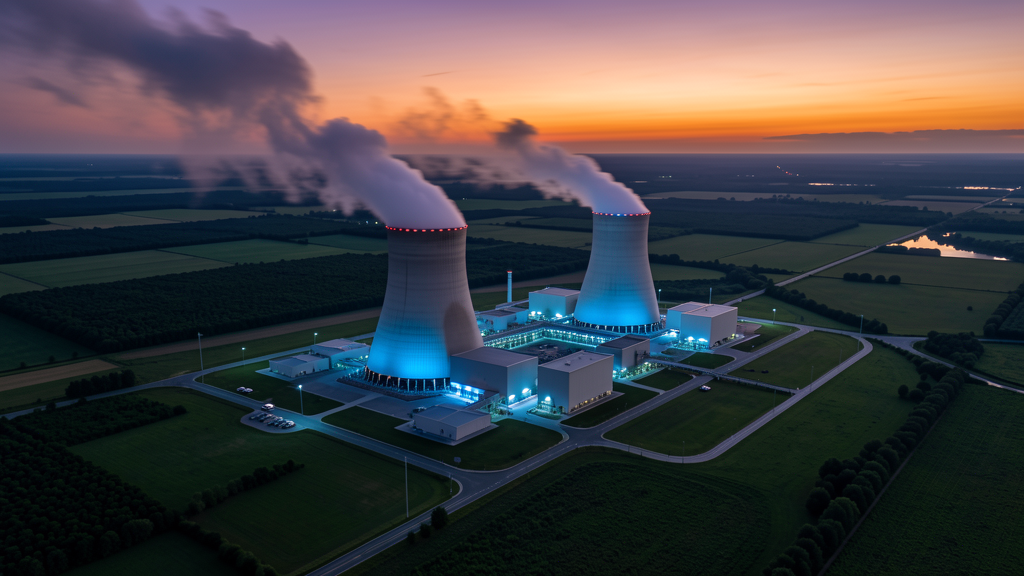
Unlike speculative tech hardware, Vistra operates as a critical baseload energy provider with regulated downside protection. Following the Energy Harbor acquisition and the 20-year nuclear PPAs locked in with Amazon and Meta, Vistra has committed long-term, high-margin revenue from power-starved data center corridors in PJM and ERCOT.
The moat is simple: regulated power generation provides utility-like downside defense paired with AI-driven upside. This is the kind of cash flow profile that compounders are made of.
4. Long-Term Dip Buy #2: GE Vernova (GEV) — THE $176B GRID ELECTRIFICATION MONOLITH
GE Vernova sits directly in the path of the global grid buildout required to power AI data centers. This is not speculative. This is physical, contracted, multi-year revenue.
The Bull Thesis: Q2 orders surged 88% year-over-year to $24.2 billion — a book-to-bill ratio above 2x — pushing total contracted backlog to a record $176 billion.
Cash Generation Boom: Management raised full-year 2026 revenue guidance to $45.5B–$46.5B and nearly doubled its free cash flow guidance to $11.5B–$12.5B.
AI Infrastructure Pillar: Electrification orders from data center operators exceeded $5 billion year-to-date — already double full-year 2025 totals — while Gas Power capacity under contract expanded to 116 GW.
| Ticker | Verdict | Key Metric |
|---|---|---|
| SMCI | AVOID | Gross margins: 6.3–9.5% |
| VRT | WAIT | Forward P/E: mid-to-high 30s, still rich |
| VST | BUY THE DIP | 20-yr nuclear PPAs with AMZN, META |
| GEV | BUY THE DIP | Backlog: $176B; FCF guidance: $11.5–12.5B |
The Bottom Line
When market volatility hits AI infrastructure names, the instinct is always the same: buy the dip. But smart capital rotates, not chases.
Avoid: Low-margin hardware assemblers like SMCI where revenue growth masks thin profitability and zero pricing power.
Hold / Wait: High-flyers like VRT until valuations cool down to fair value.
Buy the Dip: Regulated nuclear energy giants (VST) and cash-printing grid infrastructure monoliths (GEV) that hold massive, multi-year contracted backlogs. These are the companies the AI boom physically cannot run without — and the dip is real value, not a mirage.
References
- SMCI — SEC 10-Q filings (margin data, debt structure): SEC EDGAR
- VRT — Q1 2026 earnings release, backlog data: Vertiv Investor Relations
- VRT — Forward P/E, analyst consensus: Yahoo Finance VRT Analysis
- VST — Meta & Amazon nuclear PPA disclosures: Vistra Investor Relations
- VST — PJM and ERCOT generation data: PJM Interconnection
- GEV — Q2 2026 earnings release, backlog $176B: GE Vernova Investor Relations
- GEV — Gas Power 116 GW capacity, Electrification orders: GE Vernova Newsroom
- GEV — Full-year 2026 guidance revision: GE Vernova Quarterly Results
Disclosure: The Signal holds no position in SMCI, VRT, VST, or GEV. Positions may change. This is not financial advice.