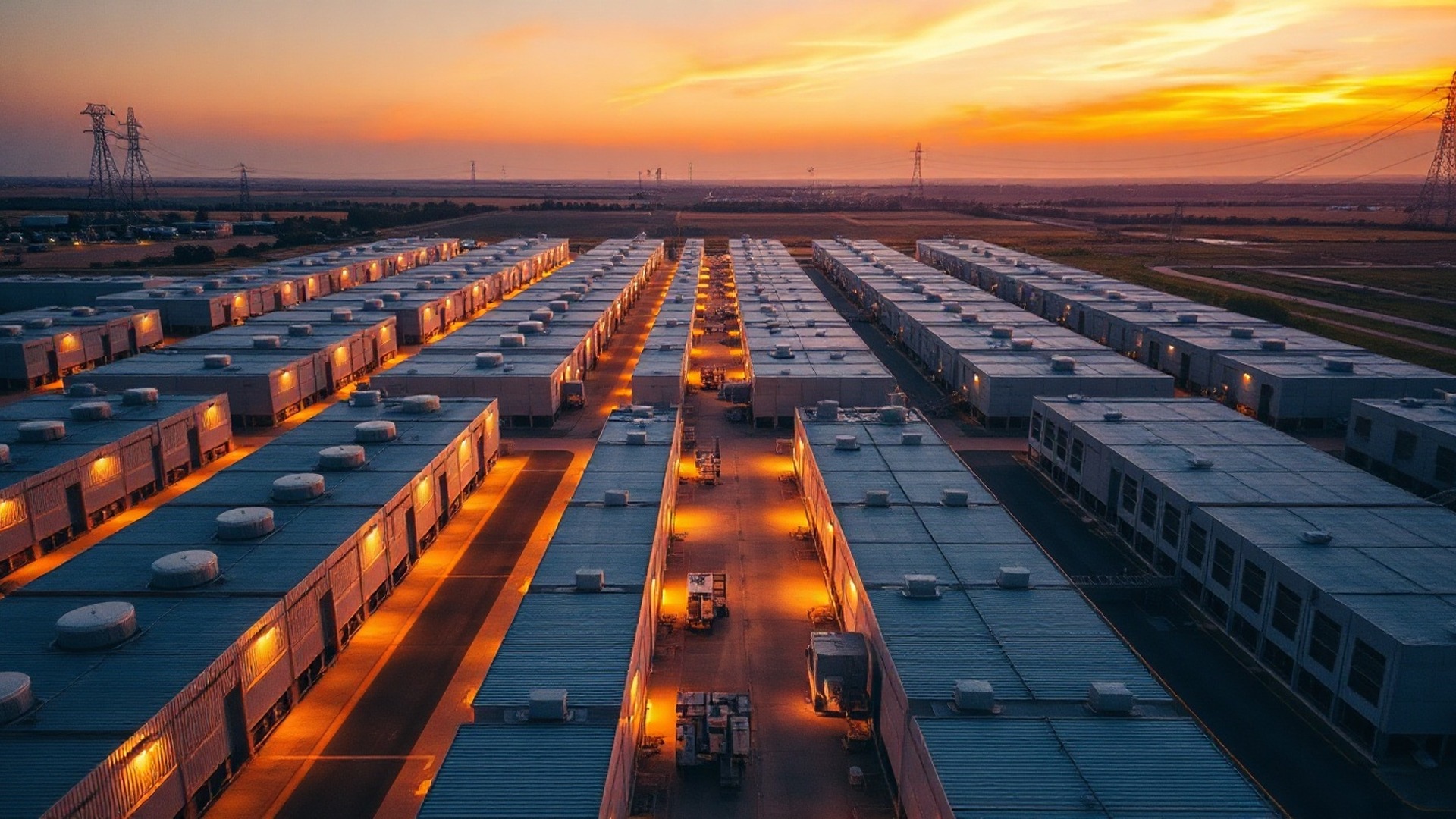
Every time an engineer trains a frontier AI model, thousands of processors talk to each other across a warehouse. Inside a single server rack, standard copper cables carry that conversation easily. But once you connect tens of thousands of chips across vast data halls, copper chokes.
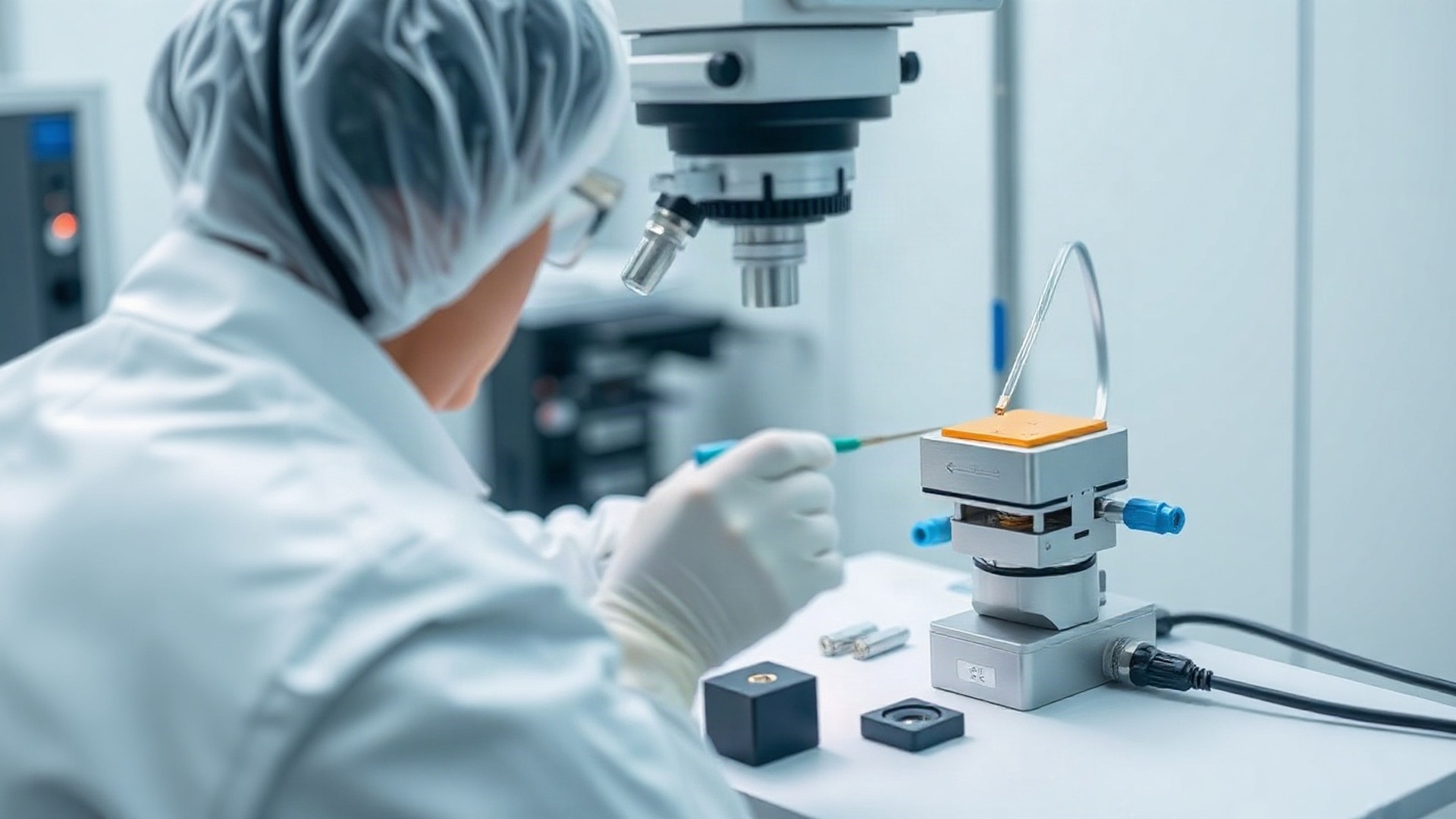
Light won. That physical bottleneck is why fiber-optic networking has become the indispensable highway system of modern cloud computing. Applied Optoelectronics manufactures the optical transceivers and laser diodes that translate electrical data from processors into beams of light. Unlike rivals who depend entirely on merchant suppliers, AOI fabricates its own laser engines in Texas cleanrooms.
| Price LIVE | $130.16 |
| Market Cap | $10.3B |
| Forward P/E | 26.5 |
| Total Revenue (TTM) | $596M |
| 52-Week Low | $18.50 |
| 52-Week High | $233.67 |
| Analyst Consensus | 2.2 (Buy) |
| Analyst Target Mean | $163.40 |
Think of it like an express delivery fleet. If GPUs act as warehouses packing data boxes, transceivers serve as the vans shuttling payloads between depots. Copper cables work fine across a single shelf, like passing groceries across a kitchen counter. But optical transceivers shoot infrared laser beams through glass strands at the speed of light.
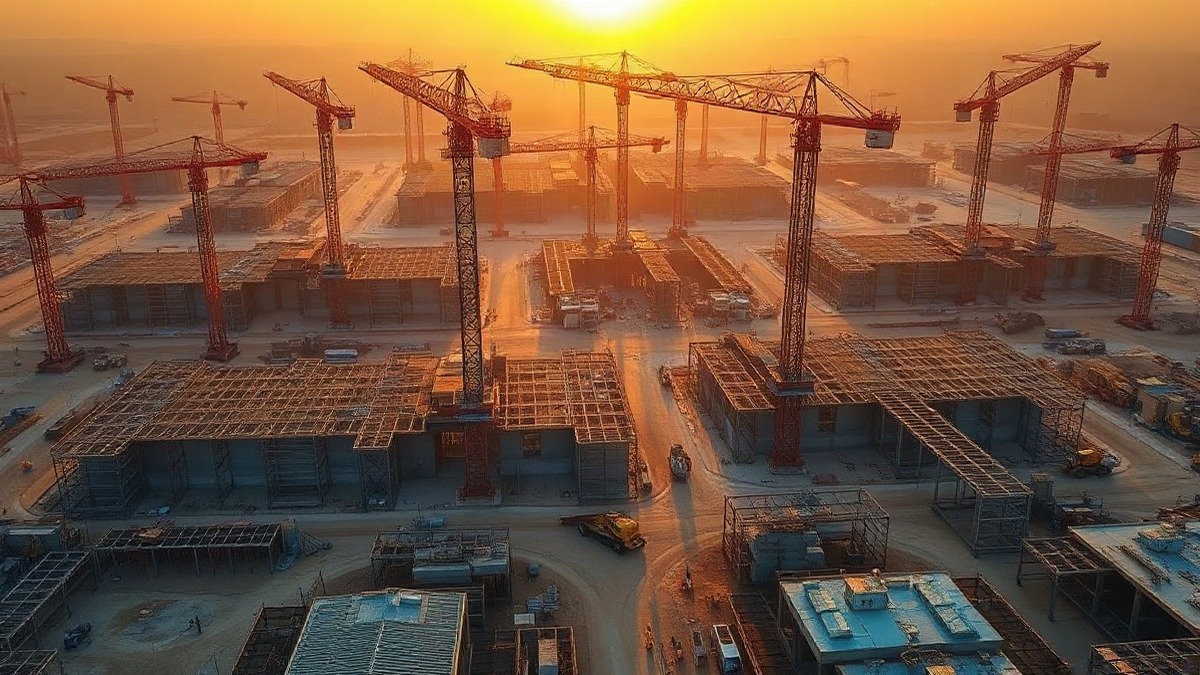
Speed dictates AI scaling. Hyperscale cloud operators are rapidly upgrading networking backbones from 400G to 800G and 1.6-terabit fabrics to keep their expensive compute clusters fully saturated. Management forecasts that 800G optical modules will soon represent its primary revenue driver, with customer orders exceeding plant capacity into 2027. To satisfy that demand, AOI is tripling laser production in Texas and scaling packaging lines in Taiwan.
You experience this dynamic directly on your smartphone. When an operating system update stalls during a cloud sync, your phone freezes. In an AI cluster, latency does not merely frustrate an end user. It idles millions of dollars of expensive compute hardware every single second.
That waste is unacceptable. Optical connections ensure clusters calculate weights rather than waiting on lagging data packets. Hyperscalers cannot afford idle racks when power budgets already strain local utility grids. Every microsecond saved directly improves training efficiency.
What must happen for the equity to re-rate from here? The market has welcomed surging top-line numbers, yet the shares already carry a richer forward multiple than optical peers like Fabrinet and Coherent. That premium reflects persistent skepticism about whether hardware contract manufacturing can ever deliver software-like returns over a complete cycle.
Margins matter. To justify higher multiples, AOI must prove that massive manufacturing volume yields genuine operating leverage rather than low-margin contract assembly. Investors require gross margins expanding comfortably past 32% alongside consistent, quarter-over-quarter operating cash flow that self-funds capital expenditures. Volume without margin is just noise.
The bear case is real and rooted in painful history. Back in 2017, AOI enjoyed a similar demand boom for early data-center optics before sudden customer churn sent shares tumbling 90%. Skeptics emphasize that hyperscaler customer concentration remains severe. If deployment schedules slip or competitors seize market share, high factory overhead will crush earnings.
Capital discipline is the test. To support this massive expansion, AOI closed a $600 million equity offering that added $588 million in net cash to its balance sheet. That cash cushion eliminates liquidity risk and finances cleanroom tools without expensive corporate debt.
Execution decides everything. What we are watching next is the third-quarter report: specifically whether gross margins cross 30% and whether 1.6T customer testing milestones stay on track. The opportunity is massive, but the margin for error is razor-thin.
Disclosure: The Signal holds no position in AAOI. Positions may change. This is not financial advice.