The bell rang on Wall Street this morning and something cracked — the record books.
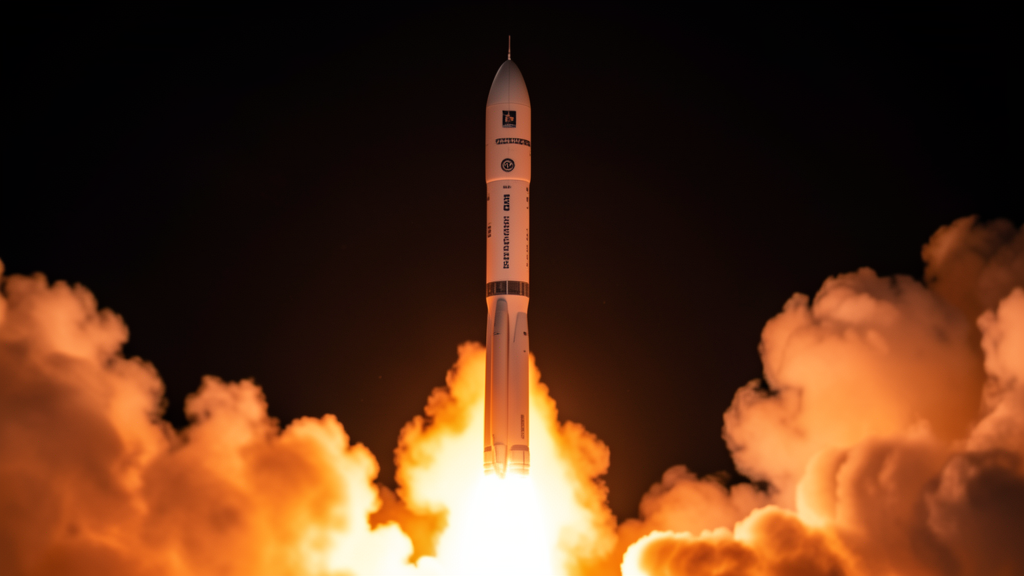
SpaceX didn't just go public. It flexed on the entire exchange. Priced at $135 per share late Thursday, the stock opened at $150 and never looked back, closing at $161.11 for a 19% day-one pop. The $75 billion raise makes every other IPO look like a yard sale.
The math is staggering: $1.8 trillion valuation right out of the gate. That's bigger than the GDP of South Korea. Elon Musk's 42% stake — held personally, not through a trust — vaulted him past the trillion-dollar mark. The world's first trillionaire is now a matter of public record, not speculation.
Not Just Musk Eating
Wall Street analysts were tripping over themselves revising targets before the coffee got cold. Goldman slapped a $185 price target. Morgan Stanley went $195. The bears are nowhere to be found — this thing was 4x oversubscribed before the roadshow even wrapped.
But the real story isn't in Midtown Manhattan. It's in Boca Chica, Texas, where 4,400 SpaceX employees — engineers, welders, machinists — woke up as millionaires. Musk's decision to keep the company private for 24 years means the equity didn't get diluted through seven rounds of secondary sales. The rank-and-file ate first.
Where's the $75 Billion Going?
Don't expect a dividend. SpaceX's S-1 filing was explicit: 78% of IPO proceeds are already allocated to Starlink constellation expansion and the Starship Gigafactory in South Texas. Another $8 billion is earmarked for Mars cargo mission prep in 2028.
Starlink's 5 million subscribers are generating an estimated $6.2 billion in annual recurring revenue. The business isn't a science project anymore — it's a cash printer with a moat the size of low Earth orbit.
The Broader Market Moved
Nobody wanted to be caught flat-footed. Hedge funds sold broader tech ahead of the IPO to make room for SPCX allocations, according to JPMorgan trading desk data. AI names took a breather. Defense contractors caught a sympathy bid. The entire space economy index jumped 4% in sympathy.
CNBC reported that SpaceX proxy plays on crypto exchanges — tokens that track private SpaceX shares — plunged 27% as traders rushed to dump synthetic exposure for the real thing.
What Comes Next
Musk rang the opening bell from Starbase, Texas — not New York. The message was clear: SpaceX answers to physics, not Wall Street. But with quarterly earnings now a legal requirement and institutional shareholders demanding transparency, the company that turned rocket reusability from punchline to product now has a new mission: proving that public markets and Mars ambitions can coexist.
Day one says yes. The ticker is SPCX. The fuse is lit.