You know the F-35. You know the Virginia-class submarine. You probably know the Abrams tank, the Arleigh Burke destroyer, the CH-53K helicopter. But do you know the company that makes the guts of all of them?
That's Leonardo DRS. $11.6 billion market cap. Components inside virtually every major U.S. military platform. And chances are — unless you actively follow defense supply chains — you've never heard of it.
Here's the setup that makes this stock worth your attention.
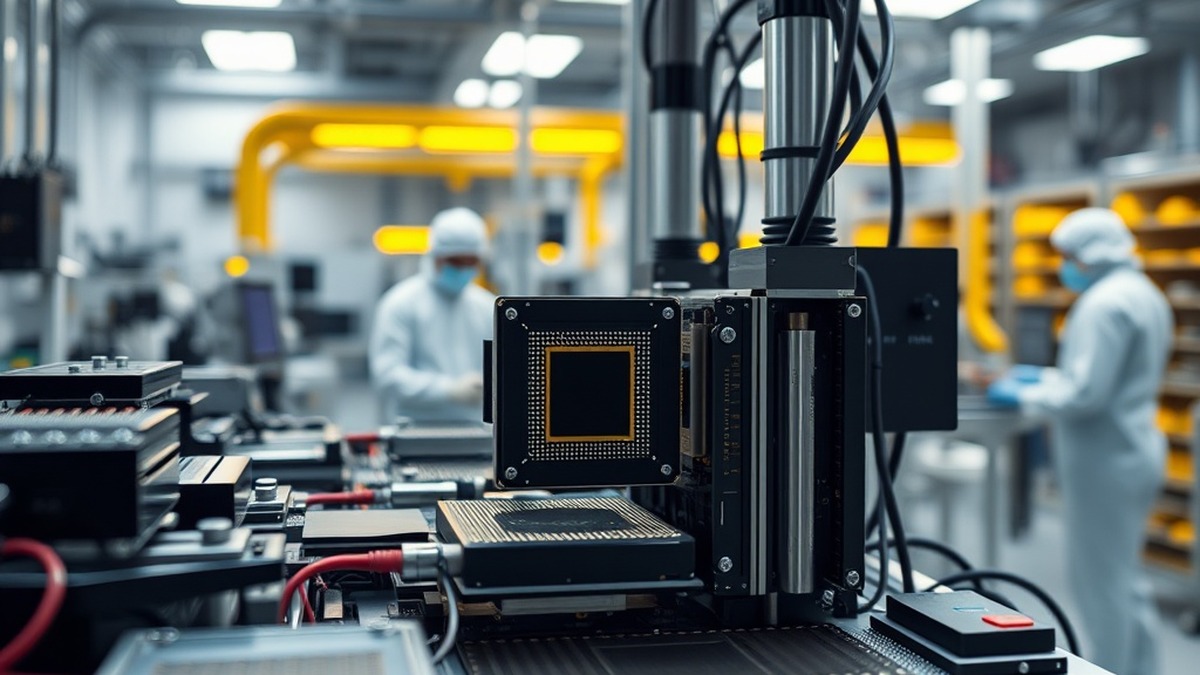
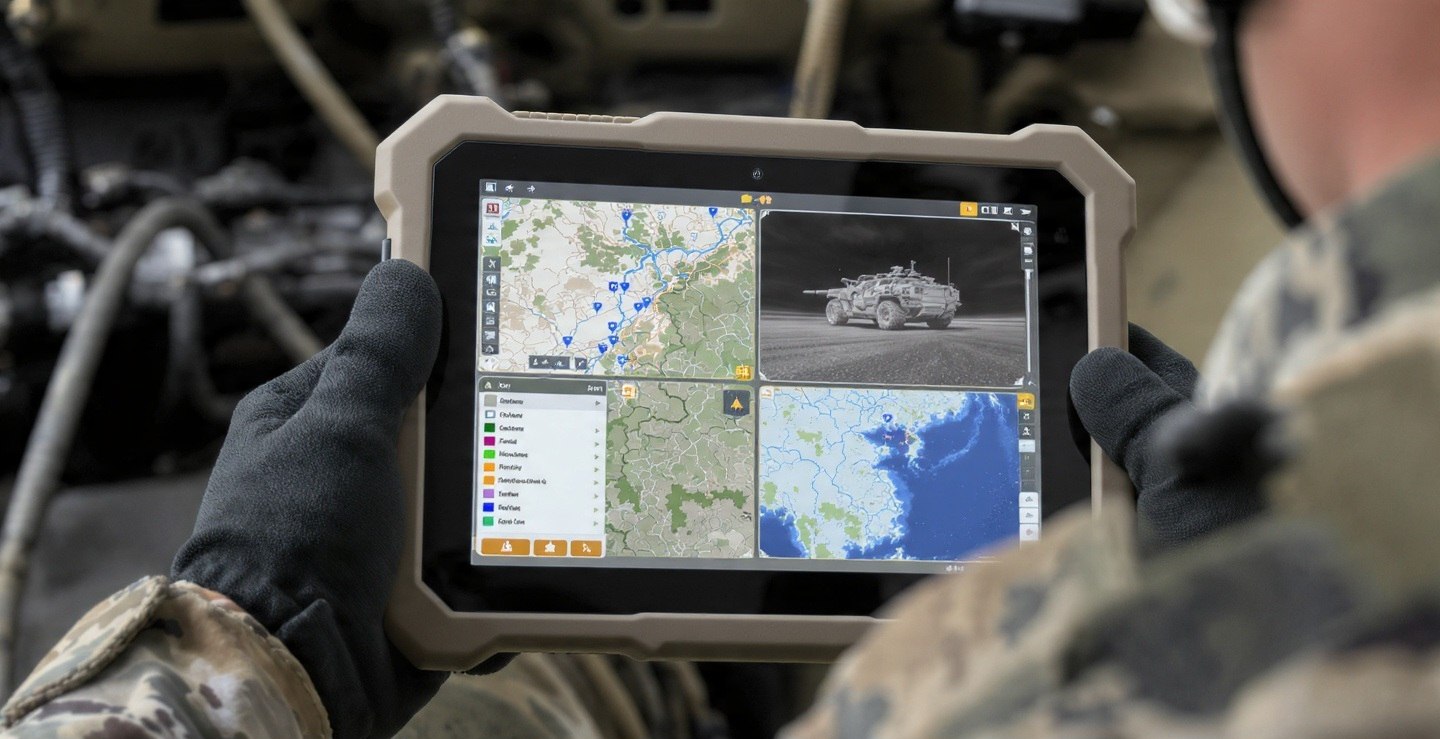
Leonardo DRS doesn't build planes, ships, or tanks. They build the stuff inside them — the thermal imaging sensors that let Apache pilots see through smoke and dust, the electronic warfare suites that protect Navy destroyers from coordinated missile swarms, the advanced computing networks that tie a submarine's combat systems directly to its weapons. They're a pure-play defense electronics company, and the Pentagon cannot field a major platform without them.
The numbers back this thesis hard. Revenue hit $3.648 billion in FY2025, up 12.8% year-over-year. That's the third straight year of double-digit growth — FY2023 at $2.826 billion, FY2024 at $3.234 billion, FY2025 clearing $3.648 billion. Net income jumped 30.5% to $278 million. And the most important number in this entire story: backlog sits at $8.382 billion as of March 2026. That's more than two years of locked-in revenue already under contract, fully funded by the Pentagon and NATO allies. This isn't a forecast. It isn't a projection. It's revenue that's already been booked.
And yet this stock trades at 30x forward earnings. Let that sink in for a second. Palantir trades at 62x forward. CrowdStrike at 124x. Even boring old RTX trades at 26x. DRS at 30x with 71.5% insider ownership, an ultra-low beta of 0.19, and revenue that's grown nearly 30% in two years? That math only makes sense if you haven't looked at the company at all.
Here's what separates DRS from the primes they supply. Lockheed, RTX, Northrop — they compete for the same prime contracts, the same headlines, the same budget dollars. Whoever loses that fight, DRS wins anyway. Because DRS thermal sensors go on the F-35 regardless of which support contractor gets the call. DRS electronics power the Columbia-class submarine no matter what else gets canceled. They're the picks-and-shovels bet on defense — except they make the pick, the shovel, and the handle.
The structural demand picture is genuinely absurd. NATO countries are racing toward 3.5% GDP defense spending targets. The Pacific theater buildup means more submarines, more destroyers, more sensors and electronic warfare systems than at any point since the Reagan-era naval expansion. Electronic warfare — DRS's core competency — is the fastest-growing segment of defense spending because every adversary now fields drones, and every drone needs to be jammed, spoofed, or destroyed by precisely the kind of countermeasures DRS builds.
Analysts are on board. Eight buys, two holds, zero sells across the coverage universe. Mean price target of $52.90 — 21% upside from the current $43.72. Short interest at just 1.35% of float. This isn't a controversial stock. It's an invisible one.
The ownership structure deserves more attention than it gets. Leonardo S.p.A., the Italian aerospace and defense giant, owns 71.5% of the company. That means management answers to a majority owner that operates on a time horizon of decades, not quarters. No activist hedge fund pushing for a spin-off. No short-term pressure to juice the next earnings call with buybacks. This is a slow, grinding compounder operating in the most defense-friendly macro environment since the 1980s.
The risk? Trailing P/E of 40x isn't cheap on an absolute basis. If global defense spending peaks or geopolitical tensions ease unexpectedly, DRS would rerate lower alongside the whole sector — and small-cap defense gets hit harder than primes in a rotation. But with $8.4 billion in backlog, rising NATO budgets locked in through at least 2030, and a Pacific theater that demands more electronics on more platforms every single year, that peak doesn't look close.
Most retail investors will miss DRS because it doesn't have Palantir's narrative sex appeal or Lockheed's brand recognition. It doesn't sponsor conferences or court the meme crowd. It just quietly supplies the backbone of America's defense infrastructure — sensors that see in the dark, electronics that protect ships from invisible threats, computers that process battlefield data at the edge of conflict. And sometimes the best investments are the ones boring enough that nobody bothers to look until it's too late.
Disclosure: The Signal holds no position in DRS. Positions may change. This is not financial advice.