Sixty-five percent off its highs. Forward P/E of 44. A balance sheet with nearly $1.5 billion in cash and almost no debt. And 19 analysts covering it — 16 of them saying buy, three saying hold, and zero saying sell. That's Kratos Defense & Security Solutions right now, and if you've been paying attention to where the Pentagon is actually putting its money, this might be the most interesting risk-reward setup in defense.
Here's why that matters.
The Air Force just finished its Collaborative Combat Aircraft source selection — the program that will field hundreds, possibly thousands, of autonomous fighter drones to fly alongside manned jets like the F-35. The whole concept is built around the idea that future air combat isn't a pilot alone in a cockpit anymore. It's a pilot leading a wolfpack of attritable unmanned aircraft that cost a fraction of what an F-35 costs and can be expended without losing a human life.
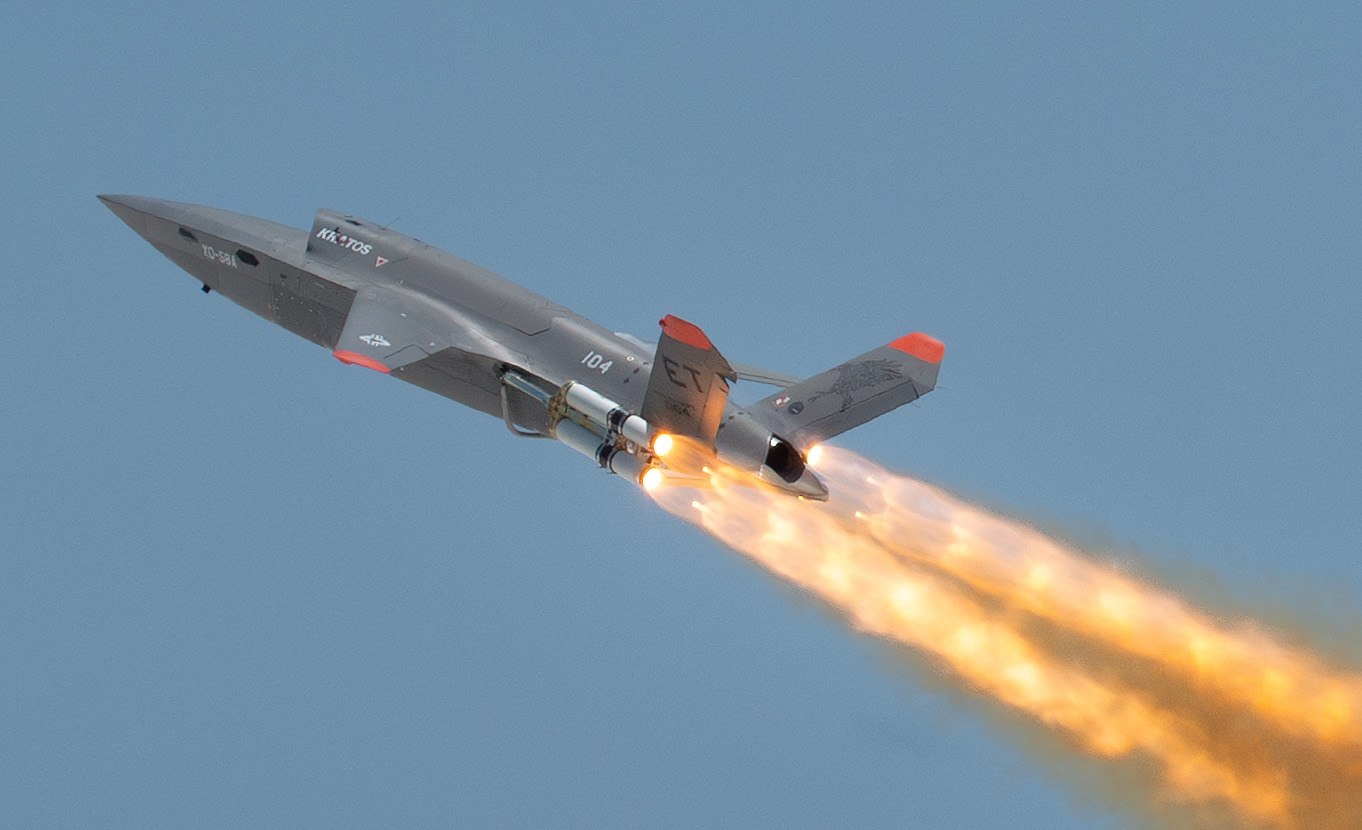
Kratos built the prototype that started this entire conversation. The XQ-58A Valkyrie — a stealthy, runway-independent combat UAV that first flew back in 2019 — is the direct ancestor of what the Air Force and Marine Corps now want in fleet volumes. The Marines already flew their first Valkyrie mission this year. The Air Force wants a production contract worth potentially $5.7 billion over the life of the program.
And that's just one program.
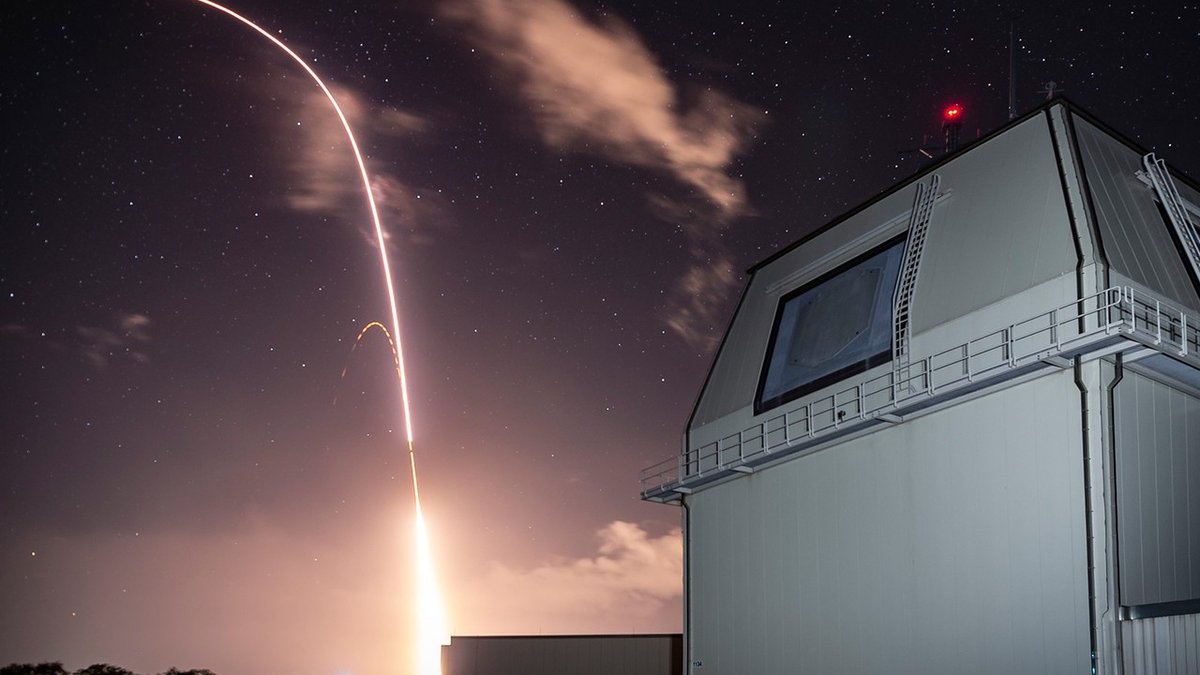
Kratos also builds the BQM-177A, a supersonic target drone that the Navy uses to test whether their missile defense systems actually work. They're building the Mojave, a turbofan engine powering a next-generation cruise missile. They're doing hypersonic test platforms. Almost everything they touch is in the autonomous, attritable, expendable category — the exact hardware the Department of Defense is trying to buy in volume.
The numbers back the thesis. FY2025 revenue came in at $1.35 billion, up 18 percent from the prior year. In the most recent quarter alone, they delivered $371 million — a 23 percent jump year-over-year. Operating margins are thin at under 2 percent, which is the trade you make when you're ramping capacity for programs that haven't yet hit full-rate production. The margin story gets interesting once Valkyrie and CCA move from low-rate initial production into volume buys.
What's wild is the balance sheet. $1.46 billion in cash against $185 million in total debt. That's a net cash position most companies twice this size can't touch. They can fund the production ramp, take on new programs, and potentially make acquisitions without diluting anyone.
And then there's the latest move — a partnership announced June 26 with Elroy Air, an autonomous cargo drone company that's going public. Kratos becomes their exclusive U.S. manufacturer, which means every autonomous cargo drone Elroy sells to the military or commercial logistics market rolls off a Kratos production line. It's a second revenue stream layered on top of the defense contracts, built on the same core capability of building drones at scale.
The bear case is simple: margins. Kratos is running at 1.8 percent operating margin while legacy primes like Lockheed and Northrop operate at 10 to 14 percent. If this company can't scale production efficiently or if CCA gets delayed — which defense programs do all the time — the thesis takes a hit. The stock already reflects a lot of skepticism. It's trading near its 52-week low after a brutal selloff.
But here's the thing about where the stock trades versus where the business is heading. The CCA program isn't a maybe anymore. The Air Force picked its vendors. The Marines are already flying the prototype. NATO members across Europe are scrambling to field autonomous systems faster than they planned. The structural tailwind hasn't disappeared — it's accelerating.
If you believe the future of combat involves swarms of autonomous drones flying alongside manned fighters, and you believe that trend is going to define defense spending for the next decade, then a company with the hardware, the government relationships, the cash, and the analyst backing at 65 percent below its highs is the kind of setup that either makes you a genius or makes you patient. Either way, the thesis hasn't broken. The stock price just forgot about it.
Disclosure: The Signal holds no position in KTOS. Positions may change. This is not financial advice.